


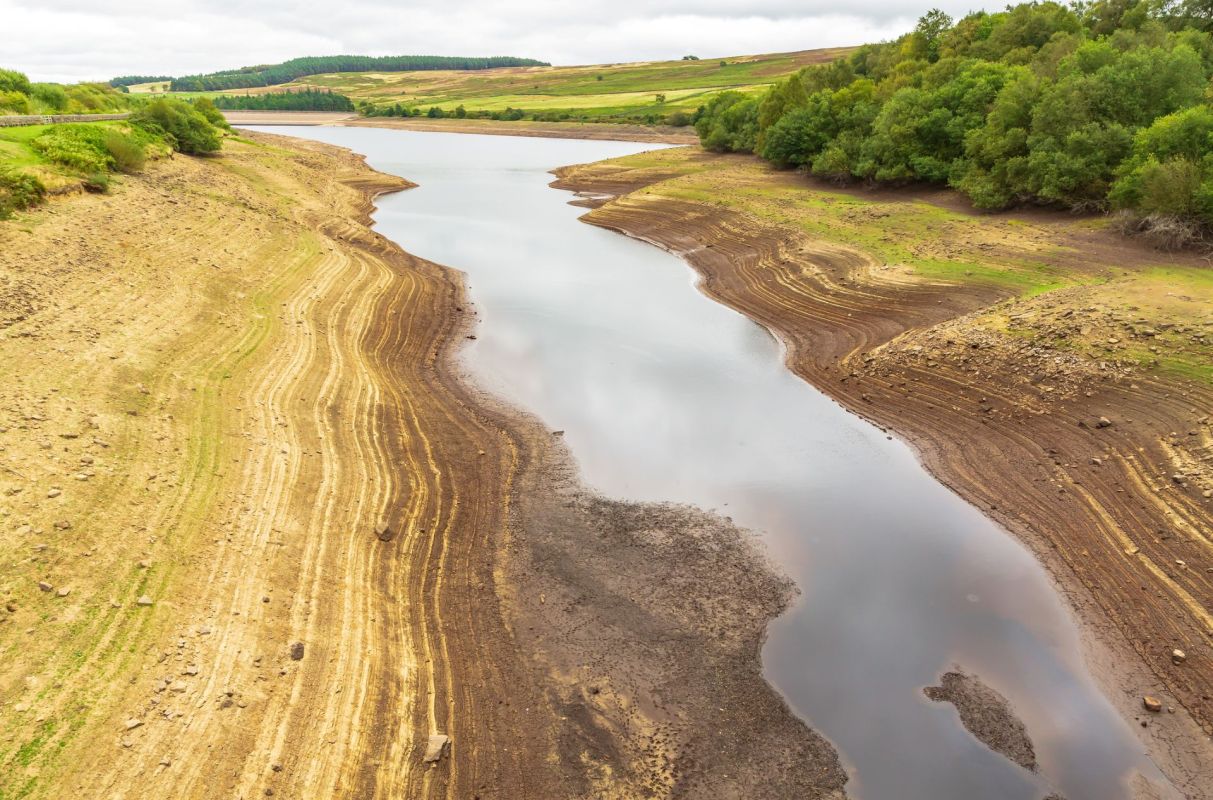
A new global assessment found that 2025 was one of the driest years on record. Rivers worldwide were among their driest in more than three decades, while freshwater stored in soils, lakes, groundwater, snow, ice, and plants fell far below normal levels.
According to The Guardian, the World Meteorological Organization's review of the global water cycle found that terrestrial water storage in 2025 was 42% below the global norm, highlighting increasing strain on freshwater resources.
Here's what to know
Across river basins worldwide, 36% of the area recorded below or well-below-normal flows in 2025, while 21% saw above or much-above-normal flows. Only about a third of the world's rivers stayed within the normal range during that year, which was also one of the warmest on record.
Using observed weather data to run 13 global hydrological models, the report also pointed to a trend where rivers with "normal" flows were at their fewest since 1991.
Glacier losses added to the picture. All 19 of the world's major glacial regions lost ice for a fourth straight year, and in 2025 alone, glaciers shed about 441 billion U.S. tons (400 gigatons) of ice, enough to raise global sea levels by 0.04 inches (1.1 millimeters).
More background
Water stored underground, in snowpack, in lakes, and in soil acts as a buffer during dry spells, helping sustain farms, drinking water supplies, ecosystems, and hydropower. When that reserve shrinks, communities have less protection against future shocks.
TCD Picks » Quince Spotlight
💡These best-sellers from Quince deliver affordable, sustainable luxury for all




Worsening extreme weather disasters also put lives and livelihoods at risk. Severe drought can damage crops, drive up food prices, worsen air quality through wildfire smoke, and strain drinking-water systems. Flash floods can destroy homes, roads, and hospitals, spread contamination, and disrupt local businesses. Together, these impacts threaten public health, community safety, and economic stability.
The World Meteorological Organization said the climate crisis is making the water cycle more erratic and intensifying rapid swings between wet and dry extremes, often called "weather whiplash." That can leave one region dealing with dangerous shortages even as another is hit by destructive flooding.
The effects can include higher utility bills, insurance pressures, food supply disruptions, and rising risks to homes and infrastructure.
What's being done?
Solutions include protecting watersheds, restoring wetlands, improving irrigation efficiency, modernizing water infrastructure, and cutting the planet-warming pollution that is intensifying heat, drought, and heavy rainfall.
Communities can also benefit from stronger flood defenses, updated drought planning, and better water-use policies that reflect how variable supplies have become. These steps can reduce harm and make towns and cities more resilient.
At the household level, people can prepare by conserving water, planting drought-tolerant landscaping, checking local flood risk, and making homes more resilient to extreme heat and storms.
Celeste Saulo, Secretary-General of the World Meteorological Organization, said: "We are depleting that savings account. Global terrestrial water storage has shown a declining trend since 2014-16 — a persistent, decade-long signal."

Get TCD's free newsletters for easy tips, smart advice, and a chance to earn $5,000 toward home upgrades. To see more stories like this one, change your Google preferences here.






