


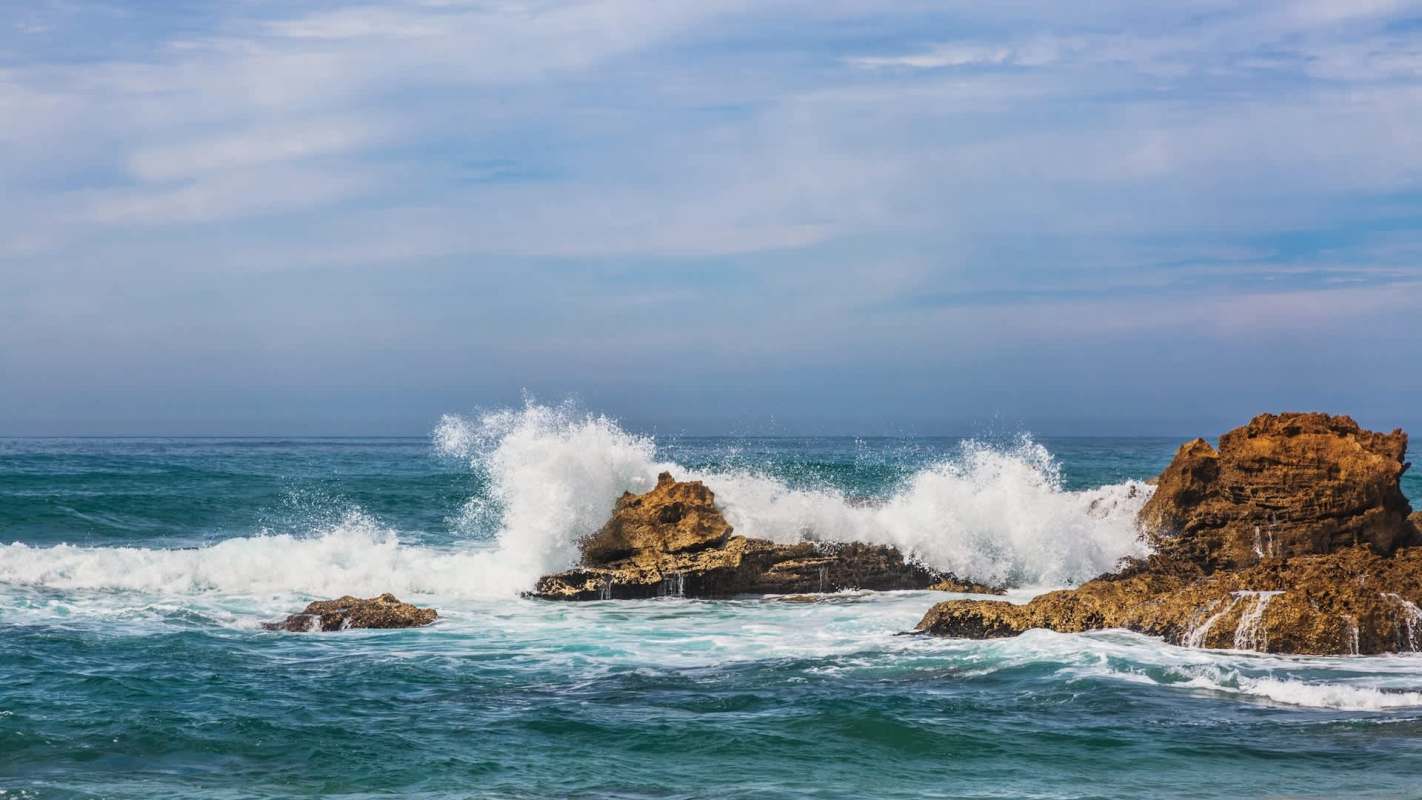
The planet's oceans have crossed a troubling threshold. Daily global average sea surface temperatures reached 70 degrees Fahrenheit (21.1 degrees Celsius), the highest reading on record.
Scientists are focused on the date as much as the reading. The world's oceans are normally warmest in March and April, making an August record unusual.
Here's what to know
According to Copernicus, August 22 set a new Climate Pulse high for daily global average sea surface temperature at 70°F (21.1°C), edging past the 69.96°F (21.09°C) record set in March 2024. Climate Pulse uses data from 1979 onward, when satellite observations made the record more reliable.
The new mark aligns with a broader trend of ocean warming driven by human-caused climate change, with an emerging El Niño in the tropical Pacific adding extra warmth.
@museumofscience Scientists just recorded the highest sea surface temperature ever. 🌊🌡️ Copernicus Climate Change Service clocked a global average of 21.1°C (70°F), beating the previous single-day record of 21.09°C set in 2024. It's especially alarming because sea surface temps usually peak in March and April, not August. Warmer oceans absorb less CO2, which can fuel more extreme weather, and scientists suspect a developing super El Niño may be part of what's driving it. #ElNiño #Weather #Environment #Earth #Science ♬ original sound - Museum of Science
August stands out because the global ocean usually reaches its warmest point after the austral summer, not in August. The new reading also topped the previous August peak, 69.76°F (20.98°C), recorded in 2023.
Samantha Burgess, Strategic Lead for Climate at ECMWF, described the record as "another clear signal of an ocean under growing stress."
TCD Picks » Quince Spotlight
💡These best-sellers from Quince deliver affordable, sustainable luxury for all




More background
Forecasts indicate El Niño is likely to gain strength. The World Meteorological Organization says it is expected to intensify, and the Copernicus seasonal forecasting system suggests it may reach levels not seen for several decades. That outlook comes after months in 2026 when sea surface temperatures across the extratropical ocean, from 60°S to 60°N, repeatedly set records or came close to them.
Fisheries and aquaculture can be disrupted as those ocean changes move through marine systems. Hotter seas also transfer more heat and moisture into the atmosphere, boosting the potential for heavier rainfall and some stronger storm systems.
Burgess also warned, "The number of marine heatwave days globally has more than tripled since the early 1990s, putting increasing pressure on marine ecosystems and the communities that depend on them."
What's being done?
At ECMWF, which produces the ERA5 reanalysis used by Copernicus, scientists are monitoring whether this record-breaking daily temperature is a brief spike or part of a longer-lasting pattern. Daily sea surface temperature updates are being tracked through the Climate Pulse tool.
That monitoring is helping researchers track how El Niño and warming are interacting in real time.
Slowing the warming trend means cutting the pollution heating the atmosphere and oceans.
As Burgess put it, "El Niño is adding heat to the system, but it is doing so on top of decades of human-driven warming."
Where can I learn more?
These ocean-temperature records are more than milestones. They're already showing up in regional seas, coral reefs, and marine food webs.
• In the Mediterranean, surface warming near all-time records is raising broader climate alarms.
• Off Australia, scorching ocean temperatures could trigger a marine disaster on a black-summer scale.
• Marine scientists warn unchecked climate change threatens coral resilience and future reef survival.
That broader context is why a single global temperature record matters beyond the daily chart. The excess heat flagged by Copernicus is already reshaping ecosystems and raising risks for coastal communities.

Get TCD's free newsletters for easy tips, smart advice, and a chance to earn $5,000 toward home upgrades. To see more stories like this one, change your Google preferences here.






