


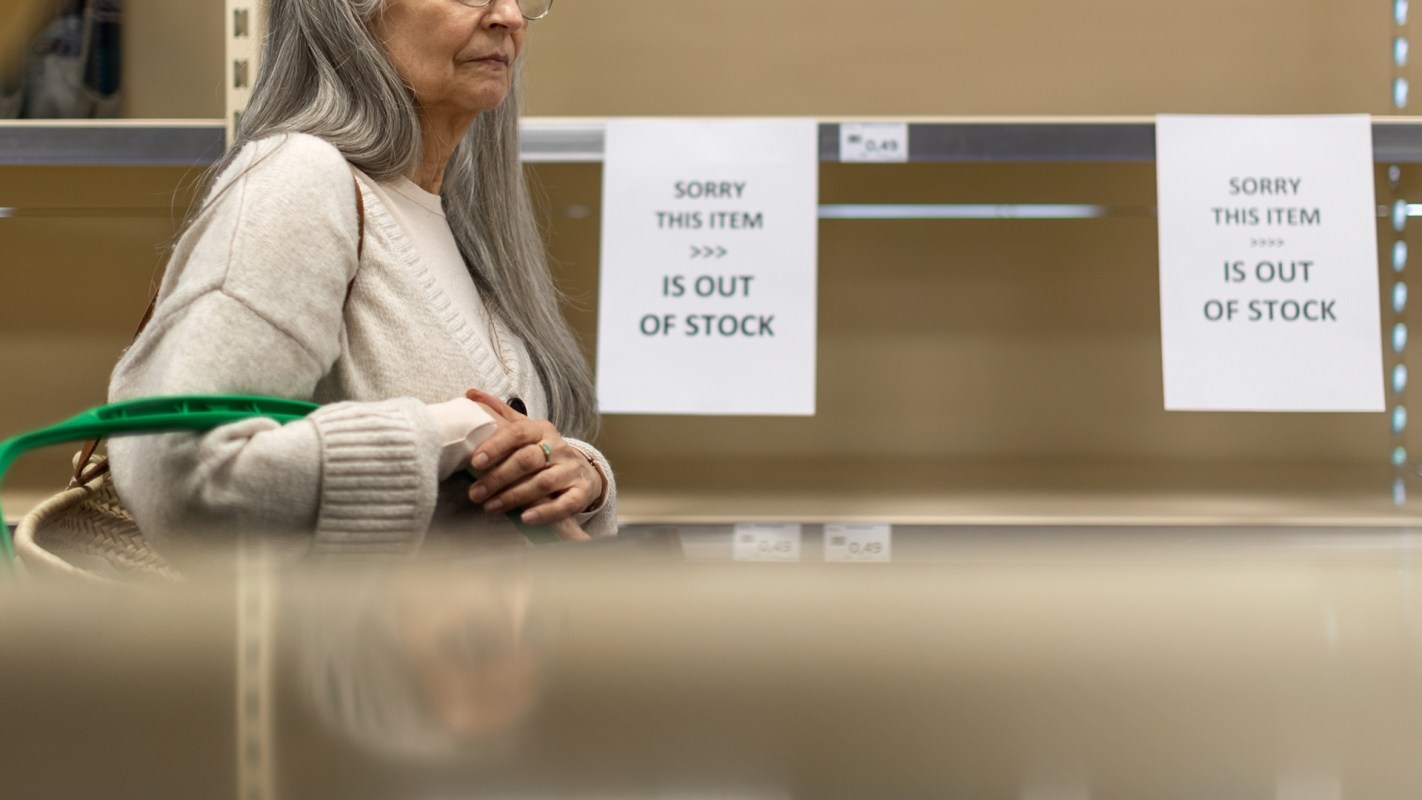
Supermarkets have run out of water, supply chains have collapsed, and temperatures have reached 113 degrees Fahrenheit.
While this emergency is simulated, about 180 organizations in Germany are preparing for the challenges prolonged drought and extreme heat could bring, according to DW.
Here's what to know
The drill involves more than 60 German state ministries and nearly 20 federal authorities.
BBK, Germany's civil protection authority, brought them together for LÜKEX 26, a cross-government exercise.
Food supplies are strained, and emergency services face mounting pressure in the simulated Germany of July 20, 2027, where weeks of extreme heat have also lowered river levels.
For participants such as the German Red Cross and fellow aid organization Malteser, those challenges were disclosed only after the exercise started.
TCD Picks » Quince Spotlight
💡These best-sellers from Quince deliver affordable, sustainable luxury for all




Germany's weather service and the Federal Institute of Hydrology contributed input to the scenario BBK developed, along with other ministries.
Sharply rising swimming pool admission prices are another challenge in the simulation, said Malteser spokesperson Patrick Pöhler, who is participating in the drill.
Participants also face disrupted deliveries and supermarket shelves emptied of water.
More background
When heavy snowfall brought down power lines in 2005, officials could draw on LÜKEX's first exercise in 2004, which had simulated a severe winter and widespread electricity failure.
LÜKEX has tested Germany's crisis response for more than two decades.
That emergency left 250,000 residents in North Rhine-Westphalia's Münsterland region without power for days, marking the country's worst postwar power outage.
The rehearsal identified potential response bottlenecks and clarified the contacts officials would need.
A cyberattack on government operations was the focus in 2023.
Across other exercises, the threats have ranged from gas shortages in southern Germany and storm-driven flooding in the north to biological health threats, pandemic influenza, and terrorism.
What's being done?
In Hamburg, participants are practicing how to manage disruptions to key transportation routes that hinder deliveries of drinking water and food.
They must also respond to disinformation attacks that fuel public fear.
Observers track the organizations' responses to identify what works and where internal structures, workflows, and decision-making need improvement.
"We are explicitly encouraged to make mistakes," Pöhler explained, adding that the exercise reveals weaknesses that can then be addressed.
BBK spokesperson Katharina Böcker said the lessons inform civil protection preparedness, planning, and cooperation.
A preliminary report outlining the main findings and recommendations is scheduled for the first quarter of 2027, with a full evaluation to follow in the third quarter.
For Pöhler, ensuring that care services can continue operating is particularly important.
"Emergency services and elderly care are areas that require particular attention," he told DW. "The increasingly extreme summers of recent years have shown how severely heat can affect staffing levels and operational capacity."
Where can I learn more?
Water shortages like those in Germany's simulation are already affecting communities across Europe. These stories cover Berlin's backup pumps, German farmers' drought losses, and a water emergency in Moldova.
• Berlin's century-old backup hand pumps may not work when tap water stops flowing.
• German farmers face mounting drought losses as extreme heat and scant rainfall become routine.
• Moldova imposed a 60-day emergency as drought and conflicts strained water and energy supplies.

Get TCD's free newsletters for easy tips, smart advice, and a chance to earn $5,000 toward home upgrades. To see more stories like this one, change your Google preferences here.






