


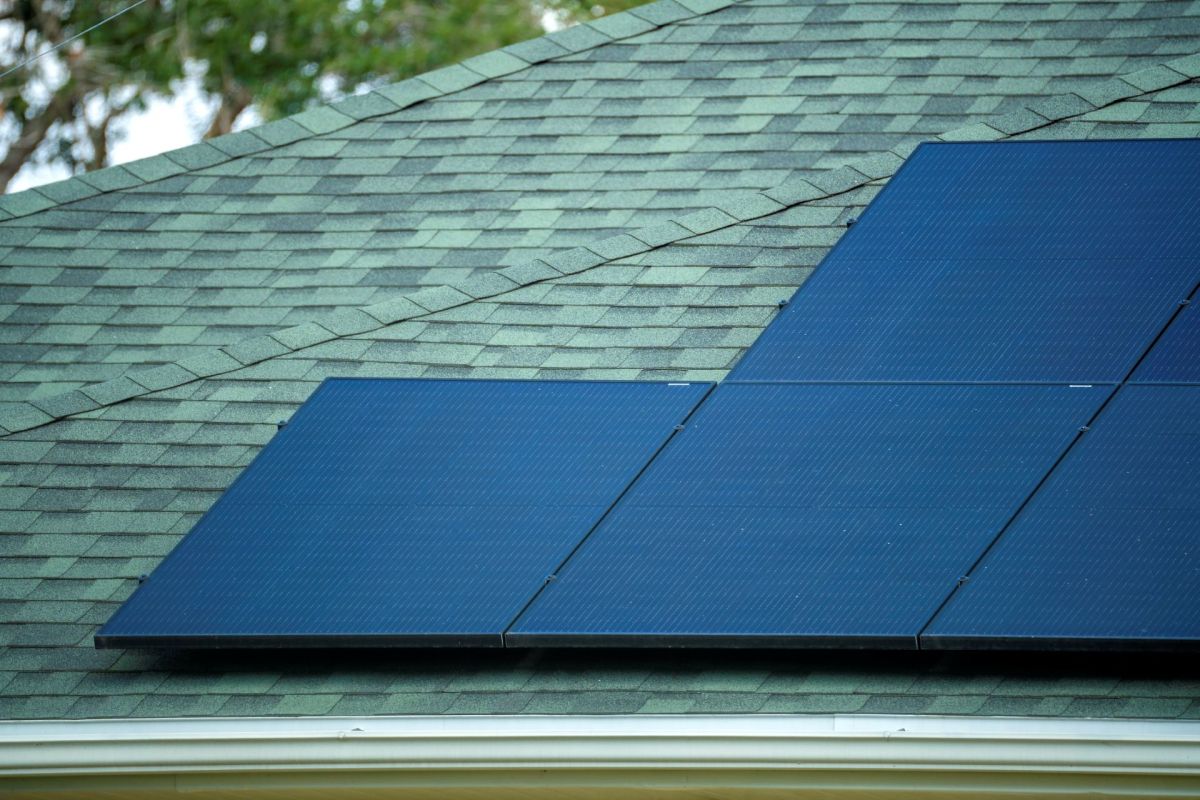
A Georgia homeowner preparing for a direct Tesla solar installation got a flood of practical advice after turning to r/TeslaSolar for last-minute tips — and much of it focused on the small installation details that can prevent headaches later.
For people investing in rooftop panels and battery backup, that kind of checklist can matter just as much as the equipment itself.
Here's what to know
Describing the project, the original poster wrote, "24 panels and a PW3 will be installed. Any suggestions on what I should keep an eye out for during installation? I know I have to wait for an inspection and PTO but anything I should ask before they leave? It is a direct Tesla job."
Recurring suggestions included keeping a copy of the approved plans, checking that no wiring is left resting on the roof, and saving identifying information from the Powerwall before they close it up.
One commenter advised, "Get a picture of the vehicle wifi information inside the powerwall before they close it up. You might not need it later but it's better to have it on file in case you do."
Later in the thread, the homeowner added, "So update… they are bringing 25 panels rated at 420w each. The panels all go directly to the PW3 but a separate standalone inverter is also being used because GA power restricts 10kw ac for their buyback. Any advice?"
In response, another commenter said the arrangement should already be reflected in "the engineering docs that were submitted for permit."
More background
Another commenter emphasized that commissioning does not always mean a system can begin operating right away, writing, "Depends on your state/utility provider if your system goes live after commissioning."
Save $10,000 on solar panels without even sharing your phone number Want to go solar but not sure who to trust? EnergySage has your back with free and transparent quotes from fully vetted providers in your area. To get started, just answer a few questions about your home — no phone number required. Within a day or two, EnergySage will email you the best options for your needs, and their expert advisers can help you compare quotes and pick a winner. Solar panels can save you more than $50k over their 25-year lifespan, and EnergySage can help you save as much as $10k on installation. Which begs the question — isn't that worth an email or two? |

Even after the equipment is installed, inspections, permission to operate, or utility-side upgrades can delay when homeowners start seeing lower electric bills.
One person wrote, "Mine was just installed in NorCal and now they are telling me I need a transformer upgrade."
Another said a transformer upgrade on their system "took about 15 months."
Battery storage makes those solar investments more resilient. It can keep essential appliances running during outages, reduce reliance on peak-rate electricity, and help homeowners get more value from the power their panels produce instead of sending it all back to the grid at utility-controlled rates.
Aesthetics came up too. One commenter said concealed conduit can improve the look of the install, but warned that raising the array to accommodate that choice "also makes more room for animals to build nests under the panels."
What can be done?
A practical approach is to gather documentation and visual records: request the plans, confirm the installed setup matches them, and photograph equipment labels, barcodes, and network details.
The discussion also touched on string layout.
One commenter said, "Each MPPT string should have panels facing the same direction."
Another said that asking about "panel count to string configuration" can make it easier to "diagnose if one of the strings is under performing."
It may also help to discuss conduit routing before installation starts. One commenter said running conduit through the attic led to an upcharge, while another said hidden conduit can create a cleaner appearance but may require tradeoffs involving panel height and junction box placement.
As one commenter put it, "Ask for a copy of their plans before they leave. I received a set. Look under the panels and make sure no wires are laying on the roof. They all should be up and secured."
Where can I learn more?
For homeowners comparing notes before a Tesla solar install, it helps to see how Powerwall systems hold up after commissioning, during outages, and through the kinds of utility delays people actually run into.
• Tesla's home battery showed how to prevent a blackout as outage risks keep rising.
• In California, a homeowner said the first major power outage proved the Powerwall's value.
• Homeowners are increasingly weighing next-gen backup alternatives as Tesla's energy dominance faces pressure.

Get TCD's free newsletters for easy tips, smart advice, and a chance to earn $5,000 toward home upgrades. To see more stories like this one, change your Google preferences here.






