


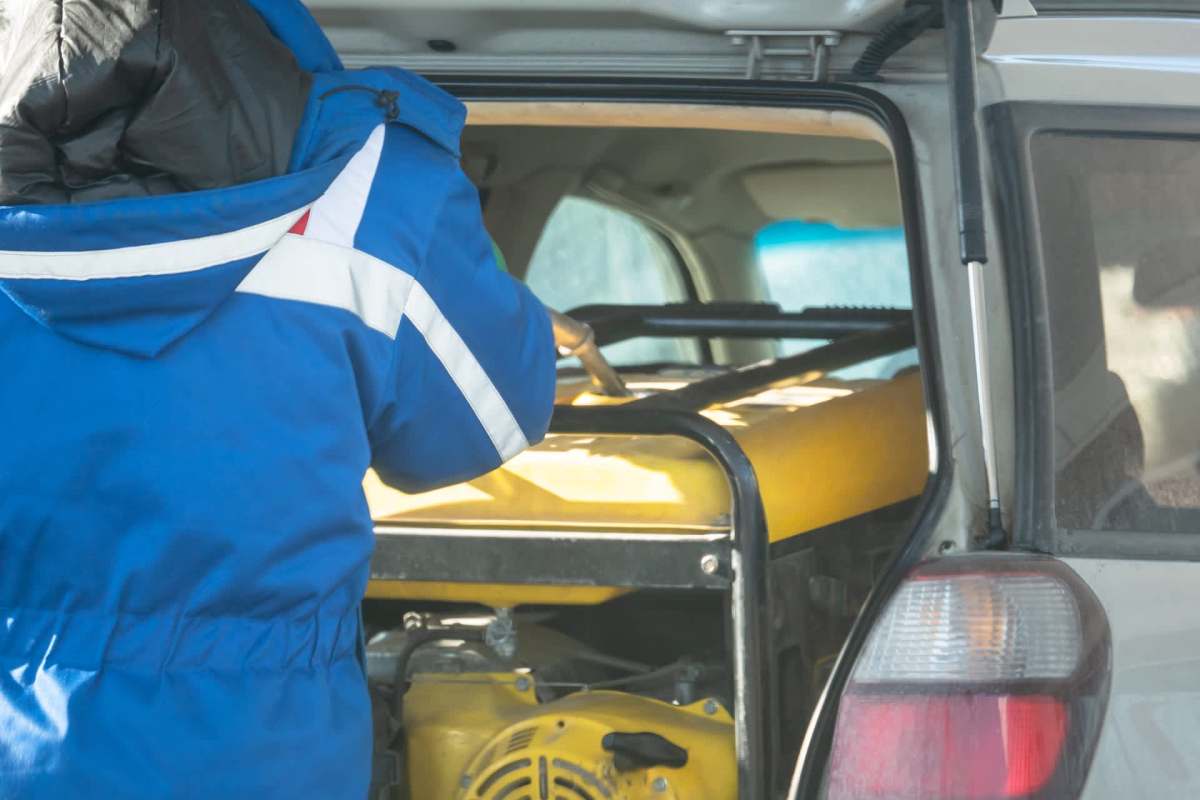
At work on a day that reached about 90 degrees, a driver said they popped open the trunk and were hit with a gasoline odor, which is when they realized the generator inside still had fuel.
In a Reddit thread, the original poster asked, "Is this super dangerous? Like is there a carbon monoxide or toxic fume risk?"
What happened?
People replying to the post said the immediate issue was fuel fumes rather than carbon monoxide.
As one user explained, "The dangerous gases come from running the gen. Right now you're dealing with gasoline vapors."
One commenter wrote, "Carbon monoxide is only produced when you run the generator, so you aren't at risk for anything immediately deadly."
They said the car might keep smelling like gas for a while, particularly if any fuel had escaped.
The discussion took a more urgent turn after the poster mentioned the generator had been covered with plastic bags.
Commenters warned that keeping vapors trapped like that, along with the possibility of static electricity, could create a flash hazard, and the poster responded, "Woah okay — I just ran out and took that off."
Save $10,000 on solar panels without even sharing your phone number Want to go solar but not sure who to trust? EnergySage has your back with free and transparent quotes from fully vetted providers that can help you save as much as $10k on installation. To get started, just answer a few questions about your home — no phone number required. Within a day or two, EnergySage will email you the best local options for your needs, and their expert advisers can help you compare quotes and pick a winner. |

Overall, commenters urged the driver to ventilate the vehicle, look for any damp spots that could indicate a leak, and move the generator out of the car and into an open space.
Why does it matter?
A generator that is not running will not produce carbon monoxide, but fuel vapors can still pose a major danger.
Gasoline evaporates easily in the heat, and those fumes can be toxic to breathe in while also creating a fire or explosion hazard if they reach an ignition source.
One mistake can lead to damage far beyond the generator itself — including a ruined vehicle, destroyed belongings, medical bills, or worse.
More From EnergySage
💡Go deep on the latest news and trends shaping the residential solar landscape




Even without a fire, gasoline fumes can trigger dizziness, headaches, and nausea.
Going solar is one of the best ways to save money on home energy, and it's worth exploring EnergySage's free tools to get quick solar installation estimates and compare quotes.
What can I do?
Before transporting a generator, the safest approach is to follow the manufacturer's guidance, keep it upright, and remove the fuel so it can be moved in a well-ventilated area.
If you notice a gasoline smell, leave the vehicle, air it out, and avoid sparks, flames, or even electrical switches until the fumes have dissipated; a fueled generator should not be left in a closed car or trunk.
EnergySage's free services can also be useful for anyone looking to rethink home power needs before the next outage. You can also use EnergySage's solar map, which shows the average cost of a home solar panel system on a state-by-state level, along with solar incentives in each state.
Together, these resources can help readers get the best price for rooftop solar panels and access available incentives.
Adding battery storage to a solar setup is one of the best ways to protect your home during outages, save on energy costs, and go off-grid. It can also help reduce reliance on gas-powered backup equipment that has to be stored and transported carefully.
You can explore EnergySage's free tools for information about home battery storage options, including competitive installation estimates.

Get TCD's free newsletters for easy tips, smart advice, and a chance to earn $5,000 toward home upgrades. To see more stories like this one, change your Google preferences here.






