


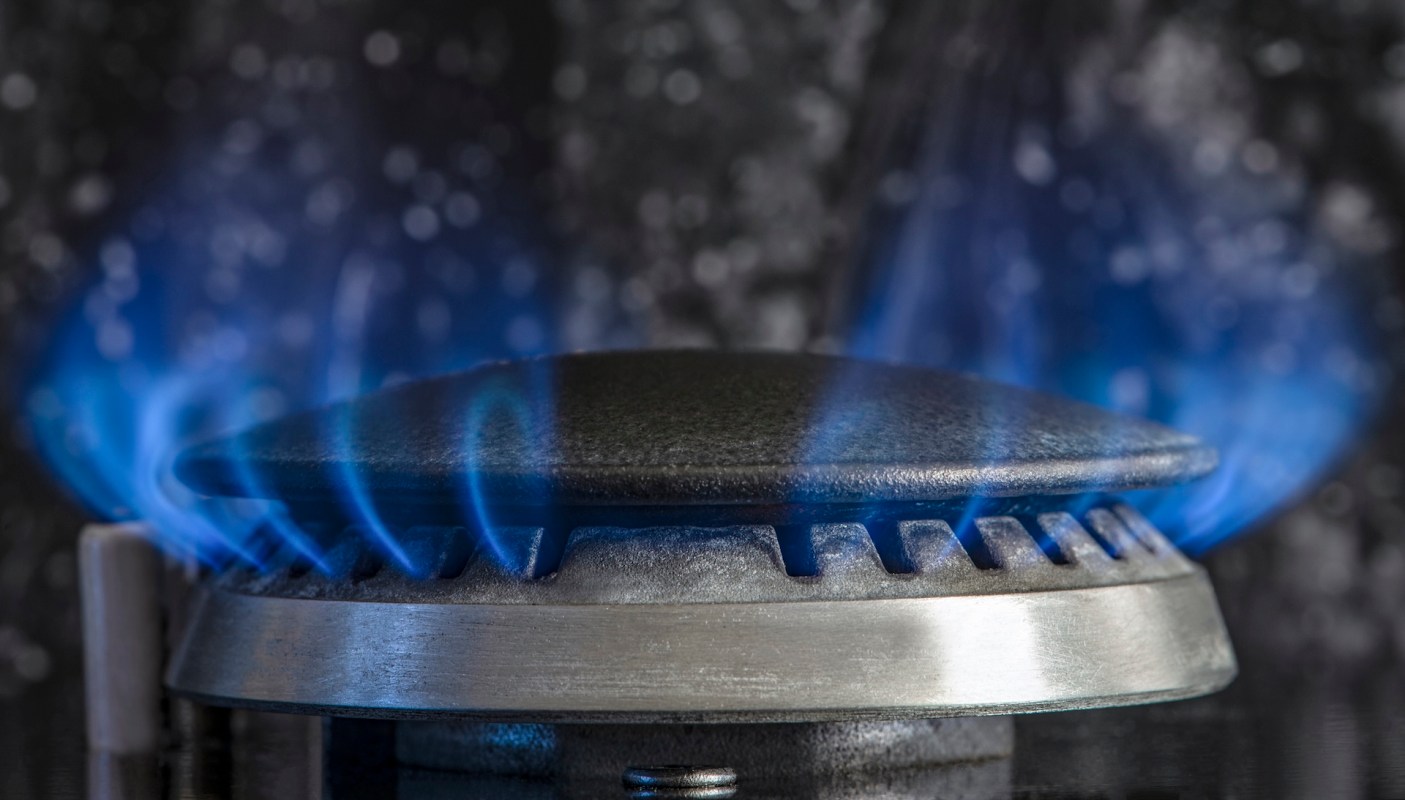
Gas stoves can release dangerous chemicals into residents' kitchens and homes, and a study has confirmed that a huge percentage of these appliances are leaking the carcinogen benzene.
What's happening?
Researchers investigated whether residential gas stoves across several European nations produce benzene. The findings were published in Environmental Research Letters, a peer-reviewed journal.
The scientists found that about two in five stoves examined across the Netherlands, the U.K., and Italy leaked even while turned off. When the stoves leaked, they all released hazardous air pollutants.
According to the study, "Hexane, benzene, and toluene were detected in 100% of samples."
These leaks present potential dangers that are equivalent to or worse than health risks in homes where cigarette smokers live. The World Health Organization noted that there is no safe level of benzene that people can be exposed to due to the chemical's ability to cause blood cancers, such as leukemia.
What else did the study find?
Luckily for Americans, the stoves that were studied appeared to contain benzene levels "substantially elevated compared to North America."
TCD Picks » Quince Spotlight
💡These best-sellers from Quince deliver affordable, sustainable luxury for all




The researchers hypothesized that this is likely because the gas was obtained from specific gas fields in the North Sea that contain higher concentrations of benzene.
However, the scientists also noted that European stoves leak much less frequently compared to American stoves.
What's next?
Researchers concluded that gas leaks often raise alarm because of their potential to release heat-trapping substances into the atmosphere or pose explosion risks at home.
"Framing leaks solely in these terms, however, misses a key risk: leaks can contain benzene at sufficiently high concentrations to exceed health benchmarks," the experts observed.
Alastair Lewis, a professor of chemistry at the University of York who was not associated with the study, commented on the findings, telling Yale Environment 360 that "getting rid of gas appliances and electrifying instead is a clear win for indoor air quality, whether that is avoiding gas leaks or avoiding the combustion products from burning gas in homes."
Thankfully, electric induction stoves are a much safer option that can cook food and boil water as fast as gas alternatives, without the harmful chemicals.

Get TCD's free newsletters for easy tips, smart advice, and a chance to earn $5,000 toward home upgrades. To see more stories like this one, change your Google preferences here.






