


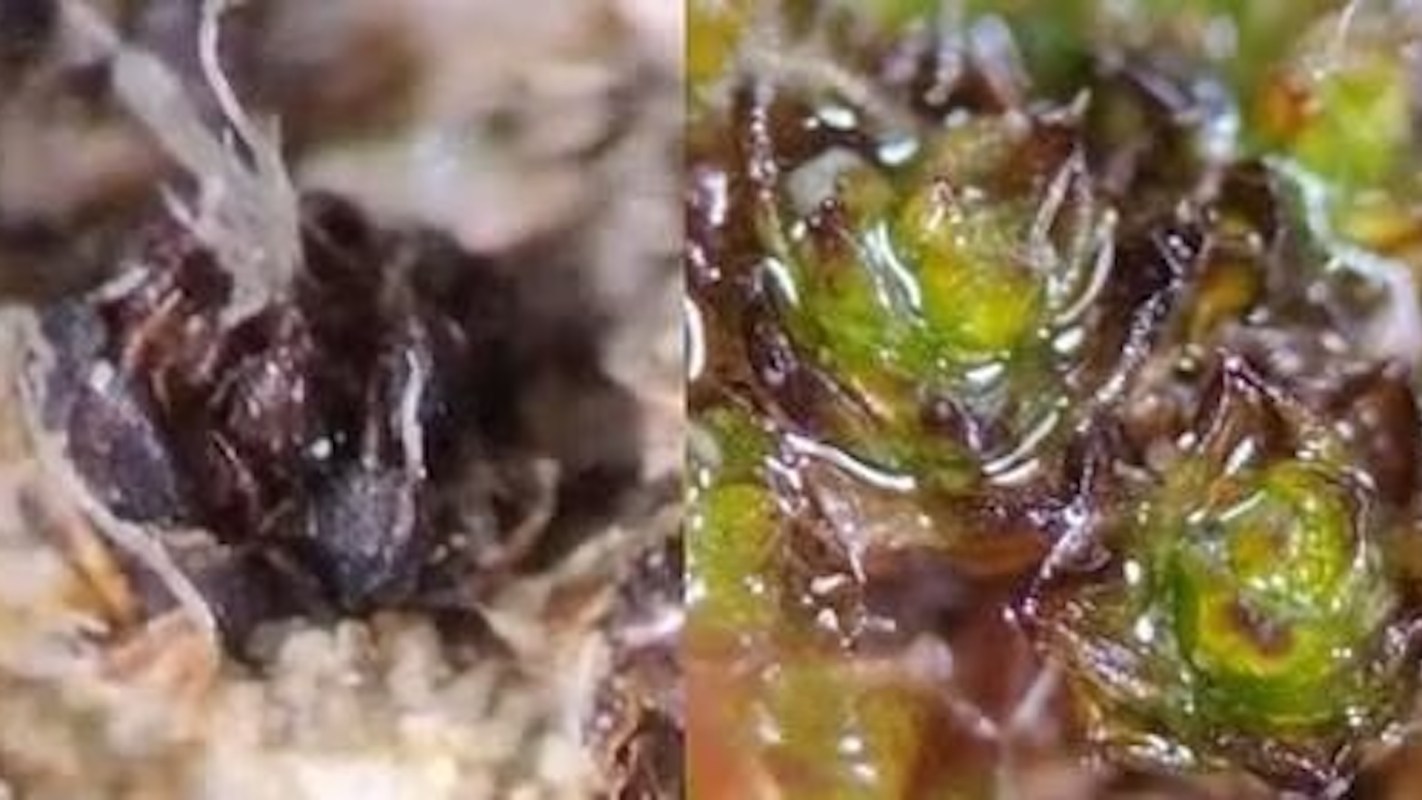
A Californian research team found fungi inside desert moss tissue, a result that could change how scientists think about plant life on land.
According to Discover Wildlife, the implications may reach beyond moss biology. If the association is confirmed as a true symbiosis, it could also help explain how plants first moved from the sea onto land around 470 million years ago.
What's happening?
Researchers at the University of California, Riverside examined moss from several California environments, including biocrusts in the Mojave and Sonoran deserts. They also examined wetter sites and found fungal DNA within the plants. Their findings were published in the journal New Phytologist.
Biocrusts are soil-surface communities made up of organisms such as mosses, lichens, and microbes. The team was investigating whether moss living in harsh climates hosted different internal fungal communities than moss in less extreme conditions.
When the researchers ground up the samples and analyzed them, they found an unexpected type of fungi: mycorrhizal, which is usually dependent on plants, according to Discover Wildlife. That desert moss contained a fungal mix unlike that of mosses from milder climates and unlike the fungi in nearby soil.
"We suspect that certain fungi are more helpful for surviving hotter, drier climates," doctoral researcher Kian Kelly said, per the outlet.
TCD Picks » Quince Spotlight
💡These best-sellers from Quince deliver affordable, sustainable luxury for all




Why does it matter?
In drylands, moss has an ecological importance that far exceeds its size. According to Discover Wildlife, water-limited regions cover about 45% of Earth's land surface, and biocrusts can blanket up to 70% of that area.
Biocrusts help keep soil in place, support biodiversity, and lock away planet-warming carbon. Mosses alone reportedly absorb an estimated 6.4 billion tons of carbon each year. But these ecosystems are vulnerable: Biocrusts could lose up to 39% of their land area over the next 45 years as conditions grow hotter and drier.
If dryland ecosystems decline, the fallout can include erosion and dust, weaker landscape resilience, and less carbon storage. Better insight into how moss survives intense heat and drought could help scientists protect fragile lands that matter to nearby residents, wildlife, and regional climate stability.
If mosses and fungi are partnering, researchers may have to revisit a major assumption about the evolution of land plants.
What's being done?
To find out whether the fungi were genuinely associated with the moss rather than present through contamination, the researchers used microscopy and applied a blue dye that binds specifically to fungi, Discover Wildlife reported.
That examination uncovered branching fungal structures inside moss leaves that resembled the tiny tree-like forms fungi create inside plant roots to exchange nutrients. Because mosses do not have roots, seeing those structures in leaves was striking.
The researchers have not confirmed any nutrient-sharing partnership, so more study is still needed. Even so, the results may direct future work on how dryland mosses withstand harsh conditions and how conservation efforts could better protect biocrust ecosystems as aridity increases.
"The desert is full of things people overlook," Kelly said. "Sometimes, the biggest surprises are the ones growing quietly beneath our feet."

Get TCD's free newsletters for easy tips, smart advice, and a chance to earn $5,000 toward home upgrades. To see more stories like this one, change your Google preferences here.






