


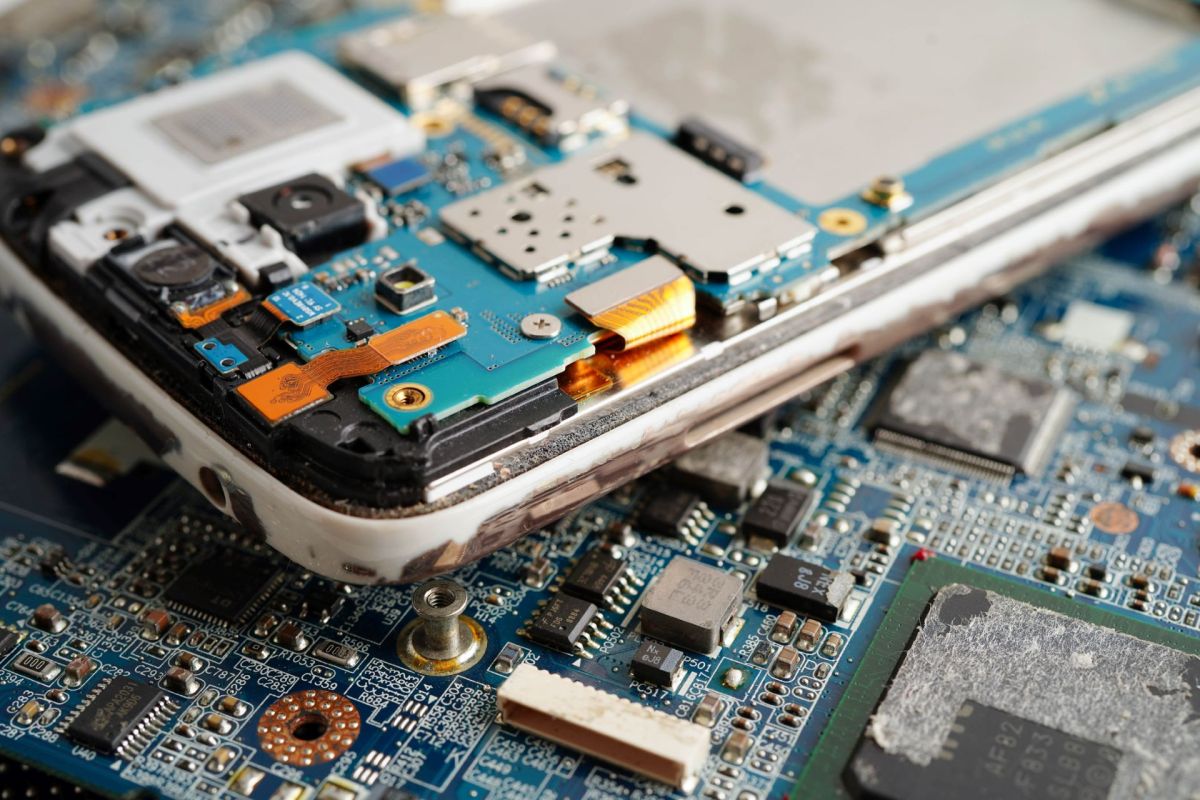
A research team at the Swiss Federal Laboratories for Materials Science and Technology has developed a fully biodegradable printed circuit board using lignocellulose, a natural wood-based material.
This breakthrough could tackle one of the most pressing problems in the electronics industry: the growing mountain of e-waste.
Nearly every device relies on a printed circuit board. These components traditionally use fiber-reinforced epoxy resin — a petroleum-based material that resists recycling. Proper disposal requires energy-intensive processes, making discarded boards a serious environmental challenge.
The new "green" circuit boards replace synthetic substrates with wood-based substrates made from a mixture of cellulose and lignin.
The researchers grind the lignocellulose material into fine fibrils, mix it with water to create a suspension, then remove the water under high pressure to form strong boards. They call this process hornification.
According to the study, published in Scientific Reports, lignocellulose fibrils have excellent mechanical properties, heat resistance, and thermal stability — ensuring that different temperatures won't affect performance.
TCD Picks » Quince Spotlight
💡These best-sellers from Quince deliver affordable, sustainable luxury for all




Under the right conditions, the board can safely decompose, leaving only metal components for recovery. Moreover, fully biodegradable components could greatly shrink the long-term environmental footprint of electronics, addressing the fast-growing e-waste problem.
The U.N. Global E-Waste Monitor reported that e-waste increases by 2.6 million tons each year. Researchers expect global e-waste to reach 82 million tons by 2030, up from 62 million tons in 2022. That same report found that recyclers properly collected and processed only 22.3% of e-waste in 2022.
Based on mass, circuit boards account for about 60% of e-waste, and their epoxy-infused plastic or fiberglass materials function as an "unrecyclable substrate," per a Science report.
This kind of innovation could make electronics more circular and low-impact, cutting landfill waste and lowering the need for raw material extraction. Similar tech, such as using microcapacitors to create more efficient electronic devices and developing new materials for energy storage, points to a greener future.
|
What do you usually do with your old electronics? Click your choice to see results and speak your mind. |
 Store them at home 📦
 In the future, the researchers plan to strengthen the lignocellulose material and use it in other electronic devices. For consumers, this could mean having access to compostable electronics in everyday devices.
Simple actions such as donating or selling old items, turning in electronics for store credit, and using community recycling options can reduce household e-waste.
"Many electronic devices are only in use for a few years before they become obsolete — so it doesn't make sense to manufacture them from new materials that can last for hundreds of years," researcher Thomas Geiger, who led the team, explained.

Join our free newsletter for weekly updates on the latest innovations improving our lives and shaping our future, and don't miss this cool list of easy ways to help yourself while helping the planet.






