


When someone is losing blood, every minute matters.
The U.S. Food and Drug Administration has licensed Ezplaz Freeze Dried Plasma, the first FDA-licensed freeze-dried plasma product in the United States, giving emergency teams access to a plasma product that can be stored at room temperature and prepared for transfusion in just a few minutes.
Here's what to know
Ezplaz Freeze-Dried Plasma is the first freeze-dried plasma product to receive an FDA license in the United States.
According to ScienceAlert, the approval, described in JAMA, could make a lifesaving blood product easier to use when standard frozen plasma cannot be prepared quickly enough.
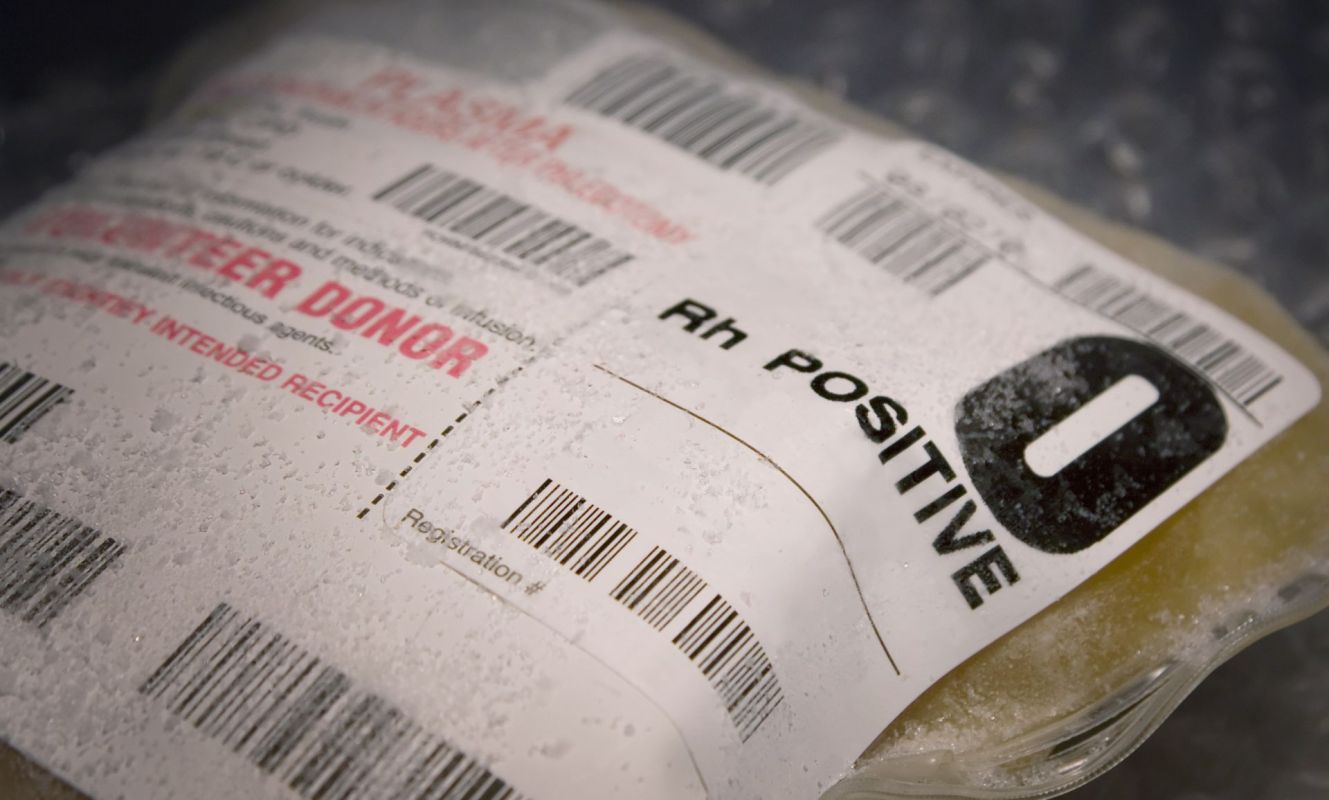
Because conventional plasma must remain frozen and then thawed before transfusion, using it quickly in ambulances, disaster zones, rural communities, and military settings can be difficult.
Ezplaz is made from a single unit of fresh frozen plasma that has been freeze-dried, allowing it to be stored for up to 12 months at 36 to 77 degrees Fahrenheit (2 to 25 degrees Celsius).
TCD Picks » Quince Spotlight
💡These best-sellers from Quince deliver affordable, sustainable luxury for all




When it is needed, clinicians add the sterile water included in the kit, and the product can be mixed back into usable form in about 2.5 minutes.
It comes in AB plasma and in group A plasma with low anti-B antibody levels, both selected to lower the risk of a dangerous mismatch before a patient's blood type is confirmed.
More background
Plasma, the liquid part of blood, carries proteins the body uses to form clots.
In cases of severe bleeding, trauma, or some medical emergencies, patients may need those clotting factors quickly. Plasma availability is also a matter of emergency preparedness, especially when critical supplies must be stored, transported, and used outside ideal conditions.
Its key advantage is simple availability: it may reach remote areas far from major hospitals, as well as disaster settings, where frozen plasma is often not on hand.
While Ezplaz provides a portable alternative, it shares potential transfusion risks with traditional plasma, including allergic reactions, blood-type incompatibilities, circulatory overload, and transfusion-related lung injury. Additionally, the FDA required a post-approval study to further investigate the risk of blood-clotting events.
Before approval, the clinical evidence included a small study of 24 healthy adults, with no deaths or serious treatment-related adverse events reported.
What's being done?
The FDA licensed Ezplaz for limited adult use when no other plasma products are available.
That could include patients with severe bleeding, people receiving massive transfusions, or some people taking warfarin who need the drug's effects reversed urgently. In those cases, the agency determined that the benefits outweigh the risks.
The concept itself is not new. Freeze-dried plasma was used in military medicine during World War II, but concerns about infections transmitted through pooled plasma later halted its widespread production. Since then, advances in donor screening, testing, and pathogen reduction have helped bring newer versions back into development.
That could give emergency systems a quicker, easier-to-transport option for treating bleeding when both time and infrastructure are limited.
Researchers have not yet shown that Ezplaz improves survival over conventional plasma. Even so, removing the need for freezing and lengthy thawing could help with a longstanding emergency-medicine challenge: getting plasma to patients fast enough.
Where can I learn more?
Getting a product like this to patients is only part of the challenge. Blood shortages, supply chain disruptions, and the realities of emergency care can all shape the treatment available when every minute counts.
• The American Red Cross says blood supplies can't keep up with U.S. hospital demand.
• A U.S. government freeze could trigger huge troubles for health products worldwide.
• In Phoenix, hospitals are using ice-filled bodybags to treat heat stroke fast.
In an emergency, care depends on what can actually be stored, moved, and used in time. That is why a plasma product that can be prepared in minutes could make a real difference in the field.

Get TCD's free newsletters for easy tips, smart advice, and a chance to earn $5,000 toward home upgrades. To see more stories like this one, change your Google preferences here.






