


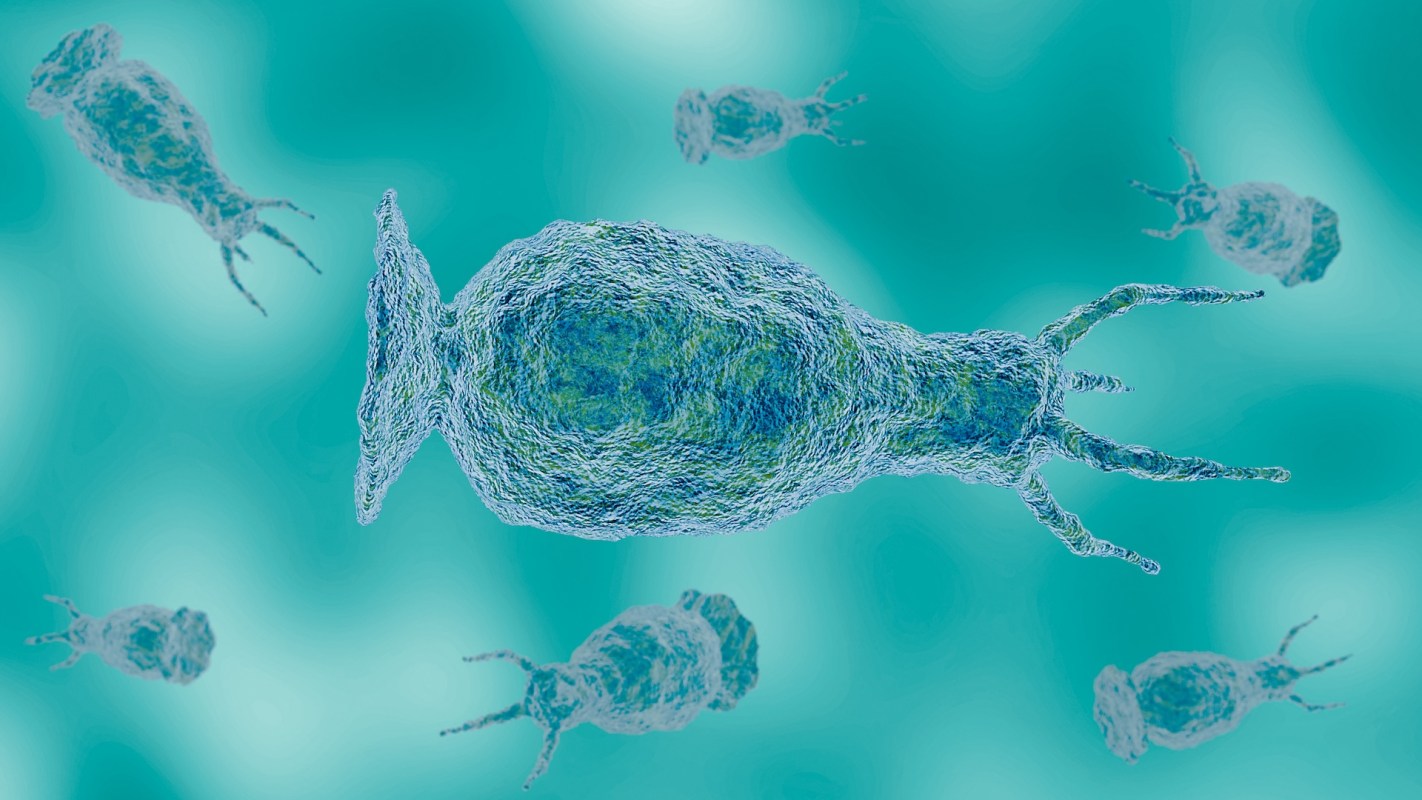
Public health experts are paying closer attention to microscopic organisms that live in lakes, rivers, soil, and even drinking water systems.
Researchers say warming temperatures and the growing strain on aging water infrastructure may increase the risks posed by a little-known group called free-living amoebae, reported ScienceDaily.
What's happening?
Scientists say free-living amoebae are single-celled organisms found in water and soil that have not received enough attention as a public health issue.
Most of these organisms are harmless, but some species can cause serious illness and may become harder to control as environmental conditions shift.
In the journal Biocontaminant, researchers said that rising global temperatures, limited monitoring, and aging water systems could all contribute to the spread of dangerous amoebae.
A well-known example is Naegleria fowleri, often called the brain-eating amoeba.
TCD Picks » Quince Spotlight
💡These best-sellers from Quince deliver affordable, sustainable luxury for all




If contaminated water enters the nose, usually during swimming or similar activities, it can cause a rare, often fatal brain infection.
Longfei Shu, the corresponding author from Sun Yat sen University, said that helps explain why these organisms are especially troubling.
"What makes these organisms particularly dangerous is their ability to survive conditions that kill many other microbes. They can tolerate high temperatures, strong disinfectants like chlorine, and even live inside water distribution systems that people assume are safe," Shu said, per ScienceDaily.
Why does it matter?
The issue is not limited to amoebae that can directly infect people.
Researchers say these organisms may also serve as a refuge for other dangerous microbes, allowing bacteria and viruses to persist inside them and potentially avoid disinfectants.
That "Trojan horse" effect could make pathogens harder to eliminate from drinking water systems and may also contribute to antibiotic resistance.
Many people think of water-related dangers in terms of contamination alerts or beach closures, but scientists are describing a broader challenge shaped by environmental change, infrastructure, and gaps in routine surveillance.
What's being done?
The researchers are calling for a "One Health" approach, treating the problem as a connected human, environmental, and water-management issue rather than a set of separate concerns.
They said earlier detection will require stronger surveillance systems, faster diagnostic tools, and more advanced water-treatment methods to lower infection risks before outbreaks happen.
The findings also suggest that utilities and public agencies may need to look beyond standard water-testing methods.
Local water advisories, infrastructure investment, and updated public health guidance are especially relevant in places facing hotter weather, stressed water systems, or heavy recreational water use.
Public health protections often rely on systems that work dependably in the background. When those systems age or fail to adapt to emerging threats, even rare organisms can become a more significant concern.
As Shu put it, "Amoebae are not just a medical issue or an environmental issue. They sit at the intersection of both, and addressing them requires integrated solutions that protect public health at its source."

Get TCD's free newsletters for easy tips, smart advice, and a chance to earn $5,000 toward home upgrades. To see more stories like this one, change your Google preferences here.






