


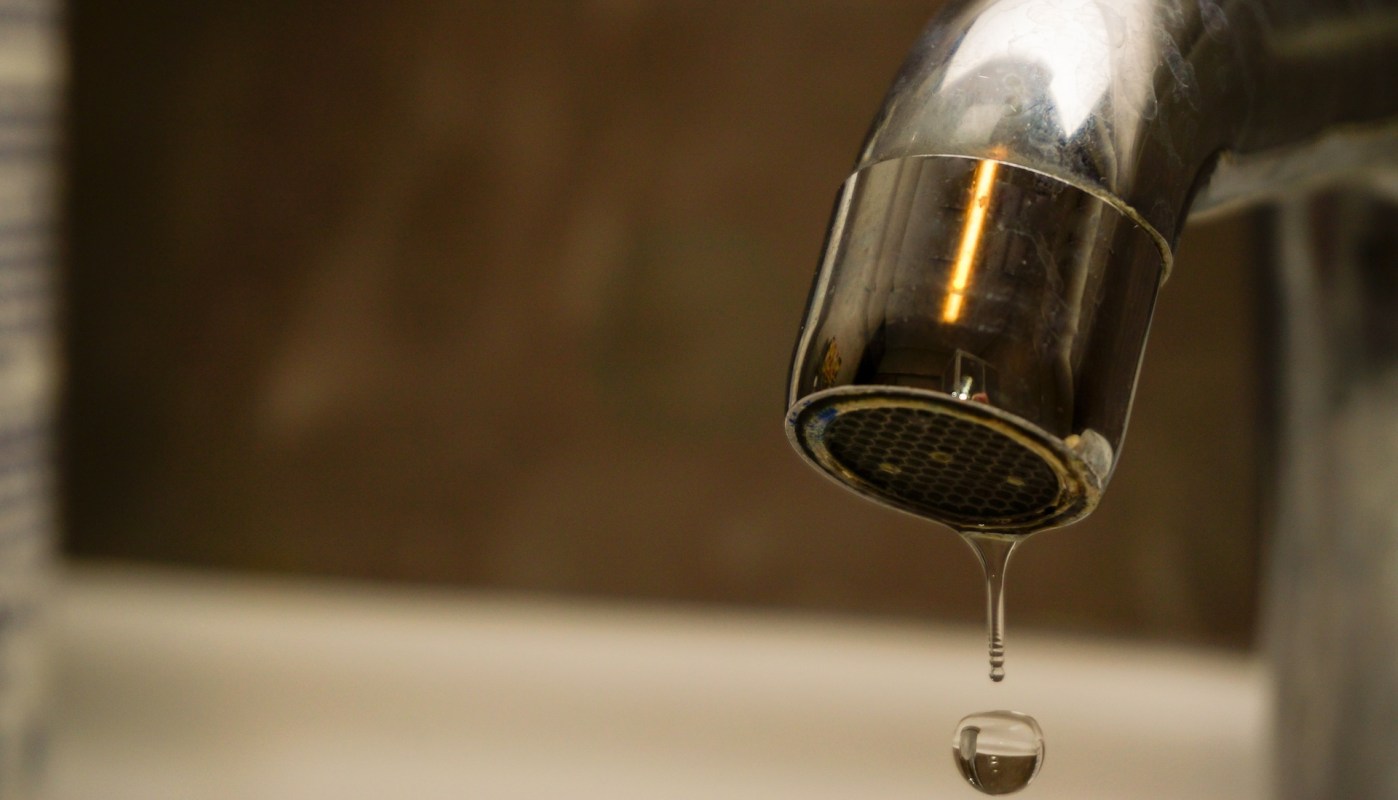
Nearly 94,000 people in mainland France were still covered by emergency drinking water measures on Sept. 28, a sign that the drought was continuing to disrupt daily life even after the most intense stretch of summer had passed.
Here's what to know
According to figures cited by The Local, Environment Minister Monique Barbut said 64,000 residents still depend on tanker deliveries or bottled supplies just to cook, wash, and drink.
Separate from that group, another 6.4 million residents were connected to water systems that were still operating normally but had been placed on alert because they were showing signs of strain. "That is 223,000 more residents than on August 24," Barbut added.
The situation has not improved because rainfall has remained extremely limited across many regions, while depleted water tables have yet to begin recovering. Temperatures also remain above seasonal norms.
More background
France endured an exceptionally hot, dry summer marked by repeated heatwaves that were linked to nearly 8,000 excess deaths.
The water shortages threatened public health, strained community safety systems, and added costs for households that lost access to tap water.
TCD Picks » Quince Spotlight
💡These best-sellers from Quince deliver affordable, sustainable luxury for all




The crisis has been even more severe in some of France's overseas territories.
Guadeloupe, in particular, was hit by a dual water crisis, as severe drought and leaks crippled drinking water service and deterioration in the sewage system contaminated bathing areas.
What's being done?
In the hardest-hit communities, French authorities have put emergency drinking water supply measures in place.
That has included tanker deliveries in some areas and greater reliance on bottled water when regular local supplies could no longer cover basic needs.
Authorities have also relied on water alert systems to manage broader pressure on supplies. Much of France was under the top tier of water alert, a status that limited water use to essential needs like drinking, cooking, and washing.
The combination of emergency supply measures and strict restrictions was intended to preserve limited reserves while officials monitored which systems were most vulnerable.
For the 6.4 million residents served by systems on alert, the immediate goal is to keep normal service running for as long as possible before shortages deepen.
Where can I learn more?
Drought emergencies elsewhere show how quickly water shortages can upend daily life.
• In England, water companies faced a worsening crisis taking hold as drought drove hosepipe bans.
• In Ecuador and Colombia, severe drought forces rationing of water and electricity for millions.
• In Iran, dam storage dropped 39% as water shortages deepened nationwide.
• Across the Western U.S., a concerning trend affecting water supplies threatened reservoirs, farms, and households.
• In South Carolina's Keowee-Toxaway Basin, new restrictions on major lakes aimed to manage drought.

Get TCD's free newsletters for easy tips, smart advice, and a chance to earn $5,000 toward home upgrades. To see more stories like this one, change your Google preferences here.






