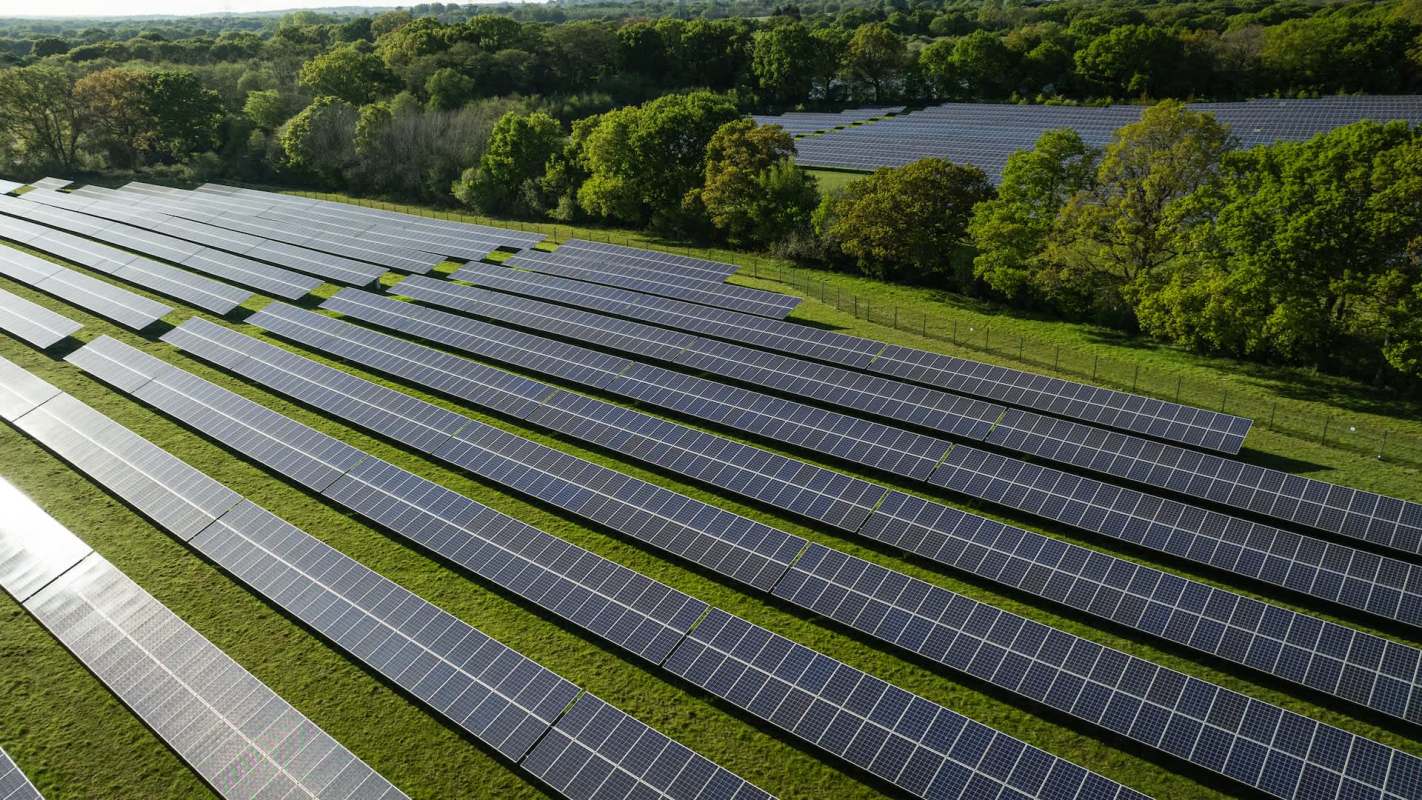
A major update to the data used in photovoltaic life cycle assessments could change how companies, governments, and buyers measure the environmental footprint of solar panels and related equipment.
Here's what to know
According to PV Magazine, a new IEA PVPS Task 12 report represents the most comprehensive overhaul since 2020 of the life-cycle inventory information used to evaluate solar electricity systems.
Included in the revision are the solar products and system types that dominate the market: crystalline silicon technologies such as PERC and TOPCon, cadmium telluride modules, inverters, mounting hardware, and standard reference setups for rooftop and utility-scale projects.
Much of the report is built on 83 vetted, factory-level datasets gathered through France's ADEME photovoltaic tender program between 2022 and 2025. Those data run from polysilicon purification through module assembly and, the report said, offer unusually strong public coverage of the solar manufacturing market.
Better underlying numbers can improve sustainability reporting, procurement standards, green finance disclosures, and environmental product declarations.
Solar remains a clean energy tool that homes and businesses use to reduce planet-warming pollution and electricity costs.
TCD Picks » Quince Spotlight
💡These best-sellers from Quince deliver affordable, sustainable luxury for all




More background
The report reflects how quickly solar manufacturing has changed.
One clear example is the shift in cell design: TOPCon is quickly overtaking PERC in crystalline silicon. According to the report, the shift to TOPCon technology means cells will "achieve higher conversion efficiencies and better performance."
Currently, China has a strong hold on production. The factory sample for crystalline silicon is concentrated in China, with 82 of the 83 facilities in the assessment located there, which matches the industry's 2024 global footprint.
In 2024, China held about 93% of worldwide polysilicon production, 96% of wafers, 90.3% of cells, and 86.1% of crystalline silicon modules. According to the report, 58.6% of these types of panels were installed in China, but in the Americas, they accounted for only 14% of installations.
The report also draws on modeled information from Fraunhofer ISE for a manufacturing site designed around 5 GWp of annual capacity. Relative to much older industry datasets from 1999 to 2006, that simulated plant showed lower environmental impacts in 14 of the 15 categories used in the EU Environmental Footprint method, with reductions ranging from 11.7% to 94.3%.
To reflect the larger arrays commonly being installed, the old 3-kilowatt residential reference system was replaced with a 10-kilowatt version, alongside a 250-kilowatt commercial rooftop system and a 10-megawatt utility-scale system.
What's being done?
This gives the solar sector a benchmark for product comparisons and a better sense of where environmental improvements are still possible.
The report also highlights the next areas to update: newer silicon designs, broader balance-of-system inventories, and, once commercial-scale factory data exists, perovskite-silicon tandem solar.
A shared and up-to-date dataset gives developers, utilities, and public agencies a more realistic way to reward lower-impact manufacturing without leaning on outdated assumptions.
For homeowners thinking about rooftop solar, tools such as EnergySage are also available. That can make it easier to find a system that cuts both energy bills and home pollution.
The report said the data "may be slightly biased towards lower-carbon supply chains," but noted that it is still most useful as a harmonized benchmark when specific manufacturer data is unavailable.
Where can I learn more?
New emissions data is only one part of the rooftop solar picture. Better panel performance, changing incentives, and hard-to-compare installation costs can all shape what homeowners get from going solar.
• In California, residential solar incentives fell sharply, creating new friction for rooftop adoption.
• Maxeon pushed the most efficient panels of 2025, and module performance continues to rise.
• EnergySage said interconnected cost factors still shape how homeowners evaluate rooftop solar.
Better carbon benchmarks help, but they do not settle every question around solar. The bigger picture still comes down to whether cleaner energy sources perform well and remain affordable enough for people to install.

Get TCD's free newsletters for easy tips, smart advice, and a chance to earn $5,000 toward home upgrades. To see more stories like this one, change your Google preferences here.