


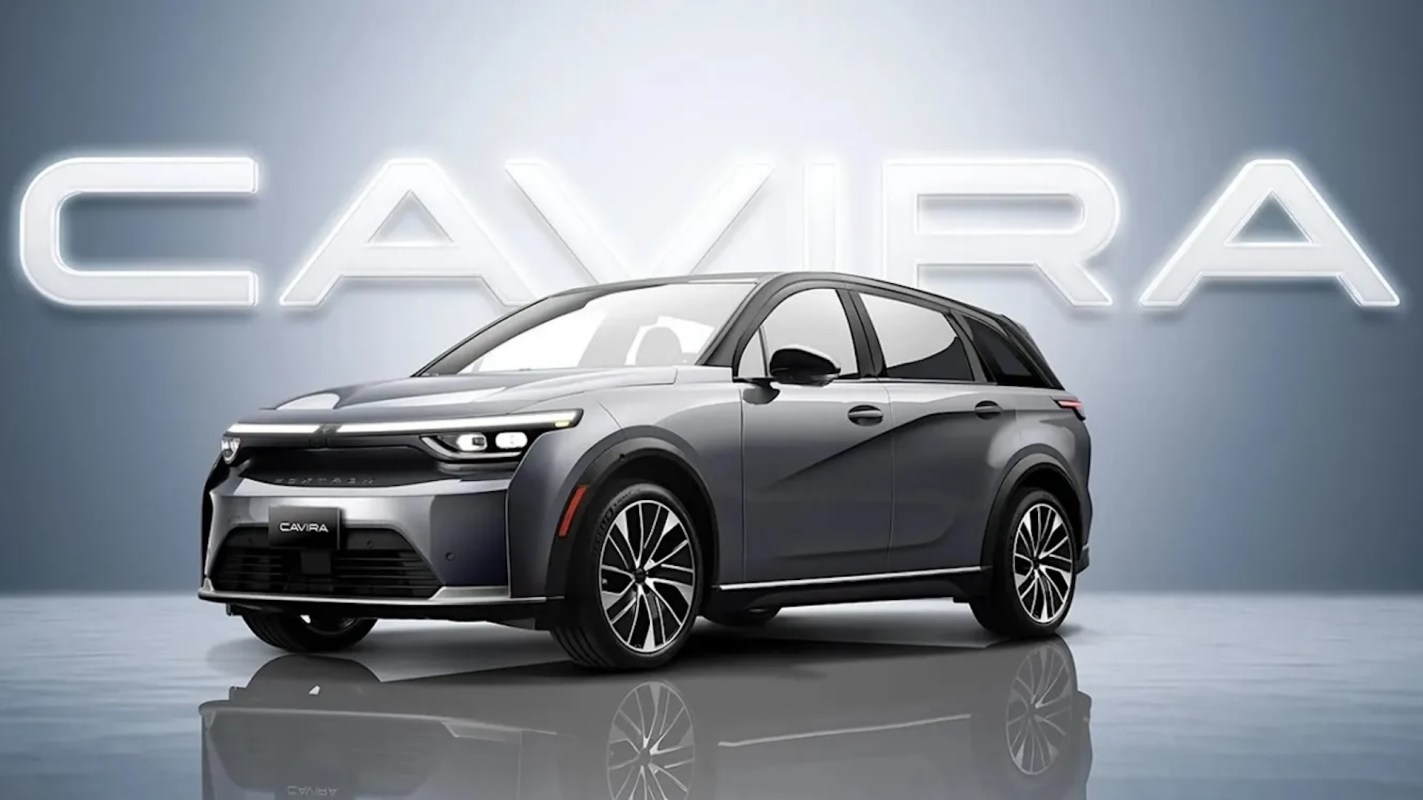
Foxconn, one of the world's largest electronics manufacturers, is drawing attention after unveiling a new electric SUV that could emerge as a serious competitor to Tesla's Model Y.
As reported by Electrek, the model, called the Foxtron Cavira, is a midsize electric SUV that delivers as much as 468 horsepower and close to 360 miles of range. The numbers put it in the same conversation as the Model Y, though it is not expected to reach U.S. dealerships.
What happened?
Known for assembling products such as iPhones, Xbox consoles, PlayStations, and a wide range of other consumer electronics, Foxconn has built its reputation as one of the world's largest contract manufacturers.
Now, through its electric vehicle division, Foxtron, the company is expanding into the automotive industry and looking to apply its manufacturing expertise to a rapidly growing EV market. The Cavira is the brand's first mainstream crossover.
The single-motor Emerge Long-Range Edition is rated for up to 359 miles of range and produces about 249 horsepower. Meanwhile, the dual-motor Pioneer Long-Range Performance Edition delivers 349 kilowatts of power (468 horsepower), accelerates from 0 to 60 mph in just 3.8 seconds, and offers an estimated 334 miles of range.
Electrek noted that power for both trims comes from the same 82.7-kilowatt-hour lithium-iron phosphate battery pack, with charging from 10% to 80% taking less than 30 minutes. Foxtron also lists blind-spot detection, a 360-degree camera, driver monitoring, a 12-speaker audio system, and vehicle-to-load capability among the Cavira's features.
TCD Picks » Quince Spotlight
💡These best-sellers from Quince deliver affordable, sustainable luxury for all




Why does it matter?
The Cavira enters an EV market where automakers are increasingly competing on range, performance, technology, and affordability. With a starting price expected around $40,000, it could offer a compelling option for drivers looking to switch to an electric vehicle without paying luxury-level prices, although the model is unlikely to reach the U.S. market.
For many drivers, the savings continue long after the purchase. EVs typically cost less to operate than gas-powered vehicles because they have fewer moving parts, require less maintenance, and eliminate trips to the gas pump. Charging at home is also significantly cheaper than relying on public fast chargers, potentially saving you hundreds of dollars each year.
If you're considering home charging, Qmerit can help simplify the process by providing instant estimates for installing a Level 2 charger. For even greater savings, pairing an EV with rooftop solar can dramatically reduce charging costs, since generating your own electricity is often cheaper than using public charging stations or drawing power from the grid.
For homeowners interested in solar, EnergySage can connect you with vetted installers and help you compare competitive quotes, with some homeowners saving up to $10,000 on installation costs. Together, home charging and solar power can make EV ownership even more affordable over the long term.

Get TCD's free newsletters for easy tips, smart advice, and a chance to earn $5,000 toward home upgrades. To see more stories like this one, change your Google preferences here.






