


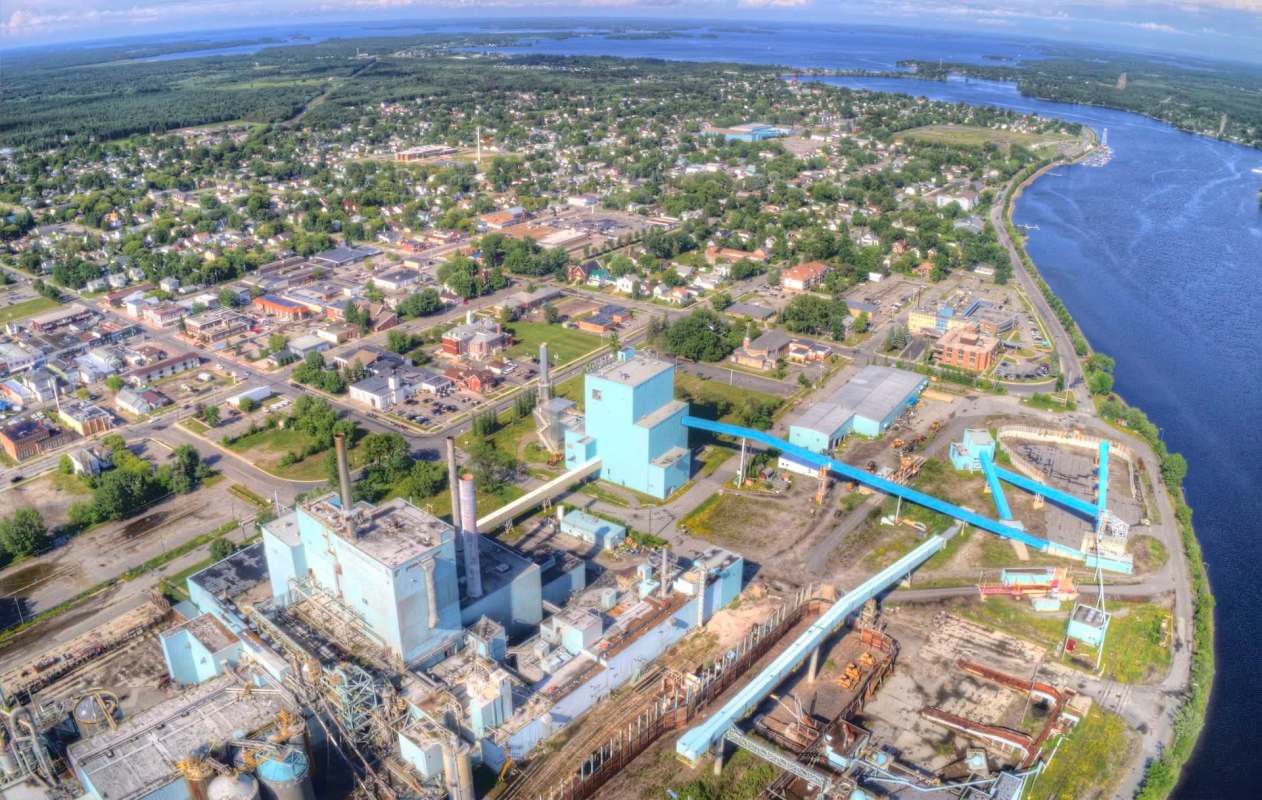
Fort Frances, Ontario, awaits its fate as a mining project across the U.S. border could put the community's drinking water at risk.
Here's what to know
According to The Narwhal, Congress voted in April 2026 to end a 20-year mining moratorium affecting part of Minnesota's Superior National Forest, and President Donald Trump signed it into law.
That decision could reopen the door for the proposed Twin Metals copper and nickel mine near the Boundary Waters. Communities in Ontario are concerned because the watershed flows north and may affect their water supply.
According to Travis Rob, Fort Frances' manager of infrastructure and growth, the town's treatment plant was not built to manage the kind of contamination mining could cause, and finding another water source or upgrading the facility would be "neither easy nor cheap."
Sulfide-ore mining can release sulfuric acid and heavy metals. The resulting sulfate can harm wild rice — a plant with deep importance in Anishinaabe culture and diet — while also helping convert mercury into methylmercury, which accumulates in fish and, subsequently, the people who eat them.
Fort Frances, a town of about 7,500 people, relies on Rainy Lake for the community's water supply, and it's vital to nearby First Nations communities.
TCD Picks » Quince Spotlight
💡These best-sellers from Quince deliver affordable, sustainable luxury for all




More background
Debated for decades, the Twin Metals project would seek metals used in wiring, electronics, and rechargeable batteries.
According to The Narwhal, Rob said Couchiching First Nation and other communities also receive drinking water from Fort Frances' treatment plant.
In an April statement, Chief Carrie Atatise-Norwegian of Gakijiwanong Anishinaabe Nation warned, "This decision threatens the lives of our people, water resources and our ancestral lands."
The region already has a history with contamination in Grassy Narrows First Nation. Fort Frances Mayor Andrew Hallikas reminded everyone that the effects of tainted water can last a long time. "Northwestern Ontario understands the devastating consequences of mercury contamination," he wrote. "That history demands vigilance, transparency and precaution."
What's being done?
According to The Narwhal, Minnesota Gov. Tim Walz signed an executive order in August blocking state agencies from issuing leases or permits for copper, nickel, and other non-iron ore mines on the U.S. side of the watershed. This will stay in effect while existing leases, including Twin Metals', are reviewed.
Ontario municipal and Indigenous leaders are also pushing for stronger action. The Rainy River District Municipal Association wrote to Ontario Premier Doug Ford opposing the mine, and Grand Council Treaty 3 said the threat does not end at a state or provincial line.
Ogichidaa Francis Kavanaugh, grand chief of Grand Council Treaty 3, said, "This is not just a local issue, it is a transboundary concern that directly affects our waters, our environment, and our way of life."
Merrell-Ann Phare, a Canadian commissioner with the International Joint Commission, also stated the IJC has "no enforcement authority," and it can only get involved if both national governments ask.
Where can I learn more?
• In Minnesota, lawmakers overturned a 20-year mining moratorium in Superior National Forest.
• A court fight is challenging efforts to weaken EPA PFAS drinking water standards nationwide.
• The Biden administration blocked an urgent mining road through Alaska's Brooks Range.
• In Utah, proposed data centers could suck water away from drought-hit communities.
• In California, two policy calls could determine whether drought deepens statewide.

Get TCD's free newsletters for easy tips, smart advice, and a chance to earn $5,000 toward home upgrades. To see more stories like this one, change your Google preferences here.






