


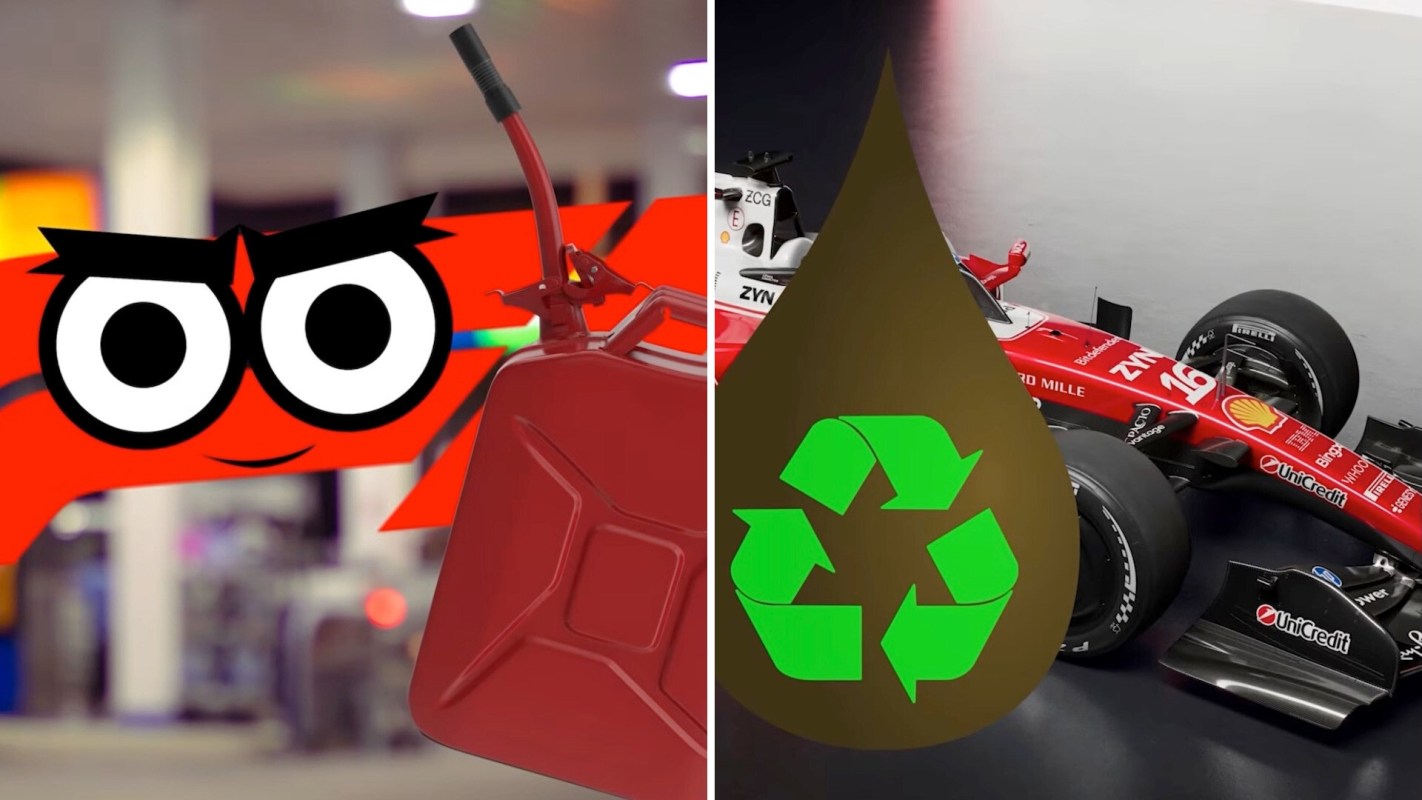
The loudest part of Formula 1 is not the main driver of its pollution. The bigger climate issue comes from the travel, freight, and infrastructure needed to keep a global racing series moving.
That means its push to reach net zero by 2030 depends far more on cutting operational pollution away from the track.
Here's what to know
In sustainability reporting connected to Formula 1's 2019 net-zero plan, and highlighted in an EcoBits (@EcoBitsOfficial) breakdown on YouTube, the sport says the cars themselves are responsible for only about 0.7% of overall pollution.
Sustainability researcher Feline Struijk said, "Most of the emissions from F1 come from electricity consumption, which happens not just during the race, but on the whole, like, racing venues and also team factories, office buildings."
F1 data, cited in the EcoBits video, estimated the sport's footprint at about 256,000 tons of carbon dioxide per year, with roughly 45% tied to logistics and 27.7% to personnel travel.
Those figures help explain why F1's sustainability efforts center on freight, facilities, and flights. The sport says it reduced pollution 26% between 2018 and 2024, despite expanding from 21 races to 24 and increasing attendance from about 4 million to 6.5 million.
TCD Picks » Quince Spotlight
💡These best-sellers from Quince deliver affordable, sustainable luxury for all




F1 also says the sport's engineering work can benefit road cars beyond racing. It points to hybrid systems, electric motors, turbo efficiency, and energy efficiency as developments that could improve everyday vehicles.
More background
Scrutiny intensified in 2020 when the F1 season began in Australia amid devastating wildfires linked to climate change. In that setting, the arrival of private jets, cargo planes, and a fuel-heavy sporting spectacle put the sport's environmental footprint under a harsher spotlight.
A key part of F1's defense is how efficient its engines have become. The hybrid turbo power units introduced in 2014 reportedly deliver more than 50% thermal efficiency, compared with about 30% for typical gasoline engines and around 40% for diesel engines.
Even so, F1's official footprint does not include a major source of climate impact. That would be the fans who make the economics work. The EcoBits video says spectator travel alone can exceed the series' reported operational pollution.
Other omitted sources include hotel stays, food and drink, merchandise, and streaming.
What's being done?
F1 has aimed first at the pollution sources it can directly influence. According to the EcoBits video, factories' share has fallen 59% since 2018 through renewable energy and efficiency improvements, while travel contributions are down about 25%.
Broadcast operations have changed too. About 140 staff members work from F1's media technology center in the United Kingdom instead of flying to every event, as part of what the series calls the "largest intercontinental remote production system in sports."
For freight, the sport moved to shipping containers suited to more efficient Boeing 777s, expanded biofuel trucking in Europe, and increased its use of sustainable aviation fuel in logistics.
The calendar has been reshaped to cut unnecessary travel as well. Japan was moved from September to April to make the Asia-Pacific stretch more efficient, Azerbaijan was placed closer to Singapore on the schedule, and Canada is set to shift to May so freight can go straight from Miami to Montreal.
"The real secret to decarbonizing F1 may have actually nothing to do with the cars at all," EcoBits concluded.
Where can I learn more?
For more on the bigger climate questions around sports and corporate sustainability claims, these stories look at greenwashing, offsets, and travel-heavy events.
• Writers filed complaints over allegedly misleading new sponsor ties linking F1 to Saudi Aramco.
• The 2026 World Cup's 48-team sprawl was called out for making travel and operations especially polluting.
• Net-zero campaigns often lean on carbon offset programs whose climate benefits remain contested.
• A watchdog platform now makes sure companies stick to climate pledges they advertise.

Get TCD's free newsletters for easy tips, smart advice, and a chance to earn $5,000 toward home upgrades. To see more stories like this one, change your Google preferences here.






