


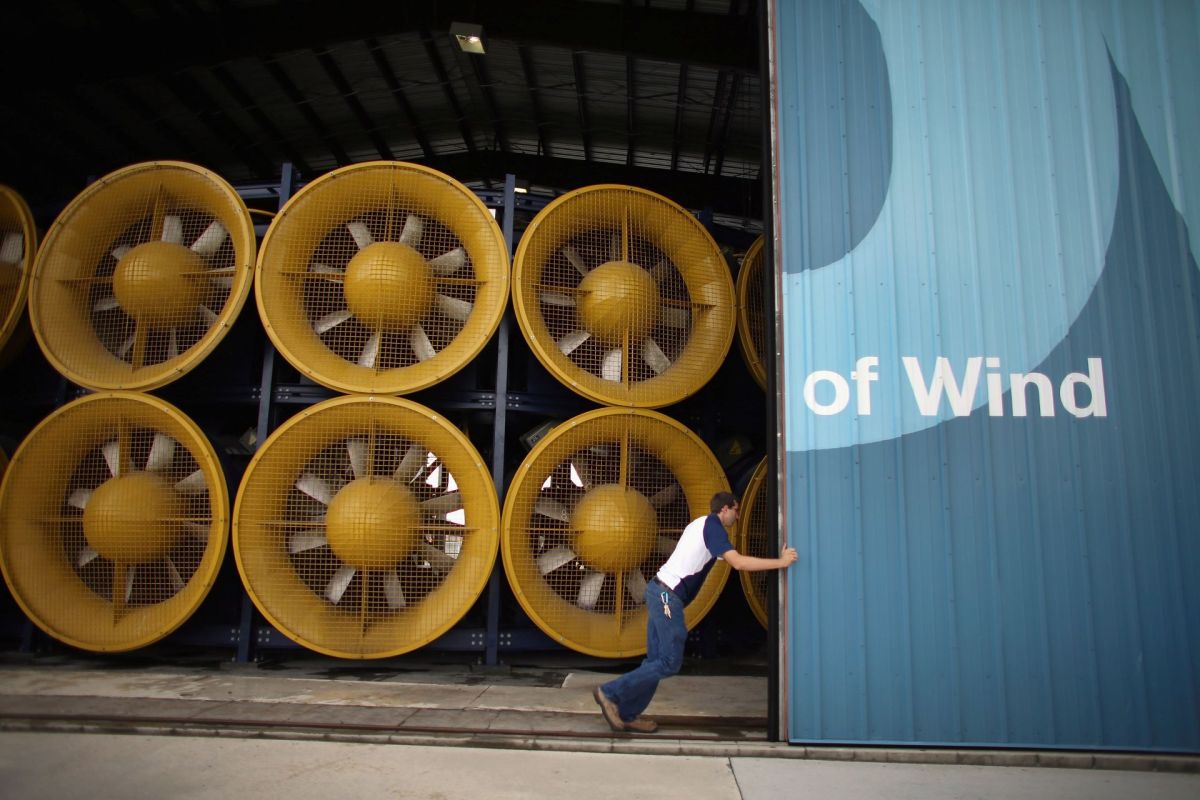
Florida International University's "Wall of Wind" is set for a major expansion after receiving a $15 million donation, giving one of the country's most powerful hurricane research tools a significant boost.
The funding will help build a next-generation version of the testing complex, potentially improving scientists' understanding of how homes, buildings, and critical infrastructure hold up during extreme storms.
Here's what to know
According to WSVN, the donation is earmarked for "WOW 2.0," the next phase of the Wall of Wind. With that upgrade, researchers will be able to test structures and building components in winds up to 200 miles per hour.
No other university-run facility in the U.S. can both recreate a Category 5 hurricane and test full-scale structures.
That means researchers do not have to rely only on small models or computer simulations. Instead, they can study how real materials and building designs perform under hurricane-force winds.
For a hurricane-prone state like Florida, that research can help close the gap between what engineers expect and what actually happens when a major hurricane makes landfall.
TCD Picks » Quince Spotlight
💡These best-sellers from Quince deliver affordable, sustainable luxury for all




More background
The existing facility, already used for hurricane preparedness research, is being expanded through the $15 million gift.
Because it tests full-scale structures and components, its findings are more directly relevant to the buildings people use every day.
Simulating Category 5 conditions lets researchers study how buildings respond under the most extreme pressure and identify weak points before a real hurricane does.
That research can eventually translate into stronger construction practices and improved standards to reduce damage, repair costs, and safety risks when storms strike.
What's being done?
Through WOW 2.0, FIU researchers expect to gain a more capable facility for examining how the built environment handles intense wind events.
The work uses engineering research to gather evidence, test ideas under extreme conditions, and turn those results into better solutions for communities facing hurricanes and other severe weather threats.
Jack Puleo, dean of FIU's College of Engineering & Computing, said, "We need research facilities to understand and improve our knowledge of the natural and built infrastructure of these powerful forces. That knowledge leads to discovery, to innovation, and ultimately societal benefit."
Where can I learn more?
These articles explore the same big question driving FIU's Wall of Wind work: how buildings and energy systems hold up in hurricane conditions. They also show how that research is influencing design choices and preparedness efforts well before the next major storm.
• At IBHS, a six-story hurricane generator is testing how full-scale homes fail in extreme winds.
• A builder's strong hurricane-resistant homes are being pitched as a game-changer.
• Deltec Homes in North Carolina builds houses that can withstand 190 mph hurricane winds.
Extreme-wind research matters beyond the lab. What scientists and builders learn from tests like these can help communities get ready for stronger storms.

Get TCD's free newsletters for easy tips, smart advice, and a chance to earn $5,000 toward home upgrades. To see more stories like this one, change your Google preferences here.






