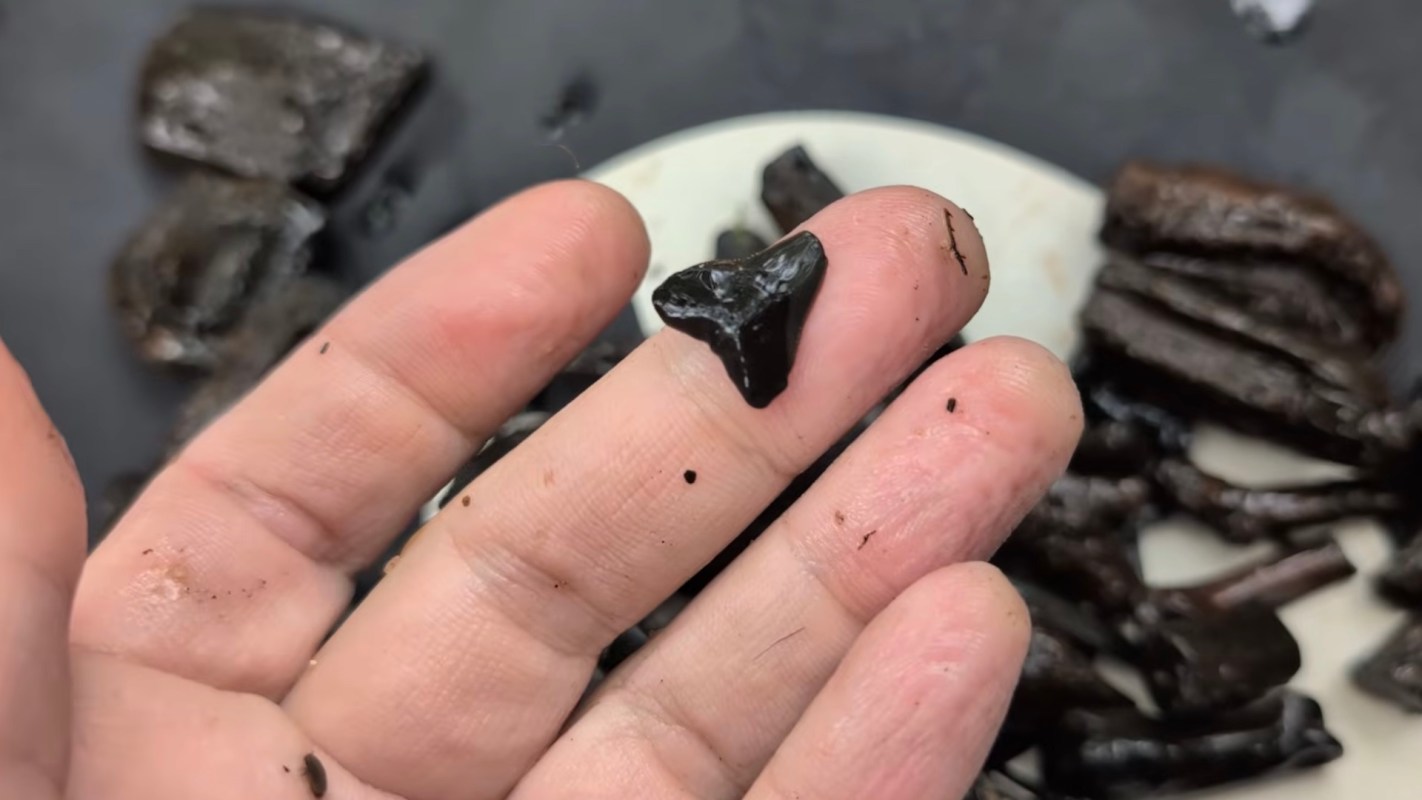
Low water in a Florida river is revealing signs of a much earlier era.
A video from fossil-hunting creator WILDKYLE (@WILDKYLE) shows drawdown conditions and unusually clear water bringing Ice Age carnivore remains and petrified wood into view.
Here's what to know
"Not only did we find some amazing Ice Age carnivore fossils, but I took some time to talk about a very important and scientifically significant fossil I found in this location a couple of years ago," the creator wrote.
When water levels drop, riverbeds can temporarily reveal bones, teeth, and petrified plant material that had been buried beneath sediment.
Filmed in a Florida river with notably clear water, the outing highlighted how shifting river conditions can expose evidence from ancient ecosystems.
The carnivore fossils suggest the area once looked very different, and the petrified wood indicates that remnants of old plant life are preserved there as well.
TCD Picks » Quince Spotlight
💡These best-sellers from Quince deliver affordable, sustainable luxury for all




One commenter wrote, "That seriously is some of the COOLEST petrified wood I have ever seen! WOWZA!"
More background
Fossils help tell the story of how environments changed over time. A single river can preserve evidence of animals, plants, and geological processes from dramatically different eras, giving scientists and the public a fuller picture of regional history.
Public fascination with local fossil finds can increase appreciation for waterways not just as recreation spots, but as places worth protecting and studying. When residents begin to see a river as a source of shared natural heritage, conservation can become easier to understand on a personal level.
Another commenter wrote, "Wow, love all the petrified branches and pinecone. How exciting for it to be in the museum."
What can be done?
When low water exposes fossils or petrified wood, careful handling matters. Documenting finds, avoiding unnecessary disturbance, and ensuring scientifically important material has a path to researchers or public institutions, when appropriate, can help preserve it.
That can mean treating rivers as both natural spaces and historical archives. Photographing unusual finds, learning local rules, and contacting experts instead of removing potentially significant specimens can help preserve information that might otherwise be lost.
Protecting waterways and respecting the discoveries they reveal can strengthen community science, deepen environmental awareness, and create opportunities for museums, educators, and families to engage with the past together.
One commenter summed up the mood by writing, "Great day out, thanks for taking us along."
The creator also said, "I've been looking for the perfect time to share it, and this video felt like the right one."

Get TCD's free newsletters for easy tips, smart advice, and a chance to earn $5,000 toward home upgrades. To see more stories like this one, change your Google preferences here.