


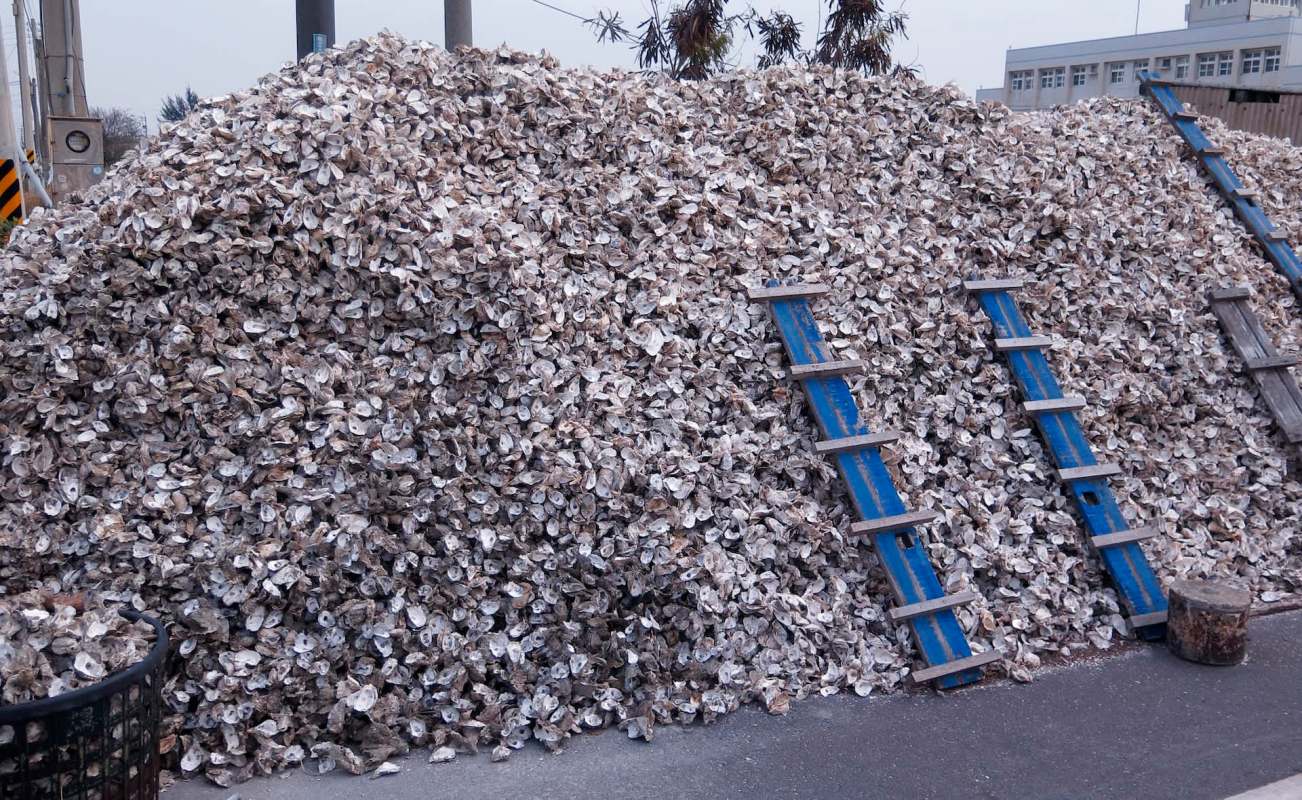
A Florida restoration project that involved sinking discarded shells in Gulf waters showed how damaged marine habitat can rebound.
From 2007 to 2024, reused oyster and clam shells helped turn depleted seafloor in the Gulf into productive habitat again.
What happened?
As Upworthy reported, Florida spent 17 years placing more than 500,000 tons of recycled shells from seafood restaurants and seafood plants back into the Gulf.
The idea drew plenty of doubt early on. Because the shells were essentially discarded material, some people feared adding them to an already stressed marine environment would do more harm than good.
For a while, that skepticism seemed justified. Researchers did not immediately see dramatic changes, though much of the restoration was happening on a microscopic level long before it became visible.
In areas where oyster reefs had disappeared and soft bottom had taken over, the shells gave young oysters places to settle and grow. As those oysters matured, they filtered the water and helped keep harmful algae blooms in check, creating conditions for fish, turtles, and dolphins to return in numbers not seen in more than 25 years.
TCD Picks » Quince Spotlight
💡These best-sellers from Quince deliver affordable, sustainable luxury for all




Why does it matter?
Cleaner coastal water can benefit human health, while healthier oyster reefs can support the seafood supply that many communities depend on.
There are economic benefits as well. More abundant fish populations can help provide steadier income for fishermen, while cleaner waterways can help protect valuable tourism revenue.
Oyster reefs offer another major advantage: They can act as natural storm barriers. They can help protect coastlines from damage that often leads to costly repairs for homes, businesses, and public infrastructure.
What's being done?
Florida's success has drawn interest from experts in coastal engineering and marine biology in North America, Europe, and Australia, Upworthy reported. Similar shell-recycling programs have already launched in states such as Alabama, Texas, Louisiana, California, Mississippi, and throughout the Carolinas.
Using natural materials can help damaged ecosystems recover more quickly. That could be especially important in places where oyster populations have declined because of overharvesting or disasters such as the Deepwater Horizon oil spill.
Shell-recycling efforts at seafood businesses and through local conservation programs can keep useful natural material in circulation instead of sending it to the trash.
Florida's shell experiment does not undo decades of environmental damage, but it does show that thoughtful restoration can produce real results. It also suggests that material often treated as waste can help drive a meaningful ecological recovery.

Get TCD's free newsletters for easy tips, smart advice, and a chance to earn $5,000 toward home upgrades. To see more stories like this one, change your Google preferences here.






