


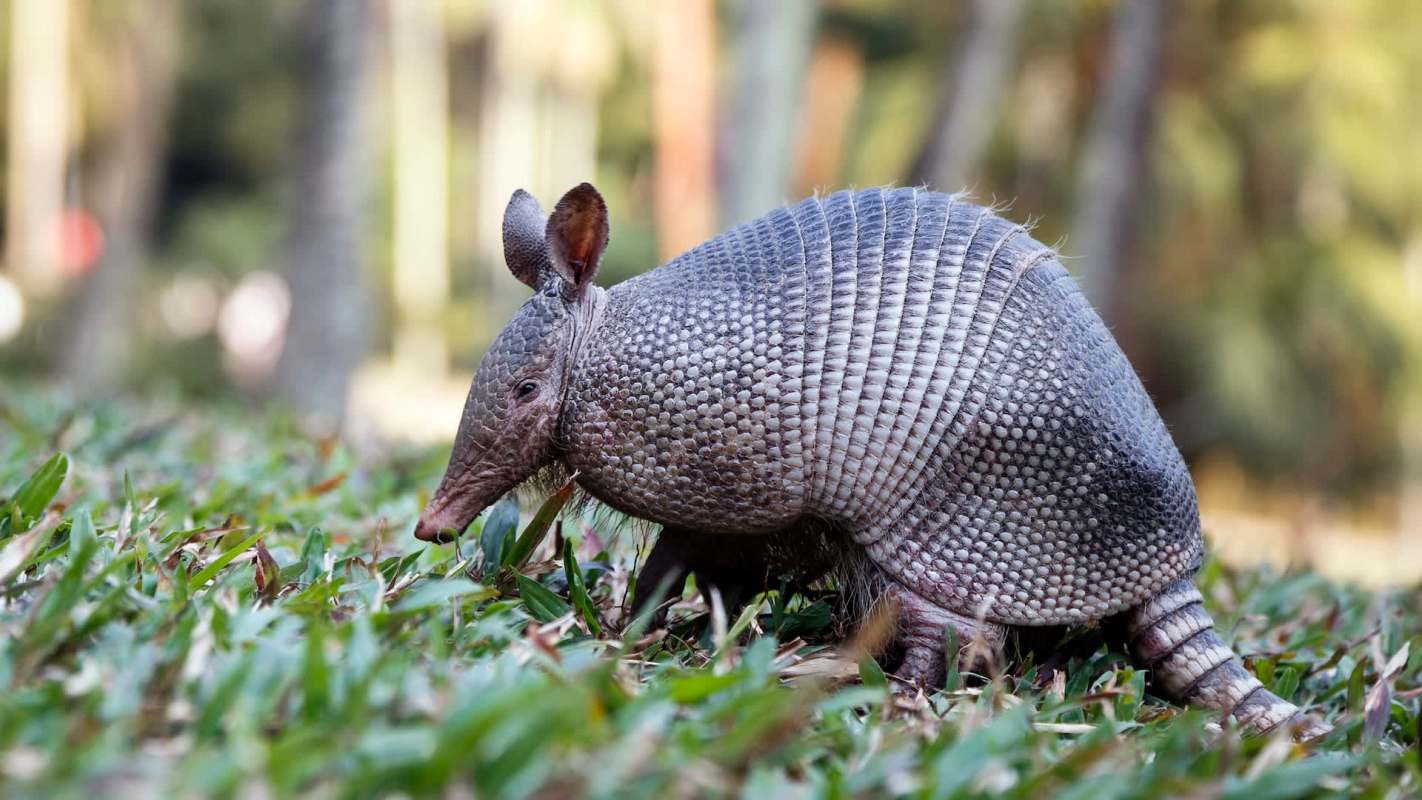
Florida is seeing another year of reported leprosy cases, also known as Hansen's disease, as health officials track new infections in 2026 after a significant rise last year. The warning is concentrated on Central Florida, where investigators say a cluster of locally acquired cases has drawn attention to armadillo exposure.
Hansen's disease remains rare and treatable, but the latest numbers are a reminder that even uncommon health threats can show up close to home.
What's happening?
State figures cited by WJXT News4JAX show 36 confirmed Hansen's disease cases in Florida in 2025. By mid-July 2026, another 17 cases had been reported, though those numbers are still provisional. Officials believed 27 of the 2025 cases were contracted in Florida rather than abroad.
Central Florida has been a major focus of the increase. The University of Florida's Emerging Pathogens Institute said that, from 2019 to 2022, Brevard County made up 40 of the state's 74 confirmed cases, more than any other county. Researchers have also pointed to counties along the Interstate 4 corridor as areas worth watching.
Recent state data listed cases in counties including Brevard, Orange, Seminole, Volusia, Lake, Duval, Miami-Dade, Lee, Manatee, Charlotte, Highlands, Okeechobee, Sumter, and St. Johns. While some of those infections were tied to travel or exposure outside Florida, officials say a growing portion of them seem to have been acquired locally.
Why does it matter?
Leprosy is rare; the risk to the general public remains low, and most people — about 95% — are naturally resistant to infection. It also does not spread easily through casual contact.
TCD Picks » Quince Spotlight
💡These best-sellers from Quince deliver affordable, sustainable luxury for all




However, health officials say more Florida patients are being diagnosed without travel to countries where leprosy is more common. Researchers have long identified armadillos as carriers of Mycobacterium leprae, the bacterium behind the disease, and a 2011 genomic study found that many southern U.S. human cases and armadillos shared essentially matching strains.
A major concern is delayed diagnosis. A person may not see symptoms for years, or even decades, and the illness is often mistaken for something else at first. That delay can increase the risk of nerve damage, even though standard treatment can stop the infection and prevent disability when started early.
What can I do?
The basic public health advice is to avoid armadillos altogether — including not handling, skinning, or eating them. If contact cannot be avoided, officials recommend wearing gloves and cleaning any exposed skin afterward. Anyone who develops persistent skin lesions, numbness, or other unusual symptoms should tell a health care provider about possible armadillo exposure.
Lack of awareness from clinicians can be an issue, since symptoms can appear so long after exposure and doctors may not immediately suspect Hansen's disease. Better recognition can help patients begin multidrug therapy sooner.
That treatment is effective and curative, and patients generally become noninfectious soon after therapy begins.
While Florida's case counts are still small, the recent pattern has been enough to keep health officials monitoring the situation closely.

Get TCD's free newsletters for easy tips, smart advice, and a chance to earn $5,000 toward home upgrades. To see more stories like this one, change your Google preferences here.






