


Fixing an inefficient cooling setup left one South Florida solar owner with much more generation to work with than they expected. After a badly undersized air conditioner was replaced, the home's yearly energy balance shifted by several thousand kilowatt-hours.
That change also moved up a car-buying timeline, with the homeowner deciding the extra solar output made it reasonable to get an electric vehicle sooner than planned.
What happened?
In a discussion on Reddit, the homeowner explained that a solar installation completed in April 2023 was not producing the savings they had expected because their electricity use remained unusually high.
The main culprit was an upstairs AC unit that had been "severely undersized by the original builder." Once it was replaced with a properly sized system, the homeowner said their electricity use dropped by about 30-35%.
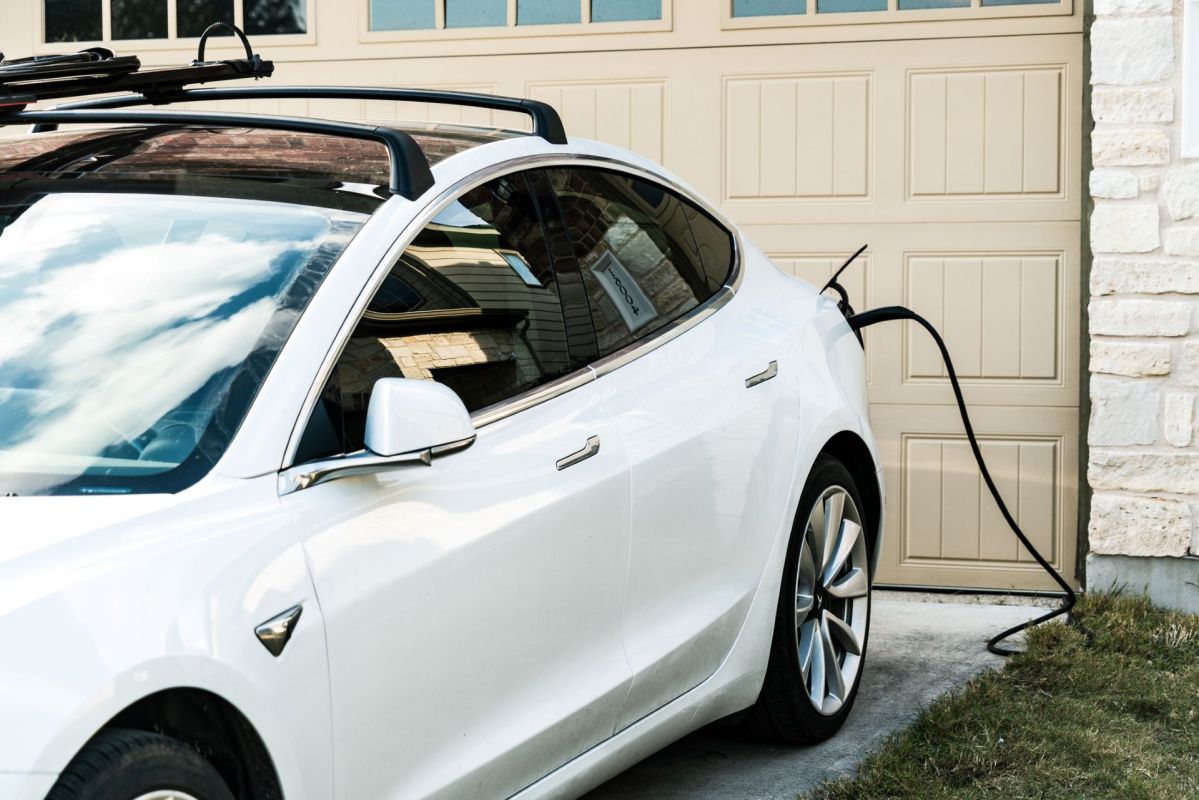
With that lower demand, the poster estimated, "I'll have 3,000-4,000 extra kWh a year" and said an EV they had planned for the "next couple of years" was something they "just decided to go ahead and do … now."
Replies emphasized that there is no one-size-fits-all answer since the numbers depend on things such as driving habits, local utility policies, and vehicle efficiency.
TCD Picks » Quince Spotlight
💡These best-sellers from Quince deliver affordable, sustainable luxury for all




"The real answer here is that it depends on the size of the array and on how much you're driving," one person wrote.
Another commenter framed the tradeoff simply, writing, "Every kWh that your solar array generates is one less you buy from the grid."
Why does it matter?
To offer a benchmark, one commenter said a Tesla Model Y gets "around 4 miles per kilowatt-hour."
The thread also touched on utility pricing, with one Florida resident saying their power company charged roughly 12 cents per kilowatt-hour for the first 1,000 kilowatt-hours and 14 cents after that.
Here, the AC upgrade did more than lower cooling costs. By cutting household demand, it left more of the home's solar production available and made the case for buying an EV easier to support.
What can I do?
If you already have solar and are considering an EV, one practical starting point is to compare annual panel production with household electricity use and then estimate how much charging you are likely to need.
That math can vary because both EV efficiency and mileage differ from one driver to another.
Utility rules can matter just as much.
As one commenter noted, without "1-to-1 net metering" — or if charging happens outside solar-generation hours, as discussed — "you will need a battery to make use of the extra production."
Another user raised a separate Florida-focused issue: whether paying for a backup battery makes sense if the main reason is outage preparedness.
If you're shopping for panels, EnergySage offers free tools to help you curate competitive bids from local installers without giving up your contact information unless you decide to move forward with one. That can make it easier to size a system for your needs while also planning for future EV charging.

Get TCD's free newsletters for easy tips, smart advice, and a chance to earn $5,000 toward home upgrades. To see more stories like this one, change your Google preferences here.






