


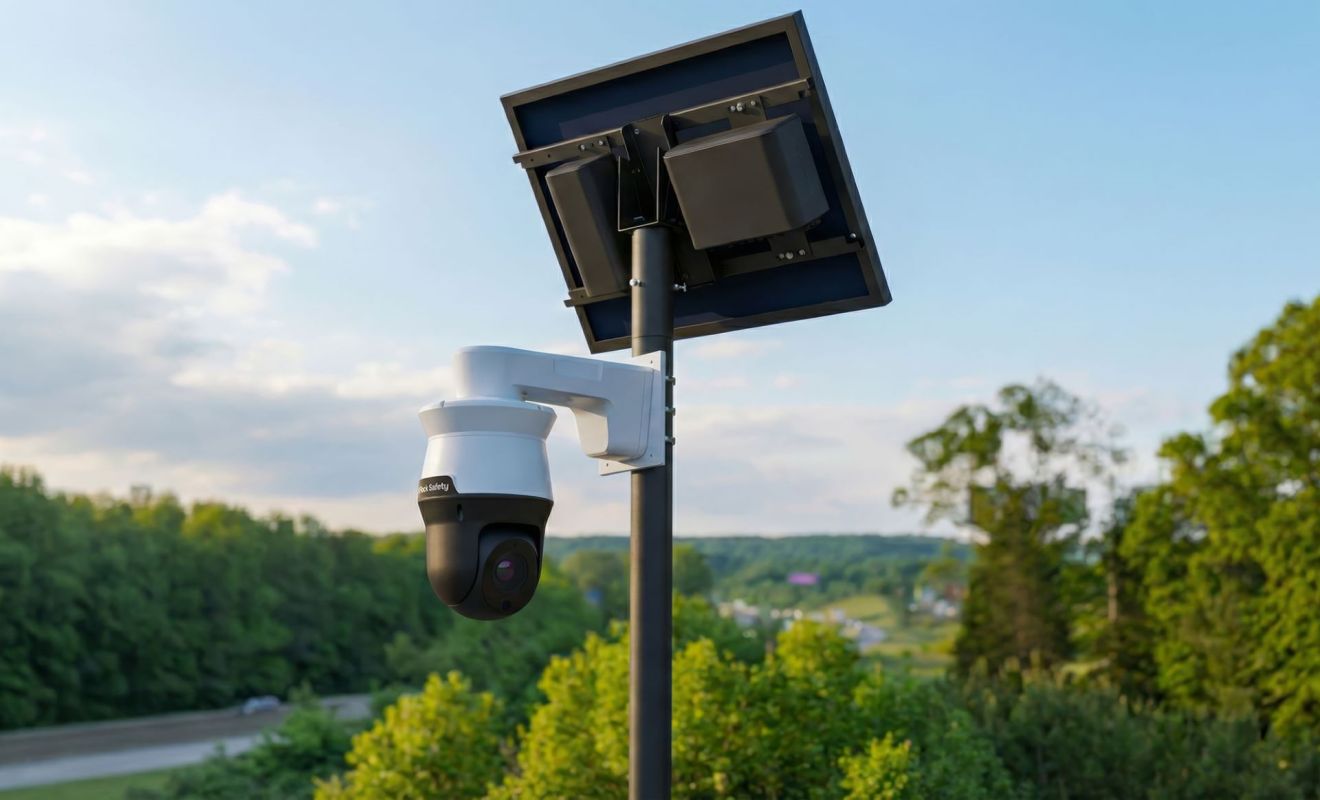
A camera alert that was supposed to help solve a deadly Florida hit-and-run instead helped send the wrong woman to jail, raising heightened concerns about how heavily police rely on automated surveillance tools when lives and freedom are at stake.
The case centers on a triple-fatal crash on Interstate 4 near DeBary — and on the gap between a machine-generated lead and evidence that appeared to point elsewhere.
Here's what to know
After the October 4, 2025, crash killed Joaquin Deno, Jorge Salinas, the deputy administrator of Flagler County, and his wife, Nancy, investigators turned their attention to 23-year-old Lindsey Brooke Isaacs, according to Motor Biscuit. As Gadget Review reported, a Flock Safety camera record placed her black Dodge Durango roughly three miles from the scene, even though Isaacs said she did not cause the wreck.
Other evidence, though, reportedly pointed in a different direction: a 911 caller described the suspect vehicle as a maroon Dodge Durango and shared a partial plate that did not match Isaacs' SUV, and investigators said the struck vehicle had maroon paint on it. Even so, the camera alert became a key lead.
Despite those issues, the Florida Highway Patrol arrested Isaacs on April 17, 2026, and charged her with eight felonies, including three counts of vehicular homicide. She spent 13 days in jail before prosecutors said the evidence was not strong enough to justify keeping her in custody before trial.
The case shifted on May 22, when prosecutors dropped the charges against Isaacs, and investigators arrested 47-year-old Alisa Montalvo. Authorities said Montalvo's maroon Durango matched the initial description and had damage consistent with the crash; she is accused on nine counts, including three vehicular-homicide charges, and has not been convicted.
TCD Picks » Quince Spotlight
💡These best-sellers from Quince deliver affordable, sustainable luxury for all




"This might be the best case to ban all ALPR Cameras after flock cameras just ruined an innocent Florida woman's life," Kacee Allen (@KaceeRAllen) wrote in a post to social platform X about the incident.
This might be the best case to ban all ALPR Cameras after flock cameras just ruined an innocent Florida woman's life.
— Kacee Allen (@KaceeRAllen) August 17, 2026
Cops used one ALPR hit to pin a triple-fatal hit-and-run on 23-year-old Lindsey Isaacs. Seized her undamaged black Durango, claimed "damage," then arrested her 6… pic.twitter.com/e8TlabWwHb
More background
Long before guilt is established in court, automated license plate readers, or ALPRs, can heavily influence the direction of an investigation. The systems photograph passing vehicles and read their license plates so police can search for cars connected to a case, but critics have long argued that a camera alert should be treated as a lead rather than proof.
According to Isaacs' federal lawsuit, a time-and-distance analysis showed her vehicle could not have reached the crash site when the collision occurred. Her black Durango also reportedly lacked damage that matched the crash.
When police place too much weight on automated alerts, the consequences can include wrongful arrests, jail time, legal costs, and reputational harm for people who were never involved.
What's being done?
Isaacs has filed a federal lawsuit against the Florida Highway Patrol and the troopers involved, alleging that investigators wrongly claimed her vehicle had damage matching the deadly crash, Motor Biscuit reported. The suit could bring closer scrutiny to how police agencies document, verify, and act on ALPR evidence.
Cases like this could also add pressure for stronger guardrails around automated policing tools. That can include requiring corroborating evidence before an arrest, improving audit trails for investigators, and making sure officers clearly distinguish between an investigative lead and a confirmed identification.
A deadly crash left three families devastated. The investigation that followed shows how easily an automated alert can steer authorities toward the wrong person — and why accuracy, accountability, and restraint matter whenever technology enters the justice system.

Get TCD's free newsletters for easy tips, smart advice, and a chance to earn $5,000 toward home upgrades. To see more stories like this one, change your Google preferences here.






