


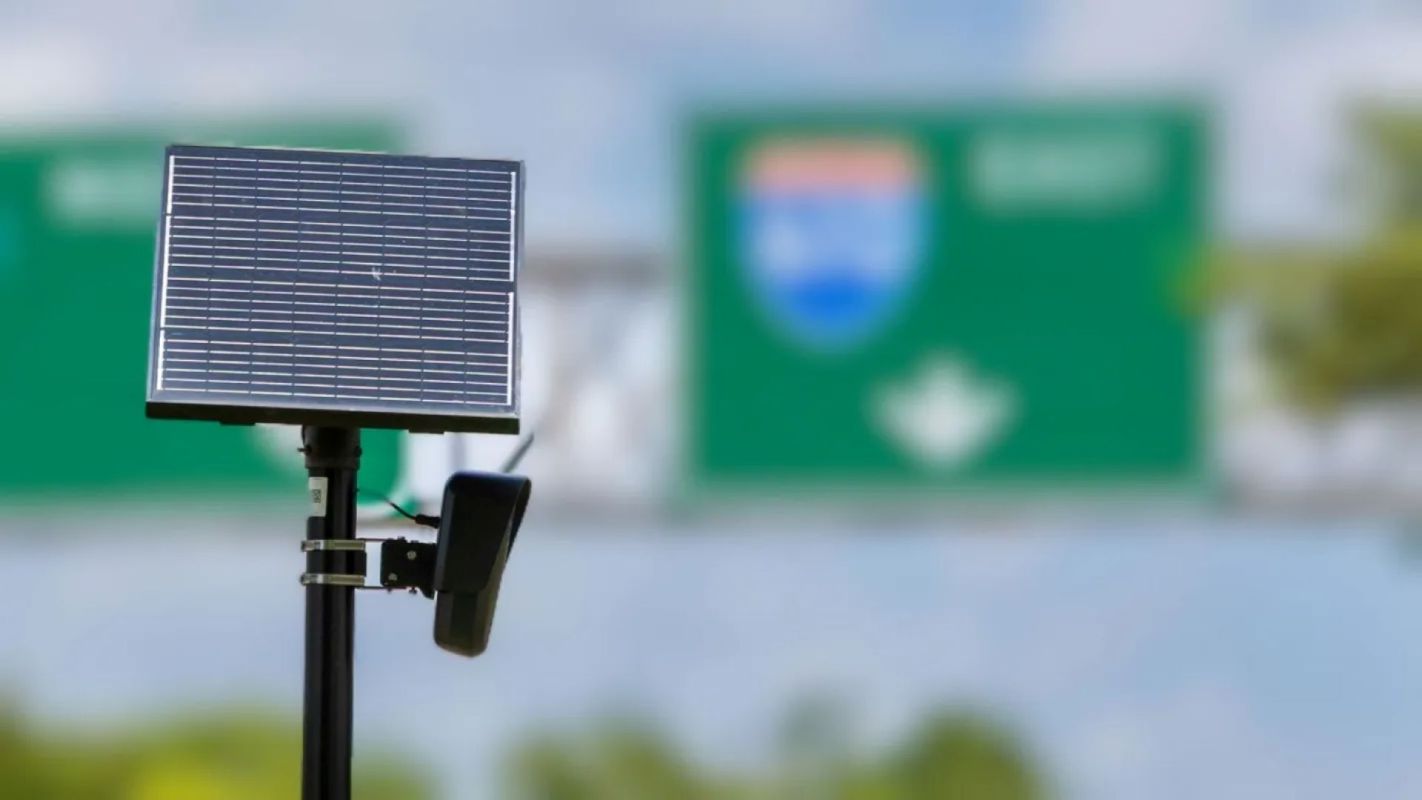
A Florida sheriff's deputy in Brevard County who had been celebrated as "Deputy of the Year" is no longer on the force after investigators found he misused a license-plate reader system to look up his ex-girlfriend's tag.
Here's what to know
According to News 6, Michael Fultz, a former Brevard County Sheriff's Office deputy, searched his ex-girlfriend's tag in the agency's Flock camera license-plate reader system before his shift and logged the search as being for "investigation" purposes. He resigned on May 27 as the agency was preparing to fire him for "egregious misconduct."
The review that led to the investigation was prompted by an email from Fultz's ex-girlfriend, sent to the sheriff's office when he was honored at the agency's annual awards ceremony.
"My intention in providing this information is not to pursue personal retaliation but to ensure the agency is aware of conduct that, in my understanding, may conflict with departmental policies or professional standards," she wrote.
The investigation also covered other conduct Fultz acknowledged, including racist slurs in text messages, inappropriate behavior during a FaceTime call from his patrol car, and dangerous speeding while off duty. Records show a Florida Highway Patrol trooper stopped his motorcycle in February after clocking him at 111 mph, but he was given only a civil citation.
More background
Before resigning on May 27, Fultz had received public praise from the sheriff's office following a fatal shooting involving a suicidal man who rushed at him with a knife.
TCD Picks » Quince Spotlight
💡These best-sellers from Quince deliver affordable, sustainable luxury for all




At the ceremony, the agency played a video that said, "Tonight we are proud to recognize an individual who, when faced with an immediate and life-threatening crisis, acted with profound courage and professional poise. Deputy Fultz's decisive actions and extraordinary restraint under extreme pressure undoubtedly saved the life of a frightened mother while also protecting himself from grave harm."
While this case centers on a license-plate reader search, law enforcement agencies are increasingly relying on connected databases and, in some instances, AI-assisted systems to process large amounts of information.
These tools can provide benefits, including optimizing traffic patterns and supporting cleaner, more efficient energy systems, but they also come with trade-offs. Data centers require large amounts of electricity and water, while digital systems can introduce security vulnerabilities, misuse risks, and ripple effects such as higher energy costs for communities.
What's being done?
The sheriff's office opened an administrative investigation that included auditing the Flock system, reviewing images and messages, and documenting multiple policy concerns. That investigation was completed in May, and after Sheriff Wayne Ivey moved to terminate Fultz, Fultz resigned instead.
In a memo to Fultz, Ivey wrote, "The nature and severity of your misconduct has irreparably damaged the trust required to perform the duties of a deputy sheriff, and present an unacceptable risk to you, citizens, operations, reputation, and potential liability for the Brevard County Sheriff's Office."
Where can I learn more?
Fultz's use of a searchable camera database touches a much bigger debate over digital tools that can help agencies and communities but also create privacy, security, and cost concerns when oversight is weak. The stories below show how that tension is playing out in fights over AI infrastructure and efforts to use algorithms more responsibly.
• In Alachua, residents warned a rumored AI data center could consume 1.5 million gallons daily.
• In Texas, communities feared AI data centers could drain water and raise power bills.
• Across the US, backlash grew as AI's security concerns collided with job and utility fears.
Each of these stories points back to the same issue raised by the Flock search: who benefits from powerful digital systems, and who ends up carrying the risk when safeguards break down. It also shows why audits, access controls, and public accountability matter well before any one misuse case comes to light.

Get TCD's free newsletters for easy tips, smart advice, and a chance to earn $5,000 toward home upgrades. To see more stories like this one, change your Google preferences here.






