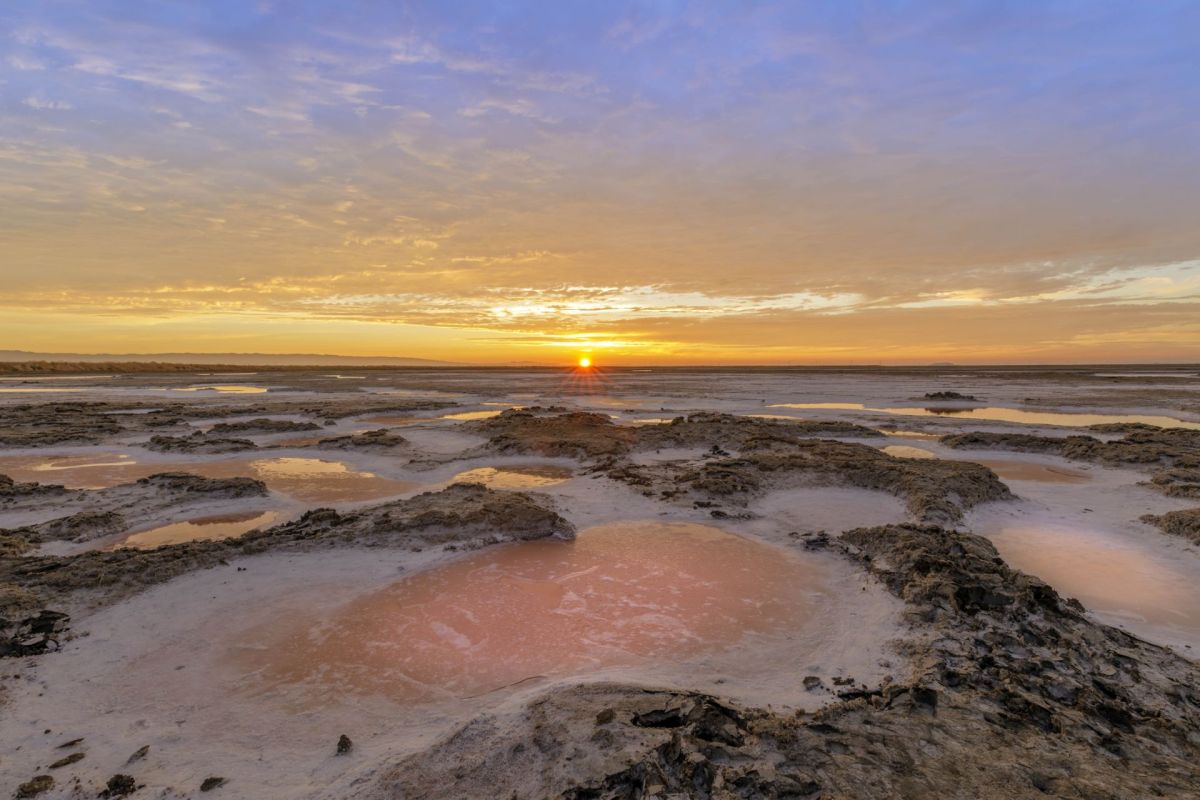
A long-running flood-control strategy for the Carpinteria Salt Marsh Reserve in Santa Barbara County received renewed state approval, allowing county officials to continue managing sediment buildup and restricted water flow in a sensitive coastal area where those problems can increase flood concerns.
The California Coastal Commission voted unanimously Aug. 13 to sign off on a five-year maintenance program for the marsh.
Here's what to know
Routine work authorized under the plan includes sediment removal, openings of the marsh mouth when conditions require it, and upkeep in the southern reach of the drainage network, according to Noozhawk. The area covered is the 250-acre marsh just outside Carpinteria city limits.
Walt Deppe, an environmental scientist for the commission, said the plan brings together three measures the agency had approved separately in various forms over the years.
Staff said a dredging event would typically occur every five to 10 years, though annual work would be allowed if conditions warrant it. Each project would take roughly 3,000 to 6,000 cubic yards of sediment from Franklin and Santa Monica creeks and the Main Marsh Channel, the outlet noted.
County officials will also have a broader set of methods available. Along with dragline dredging, the approval allows hydraulic dredging in the marsh's upper and lower channels. Noozhawk reported that this technique had previously been reserved for emergencies.
TCD Picks » Quince Spotlight
💡These best-sellers from Quince deliver affordable, sustainable luxury for all




More background
Because the marsh serves as both flood infrastructure and sensitive habitat, upkeep there involves trade-offs. Sediment-clogged channels and sandbars can reduce circulation and increase the chance of flooding.
Commission staff said a sandbar at the mouth has been linked to low dissolved oxygen levels. That means opening the mouth moves water through the system and improves its condition.
Nearby communities can feel the effects of the maintenance work. In a letter to the commission cited by Noozhawk, Carpinteria Community Development Director Nick Bobroff said the city was "generally supportive" of the proposal but also concerned about traffic, noise, and other impacts from trucking.
Before any work starts, commission staff said, affected nearby areas will be given a pre-operation plan. The Santa Barbara County Flood Control District also must obtain every required approval.
What's being done?
The five-year approval is intended to let officials act earlier, before worsening flood threats or water-quality problems force a response. Instead of depending on separate emergency measures, the county now has an ongoing process for routine maintenance as channels begin filling with sediment.
Noozhawk reported that the commission also cleared a county flood control-funded scientific study to be carried out with the Southern California Coastal Water Research Project. Staff said the results are expected to guide future choices about sediment management there.
"The city looks forward to continuing to work collaboratively with the California Coastal Commission and Santa Barbara County Flood Control District to protect the Carpinteria community from flooding while also protecting the Carpinteria Salt Marsh, Carpinteria City Beach, coastal resources, and public recreational opportunities," Bobroff told the commission.
Where can I learn more?
Carpinteria's renewed maintenance plan is part of a much bigger conversation about how communities protect shorelines, wetlands, and habitat as climate pressures build. Elsewhere in Southern California and across the country, sea level rise, federal wetland policy, and conservation efforts are shaping those choices.
• In Southern California, the grim future of beaches is adding pressure to coastal access planning.
• Across the U.S., protections for over three million acres are strengthening coastal wetlands and flood resilience.
• In California, major unforeseen benefits of the Marine Life Protection Act are reshaping conservation expectations.
These articles add context to the Carpinteria decision, which reaches beyond a routine dredging timeline. They underscore how habitat protection and long-term coastal planning overlap.

Get TCD's free newsletters for easy tips, smart advice, and a chance to earn $5,000 toward home upgrades. To see more stories like this one, change your Google preferences here.