


In West Virginia, scrutiny of Flock Safety is growing after a legislative hearing on its license plate-reading cameras prompted fresh concerns about both data protection and access to the information they collect.
For legislators, the central questions are who can view the footage and whether the company's safeguards are as strong as described.
Here's what to know
After hearing from Kevin Kane, Flock's government affairs director, several West Virginia lawmakers said they were left wanting more answers, according to a televised report from WCHS, shared on YouTube.
One flashpoint from the August interim meetings involved Kane's testimony that two-factor authentication had been in place for "a long time," State Delegate Tristan Leavitt (R-Kanawha) said. Yet, a recent Flock blog post appeared to show the measure was added only days before the hearing, raising fears that lawmakers were given an overly reassuring picture of Flock's security.
"This meeting gave me many more concerns about Flock," Leavitt told WCHS, adding: "I think the questions that I had were not well-answered. The witness did not have good information or didn't have answers to all the questions."
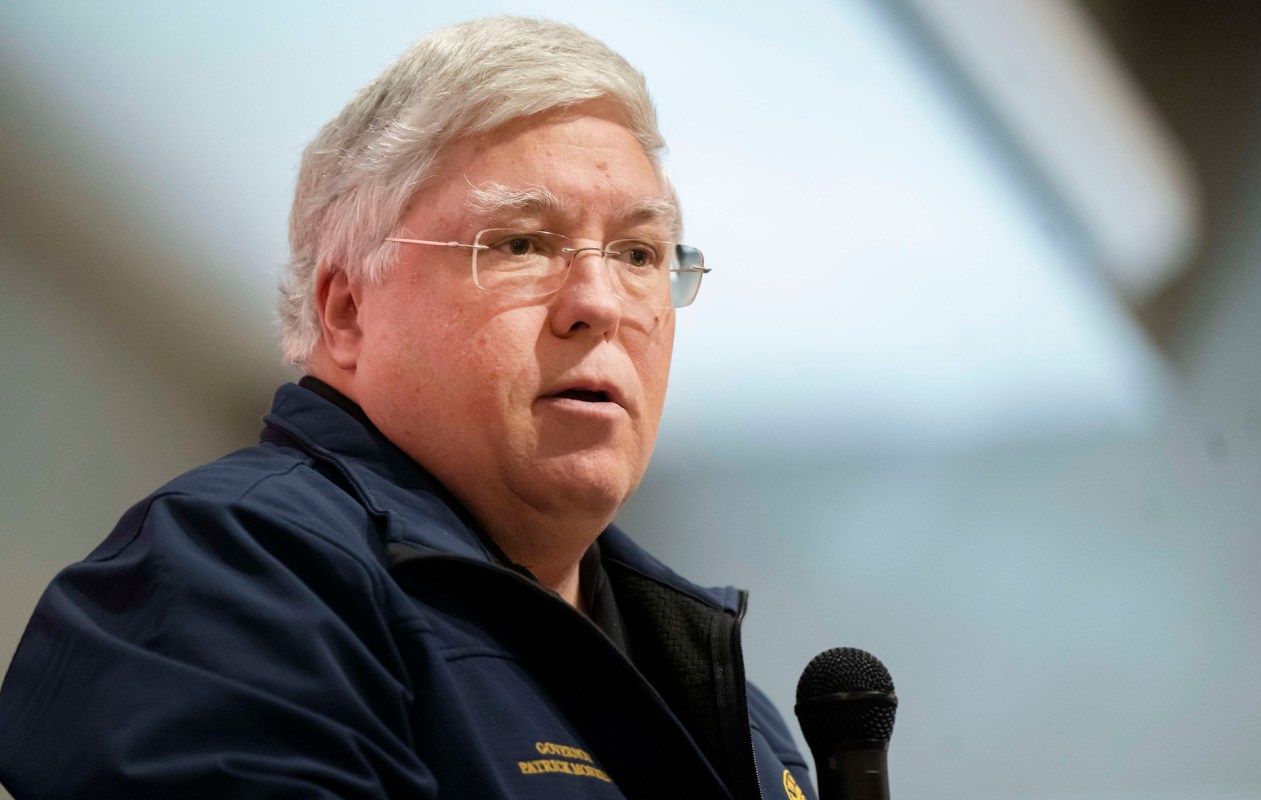
Governor Patrick Morrisey said he is concerned as well, explaining at a press conference: "I'm a big believer in the Fourth Amendment. I care deeply about privacy, and some of what I've read in that testimony sounded problematic."
TCD Picks » Quince Spotlight
💡These best-sellers from Quince deliver affordable, sustainable luxury for all




The legislators' follow-up demands focus on reported security issues, how Flock shares data, and how tightly employee access is limited, particularly because the cameras can capture sensitive sites and reveal patterns in people's daily travel.
More background
Flock's cameras are marketed as tools to help fight crime, but across the country, its license plate reading cameras have also raised privacy concerns. License plate readers do not just capture suspected criminal activity; they can also record the routines of parents, workers, children, and anyone else traveling through a neighborhood.
Now, West Virginia officials are moving toward a broader review of the company's role in the state. Leavitt said he plans to introduce legislation focused on Flock, and Morrisey said he expects the matter to surface on the legislative agenda.
Before deciding whether new restrictions are needed on surveillance technology or on access to footage, lawmakers want records and more adequate explanations from Flock.

Get TCD's free newsletters for easy tips, smart advice, and a chance to earn $5,000 toward home upgrades. To see more stories like this one, change your Google preferences here.






