


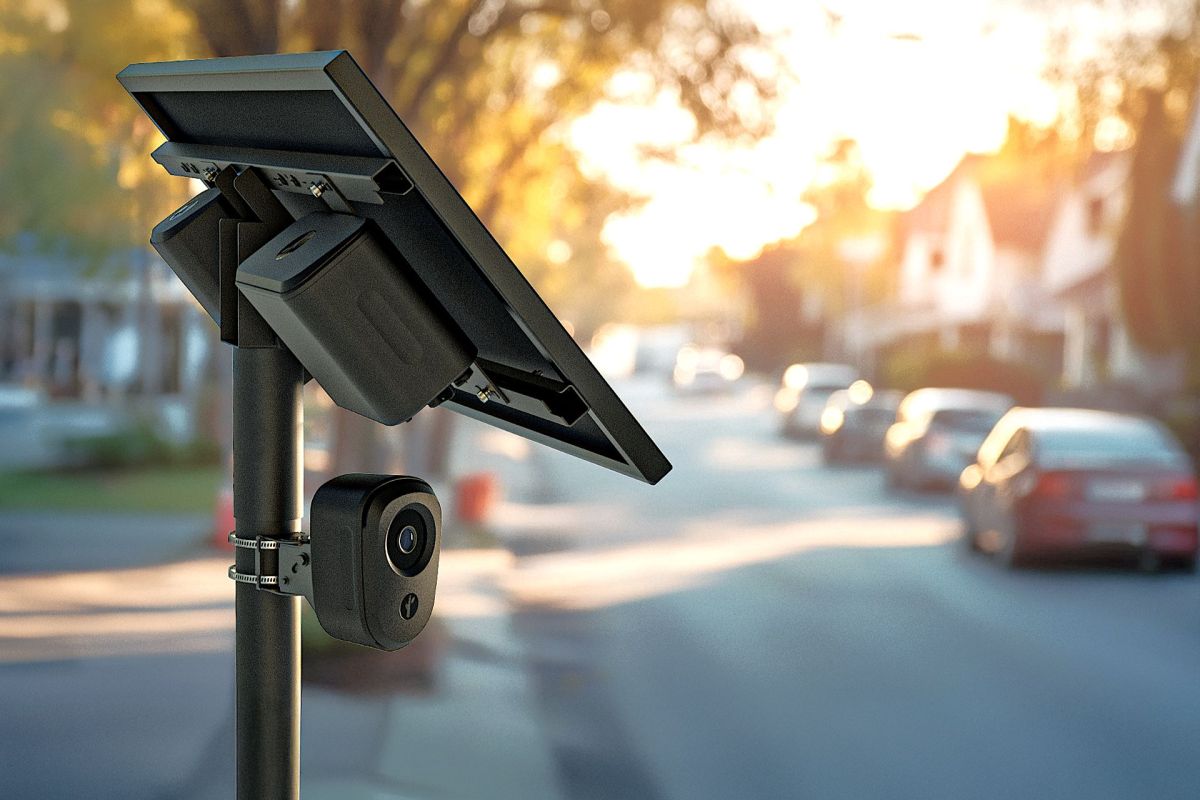
A request for answers about a controversial surveillance system in Northern Virginia got a punchline instead.
When Flock Safety was asked to comment on privacy concerns tied to its camera network in the region, the company's shared response did not address data collection, oversight, or public accountability.
Here's what to know
In his post on X, user James Libresco said he had asked Flock Safety to respond to privacy concerns involving what he called the company's "expansive Northern VA camera network."
He wrote, "I reached out to Flock Safety for comment on privacy concerns ... This is what I got back." He also shared an email response that he said was sent to multiple outlets.
I reached out to Flock Safety for comment on privacy concerns with their expansive Northern VA camera network. This is what I got back. pic.twitter.com/kTW4gwpLXJ
— James Libresco (@james_libresco) August 19, 2026
The Flock team wrote, "Thanks for reaching out to Flock. Our media team is currently touching grass and taking a break. Unlike our cameras, we can't work 24/7, so we'll get back to you when we've had a snack and regained the ability to form coherent sentences."
There have been countless questions raised about Flock's AI-powered license plate readers, including what is being recorded, who can access it, how long that information is stored, and what safeguards exist if and when mistakes are made.
TCD Picks » Quince Spotlight
💡These best-sellers from Quince deliver affordable, sustainable luxury for all




For a company operating a broad surveillance footprint, treating those questions lightly comes across as dismissive. Even people who support this safety technology should expect serious, transparent communication when the subject is privacy.
More background
Camera networks can shape everyday routines in ways many people may not immediately notice.
A person commuting to work, visiting a doctor, attending a religious service, or stopping by a school could be captured as part of routine traffic movement. That person and their vehicle can then be cataloged into a digital system for monitoring.
Massive video monitoring networks, including Flock's, can generate large volumes of vehicle data. The broader a network becomes, the more important it is for companies to communicate in plain language about limits, protections, and oversight.
Public trust often depends not only on the technology itself, but also on how openly companies and partners explain its use.
In that context, a flippant media response can fuel suspicion rather than confidence. If a company appears unwilling to engage clearly with legitimate questions, critics may see that as a sign that accountability is taking a back seat to expansion, an idea that millions of Americans agree with.

Get TCD's free newsletters for easy tips, smart advice, and a chance to earn $5,000 toward home upgrades. To see more stories like this one, change your Google preferences here.







