


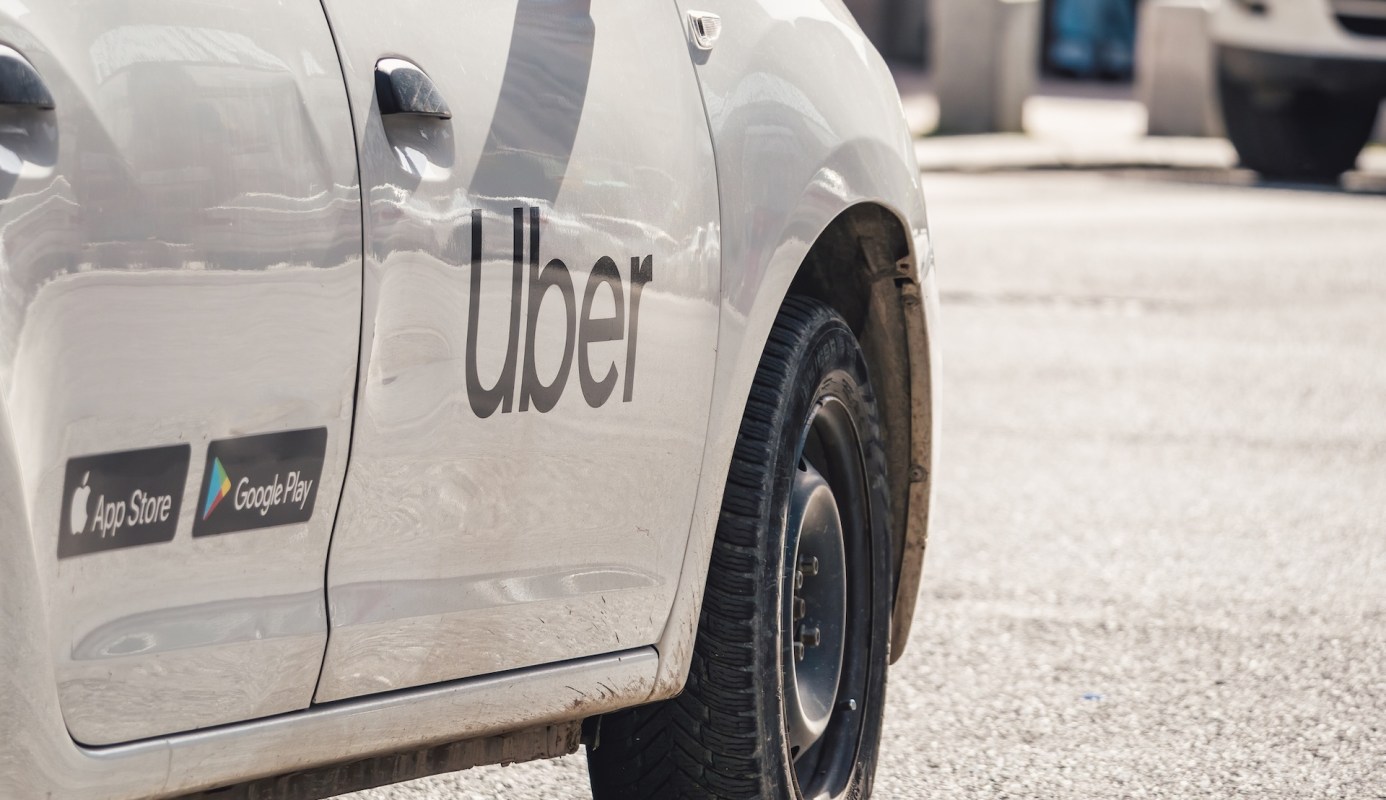
A document from surveillance company Flock revealed that the company pitched using dash cameras installed in Uber and Lyft vehicles for its surveillance network, according to 404 Media.
What happened?
According to a presentation shared with 404 Media, Flock wanted dashcams installed in hundreds of thousands of Uber, Lyft, and delivery vehicles in Georgia. They would scan plates as drivers moved through their normal routes.
"Hundreds of Commercial Business and Home Owners Association in GA are part of the network. Plus Nexar partnership which includes 350k Uber/Lyft and other delivery service devices," the presentation said, as reported by 404 Media.
404 Media reported it received Flock's presentation from Jason Hunyar, a Georgia resident who obtained it through a public records request. The presentation was originally for Georgia's attorney general's office.
Flock told 404 Media by email that it "never executed the partnership with Nexar."
Had the proposal moved forward, Flock's surveillance network could have expanded beyond stationary cameras mounted on poles to include hundreds of thousands of mobile cameras.
TCD Picks » Quince Spotlight
💡These best-sellers from Quince deliver affordable, sustainable luxury for all




Why is this concerning?
If this partnership went through, especially if the companies involved didn't make their intentions transparent, it would've been a massive breach of privacy for many people. It is also unclear whether drivers would have known their vehicles might be used to gather plate data.
This kind of data becomes especially sensitive once it is collected. As 404 Media reported, a Nexar hack in September exposed terabytes of customer dashcam video, including recordings made near Department of Defense locations.
A larger mobile plate-scanning network could have presented an even more attractive target for misuse or theft. There are also several cases across the U.S., according to Newsweek, of police officers misusing Flock equipment. This is especially true in Georgia.
What's being done?
While the partnership never happened, the proposal was still serious enough to be presented to a state attorney general's office.
This is also a great example of the power that an everyday person has to create accountability. Hunyar's request brought the plan into public view before it could happen.
Companies like Flock shouldn't be creating situations like this in the first place, and at the same time, communities that create awareness around data use can keep their data safer.

Get TCD's free newsletters for easy tips, smart advice, and a chance to earn $5,000 toward home upgrades. To see more stories like this one, change your Google preferences here.






