


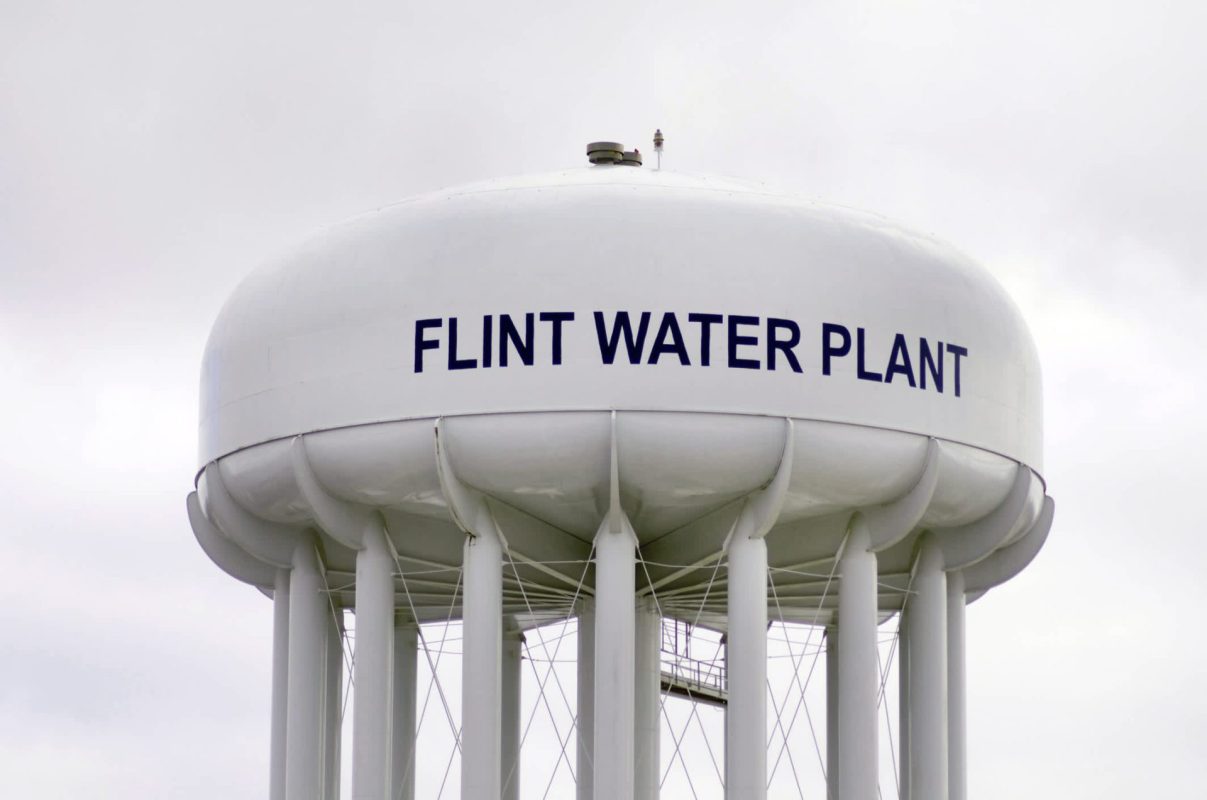
Flint, Michigan, officials say the city has satisfied the requirements imposed after years of litigation over lead service line replacement during its water crisis.
Even as the case nears its conclusion, restoring confidence among residents remains an unresolved challenge.
What happened?
On Thursday, Mayor Sheldon Neeley said Flint had completed the terms of a 2017 settlement over lead pipe replacement, bringing the long-running lawsuit to a close.
As Flint Beat reported, figures from the Natural Resources Defense Council show that nearly 11,000 lead pipes were replaced in 2025 and more than 28,000 affected properties were inspected.
Neeley said Flint had examined more than 31,000 service lines covered by the lawsuit and had fewer than 30 properties awaiting inspection because of difficulty obtaining owner consent.
The plaintiffs in the 2017 case were the NRDC, Concerned Pastors for Social Action, Flint resident Melissa Mays, and the American Civil Liberties Union, the outlet reported.
TCD Picks » Quince Spotlight
💡These best-sellers from Quince deliver affordable, sustainable luxury for all




Flint had agreed to complete the replacements by January 2020, but the deadline was extended multiple times.
In 2024, those missed deadlines led U.S. District Judge David M. Lawson to hold the city in contempt, writing that Flint had "no good reason" for failing to meet court-ordered milestones.
Even now, Neeley acknowledged, per Flint Beat, "We still have some work to do."
Why does it matter?
For Flint residents, the end of the lawsuit does not erase years of fear, health concerns, and frustration tied to contaminated drinking water.
Neeley said Flint had met lead water safety standards for the past six years and continues testing every six months under oversight from the U.S. Environmental Protection Agency and the Michigan Department of Environment, Great Lakes, and Energy.
Still, residents and advocates have made clear that official compliance does not necessarily bring closure.
"We made it this far because of the tenacity of Flint residents, who never gave up fighting for safe drinking water," Mays, of Water You Fighting For, said, per Flint Beat. "While the legal obligations have ended, there is no doubt that the community will be watching and holding our officials accountable to the law."
What's being done?
City officials said support programs tied to the crisis will continue even after the lawsuit ends.
Residents will still be able to get filtration systems, and the city said water testing will continue as well.
Flint Public Health Manager Shebra Ward said residents can pick up filters during regular business hours at Flint City Hall, the Mays Senior and Community Service Center, and the McKinley Community Center.
Ward said the state has supplied 900 filtration systems and about 100,000 filter refills, Flint Beat reported.
Michigan has also provided Flint with roughly $25,000 to cover new filter inventory over the next two years.
For the small number of homes still awaiting inspection, one remaining step is giving crews access so the city can complete the work and close the final gaps in the record.
"We want residents to know we are still here to offer support," Ward said. "You are not alone in this fight. We've come a long way, and we know we have a long way to go."

Get TCD's free newsletters for easy tips, smart advice, and a chance to earn $5,000 toward home upgrades. To see more stories like this one, change your Google preferences here.






