


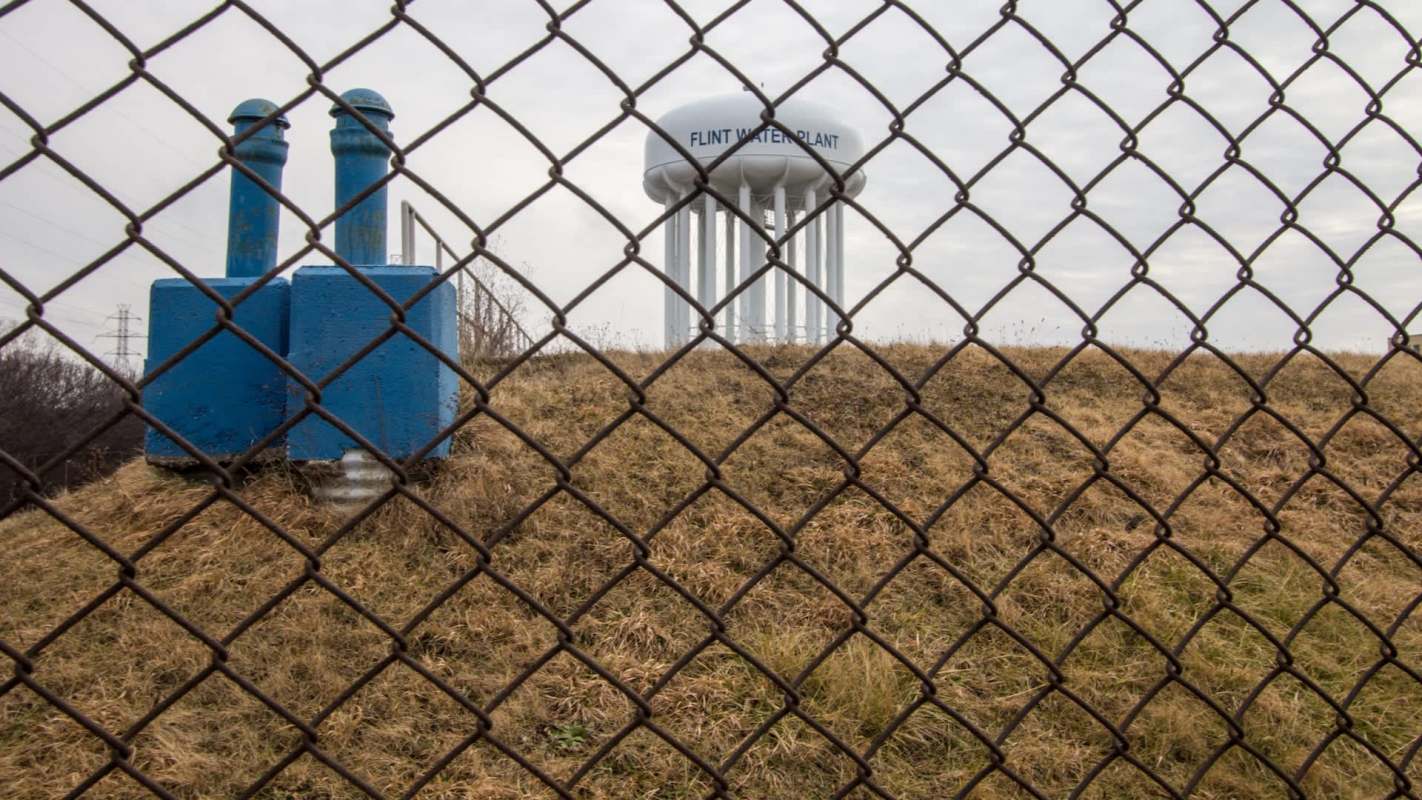
Flint officials are considering pausing new data centers for a year as residents ask basic but urgent questions about how much water these facilities would use, what health risks they may pose, and who gets to decide what happens next.
WNEM reported that the proposal comes at a particularly sensitive moment for a city still living with the legacy of its water crisis, making transparency and public trust central to the debate.
What's happening?
At its 6 p.m. meeting in the council chambers at City Hall, the Flint City Council will consider whether to put data center projects on hold for 12 months, WNEM noted. The network added that the proposal would pause new construction, permitting, and expansion while the city studies the issue and develops a plan.
Councilwoman Tonya Burns told WNEM that the temporary pause is intended to give Flint time to assess what a potential data center could mean for the city and to ensure residents are part of that process.
She pointed to the Buick Site as one location that may already have some of the infrastructure needed, in comments to WNEM.
"Buick Site is one of five sites that can actually handle the water usage because we have a pipe that we're not using," she said to the station.
TCD Picks » Quince Spotlight
💡These best-sellers from Quince deliver affordable, sustainable luxury for all




Burns also said the site may already have electrical capacity.
"A lot of people don't know that on that Buick Site there's a powerhouse that was not demoed," Burns relayed to WNEM. "So, it is still there."
Why does it matter?
Data centers have become a hot-button issue in communities across the country because they can bring investment and jobs while also requiring large amounts of water and electricity.
That tension is especially sharp in Flint, where residents remain deeply sensitive to decisions involving water systems and public health. For Burns, having the infrastructure to support a facility does not answer the broader concerns.
Burns laid out the issues to WNEM: "But we have to look at the part are these dangerous to our community? What are the health risks? What are the studies? What are the regulatory laws? And people have not received that information."
The discussion also reflects the growing connection between AI and the energy grid. Many data centers support cloud computing and AI tools, which can help optimize clean energy systems and improve forecasting for electricity demand.
At the same time, those facilities can consume significant amounts of electricity and water, raising concerns about utility costs, grid strain, security, misuse, and other unintended consequences if growth outpaces planning.
In Flint, those broader concerns are colliding with a very local question of whether residents have enough information to weigh the benefits against the risks before any project moves forward.
What's being done?
If approved, the proposed moratorium would give the city time to review potential impacts, gather public input, and determine which rules or safeguards may be necessary.
Burns told WNEM that after she asked residents to weigh in, she received an unusually high number of calls.
For Burns, public involvement is a major part of the issue. In a city still recovering from broken trust, the process itself remains central to the debate.
"There was not a public hearing for this, and there should be," Burns concluded to WNEM.

Get TCD's free newsletters for easy tips, smart advice, and a chance to earn $5,000 toward home upgrades. To see more stories like this one, change your Google preferences here.






