


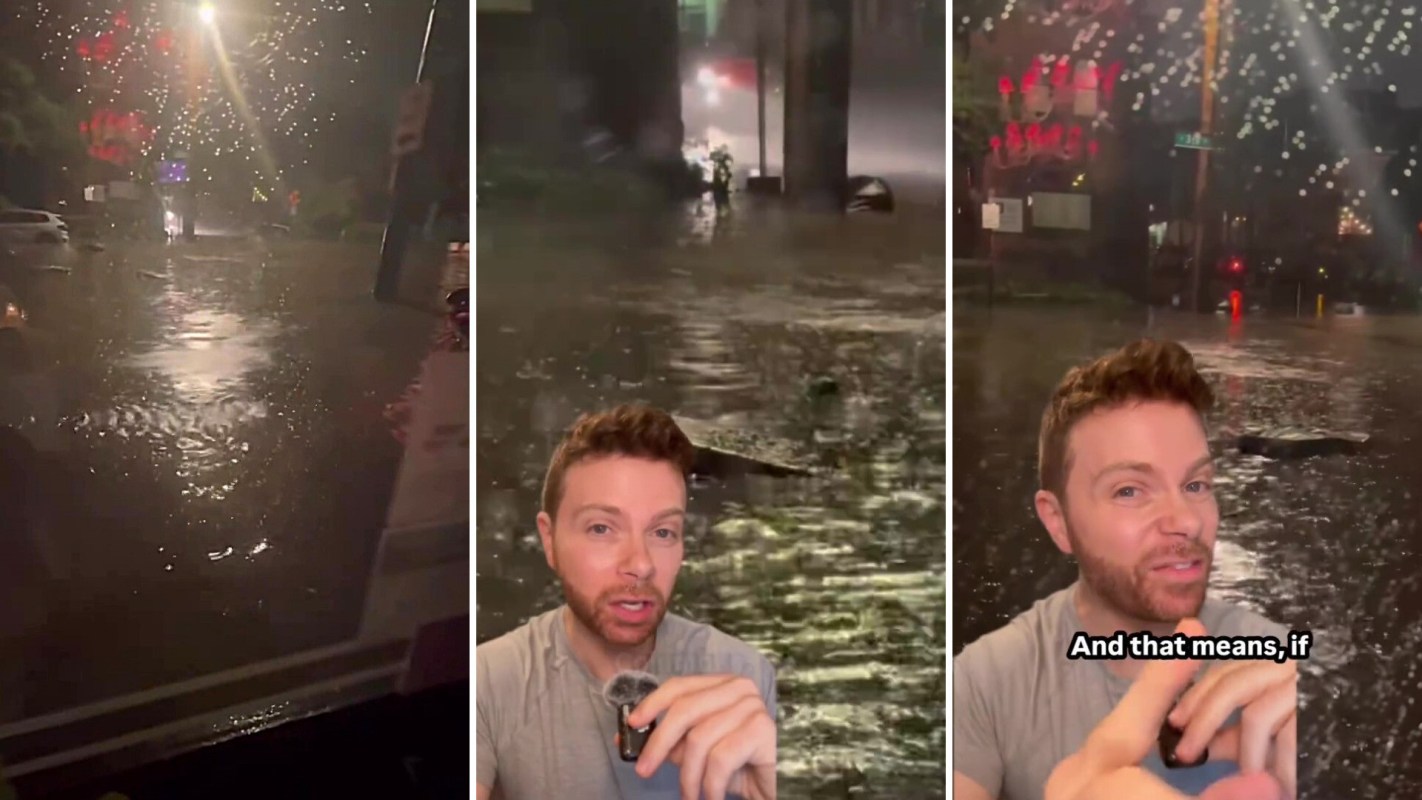
Within minutes, muddy floodwater swallowed cars in a historic neighborhood in Columbus, Ohio, underscoring how suddenly flash flooding can become dangerous.
Video shared by CBS News meteorologist Andrew Kozak captures German Village after flooding rain surged through, leaving stranded vehicles nearly submerged and street surfaces out of sight.
Here's what to know
Kozak posted the clip to TikTok, crediting Tim and Jacob from @onlyincbus, and used the footage as a warning against dismissing flood alerts.
@andrewkozaktv This is what flash flooding can look like in a matter of minutes. 😳 Cars underwater. Streets completely gone. And THIS is why you never ignore a Flash Flood Warning. Would you know what to do if this happened in your neighborhood? 🎥 @onlyincbus #FlashFlood #Flooding #ColumbusOhio #WeatherTok #Weather ♬ original sound - Andrew Kozak
"This is what flash flooding can look like in a matter of minutes," he said. "Cars underwater. Streets completely gone. And THIS is why you never ignore a Flash Flood Warning."
Mentioning that he once lived in Columbus, Kozak described German Village as "a beautiful historic neighborhood with some homes over 180 years old." He said flash-flood warnings deserve the same level of seriousness as tornado and severe thunderstorm alerts.
Kozak said, "More than half of flood related drowning happen when somebody drives into flood waters."
TCD Picks » Quince Spotlight
💡These best-sellers from Quince deliver affordable, sustainable luxury for all




He added that "just six inches of fast-moving water can knock you off your feet" and "12 inches can carry away a car."
Several commenters said flooding of that scale is not entirely unfamiliar in the area.
One user said: "Yep. German Village floods like this every two to three years. It's why the Book Loft smells like mold all the time."
Another commenter said, "We just redid Saint Mary church basement from last flood, we just got called we have to redo the work lol."
Urban flash flooding can escalate especially fast when heavy rain falls on paved streets, parking lots, and dense neighborhoods that cannot absorb water quickly enough.
Kozak said the key difference between a flood watch and a flood warning is timing: a watch means people should prepare because conditions are favorable, while a warning means it is time to act.
That can include avoiding low-lying roads, delaying travel, moving vehicles to higher ground, and keeping phones charged in case conditions worsen. Drivers should never assume they can judge the depth or speed of water from inside a car, especially at night or when road markings are no longer visible.

Get TCD's free newsletters for easy tips, smart advice, and a chance to earn $5,000 toward home upgrades. To see more stories like this one, change your Google preferences here.







