


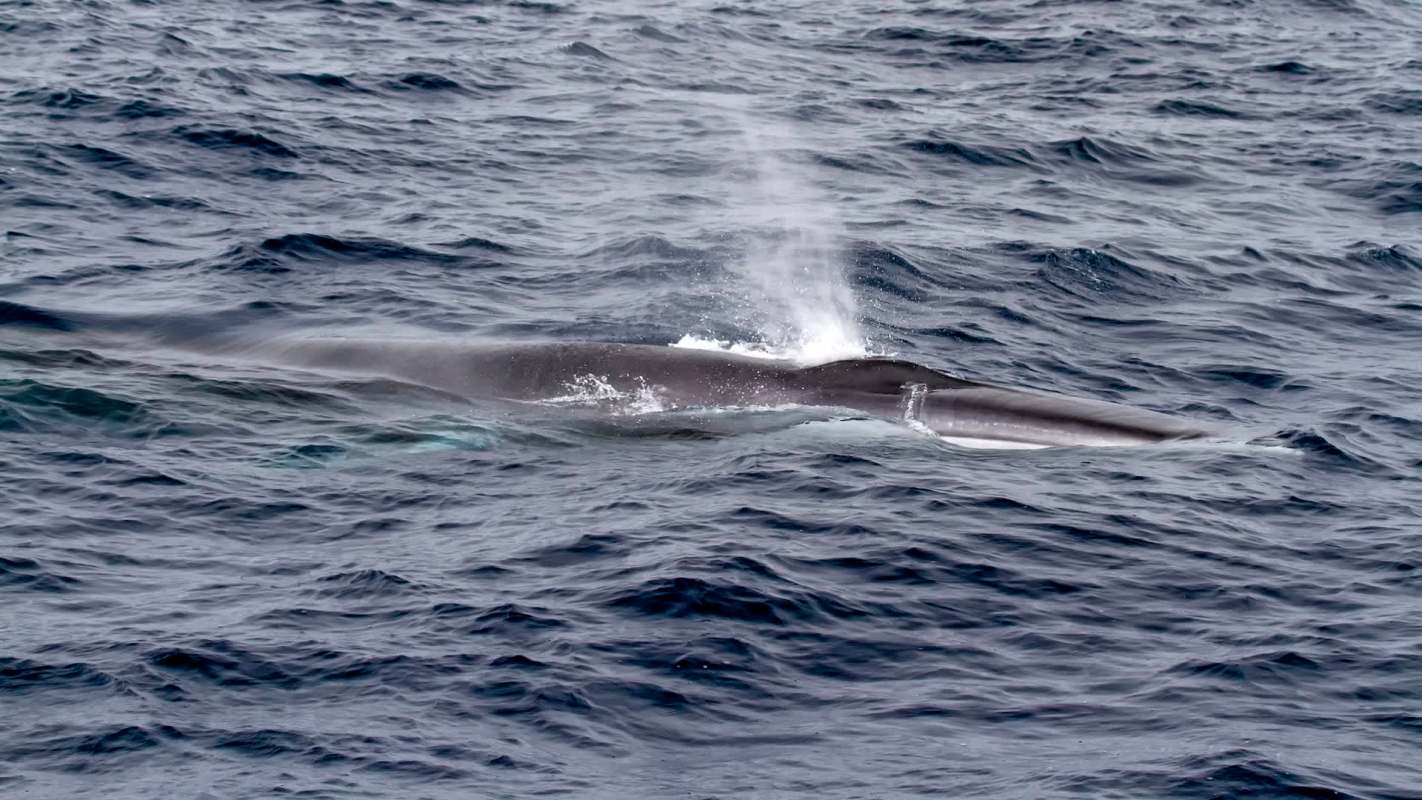
A dead fin whale was lodged on the bow of a cruise ship when it reached Seward, Alaska, highlighting the danger marine wildlife can face along busy shipping routes.
According to a KTUU News report, NOAA Fisheries said the whale arrived on June 19 and identified it as a 61-foot-long adult female. Federal officials believe it may have been pregnant, and scientists are investigating the circumstances of the case.
What happened?
After the ship named the Ovation of the Seas reached Seward, officials found the whale on the bow of the Royal Caribbean Group vessel and towed it to a nearby beach for a necropsy, KTUU reported.
NOAA and the Alaska Sea Life Center are carrying out the examination, and early observations led the agency to say the whale may have been pregnant.
In a statement to KTUU, Royal Caribbean said it is cooperating with federal authorities and waiting for the necropsy results. The company said, "We are saddened to hear that one of our ships struck a whale while on its way to Seward. We take any impact to marine ecosystems very seriously."
NOAA has asked the public to stay away from the area while teams gather samples, and the agency's Office of Law Enforcement is continuing an investigation, KTUU reported.
TCD Picks » Quince Spotlight
💡These best-sellers from Quince deliver affordable, sustainable luxury for all




Why does it matter?
Fin whales are listed as endangered. If the whale was pregnant, the incident could represent the loss of two animals at once — a serious setback for a species that has spent decades struggling to recover.
The incident reflects a broader challenge for coastal communities: balancing tourism and shipping activity with the protection of marine ecosystems. Alaska's waters support wildlife, recreation, local jobs, and cultural traditions.
Healthy oceans help sustain fisheries, tourism economies, and the natural beauty that draws people to places such as Seward.
Ocean traffic can overlap with whale migration routes, particularly in regions where whales and major vessel routes share the same waters.
What's being done?
A full necropsy by NOAA and the Alaska Sea Life Center is intended to establish the whale's condition, determine whether it was pregnant, and examine what its injuries may show about the strike.
According to Royal Caribbean, the ship reported the incident right away, and the company is now cooperating with NOAA.
While sample collection continues, NOAA is telling people not to interfere with the site and warned that "it is illegal for anyone to collect tissue, baleen or any part of the whale, unless you are an Alaska Native collecting tissue or parts for subsistence or use in handicrafts."
Beyond this case, wildlife advocates and regulators often look to better monitoring, reporting, and route management to reduce the chances of future ship strikes.

Get TCD's free newsletters for easy tips, smart advice, and a chance to earn $5,000 toward home upgrades. To see more stories like this one, change your Google preferences here.






