


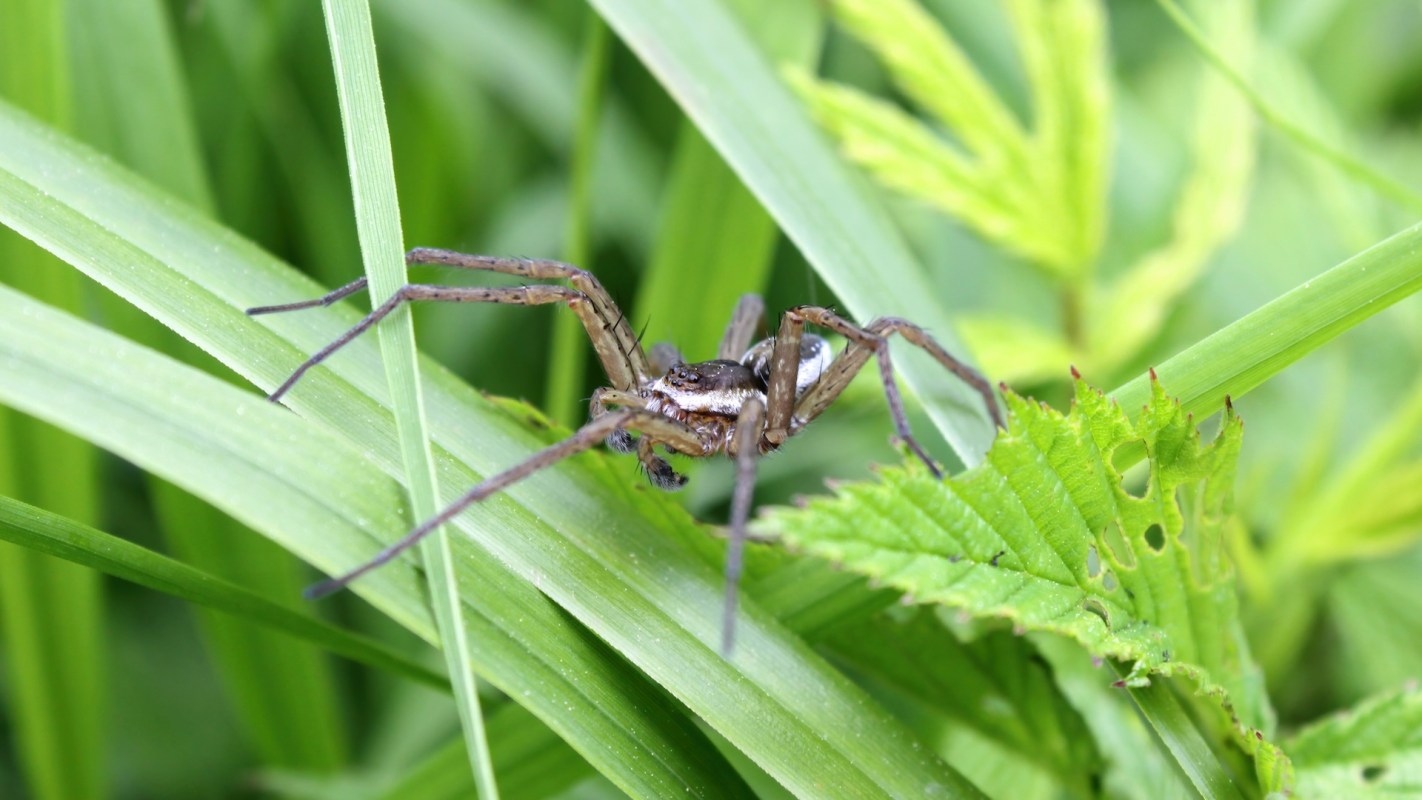
The United Kingdom's biggest spider is making a comeback after sustained habitat restoration.
Here's what to know
After coming close to vanishing, the fen raft spider population has risen in Norfolk as wetland conservation efforts have proved successful, according to the Stowmarket Mercury.
The Chester Zoo (@chesterzoo) announced the "huge conservation news" on X. The post explained its collaborative breeding rescue program and how it revived the species by rearing hundreds of baby spiders in test tubes that were hand fed tiny flies with tweezers. Once they were strong enough, the spiders were returned to restored natural habitats by the hundreds.
Back in 2010, the fen raft spider was near extinction in the U.K. Now, in Norfolk alone, there are about 3,750 breeding females across 12 sites — a sharp change for a species once counted among the nation's rarest invertebrates. The zoo estimated there were 10,000 breeding females across the U.K. — the best year on record.
Though it looks big and scary, the spider is not venomous. The semi-aquatic species can sprint over the surface of water to hunt, feeding on prey that includes other spiders, damselflies, dragonfly larvae, fish, and tadpoles.
"The fen raft spider is one of the U.K.'s rarest invertebrates, and we are proud of the role our reserves and teams have played in its recovery," Tim Strudwick, site manager for the Royal Society for the Protection of Birds' Mid Yare nature reserves, told the Daily Mail.
TCD Picks » Quince Spotlight
💡These best-sellers from Quince deliver affordable, sustainable luxury for all




More background
The fen raft spider plays a vital role within healthy aquatic ecosystems. Strudwick said the "fairly shy" spiders "have an important role in maintaining the rich aquatic diversity found in the grazing ditches on our reserves." Because the species is one part of a larger wetland food web, its reappearance benefits other wildlife.
Biodiverse wetlands contribute to the health of surrounding ecosystems. They also allow communities to experience unique landscapes that can support local economies.
People are most likely to find these spiders in grazing marsh ditches from June through September. Strudwick said the meadow trail at Strumpshaw Fen offers one of the best opportunities to spot adult females along with their nursery webs.
What's being done?
RSPB efforts have fueled the species' recovery by supporting its reintroduction and safeguarding it through the restoration and management of the wetland areas it requires.
That has involved keeping up grazing marsh ditches and maintaining reserve conditions needed for breeding and hunting. The spider has also been recorded at another RSPB site in Norfolk, indicating that the rebound is spreading.
"We must continue to restore, manage, and protect the wetland habitats where the fen raft spider thrives to ensure the future of not just this species but many others too," RSPB ecologist Jane Sears told the Daily Mail.

Get TCD's free newsletters for easy tips, smart advice, and a chance to earn $5,000 toward home upgrades. To see more stories like this one, change your Google preferences here.






