


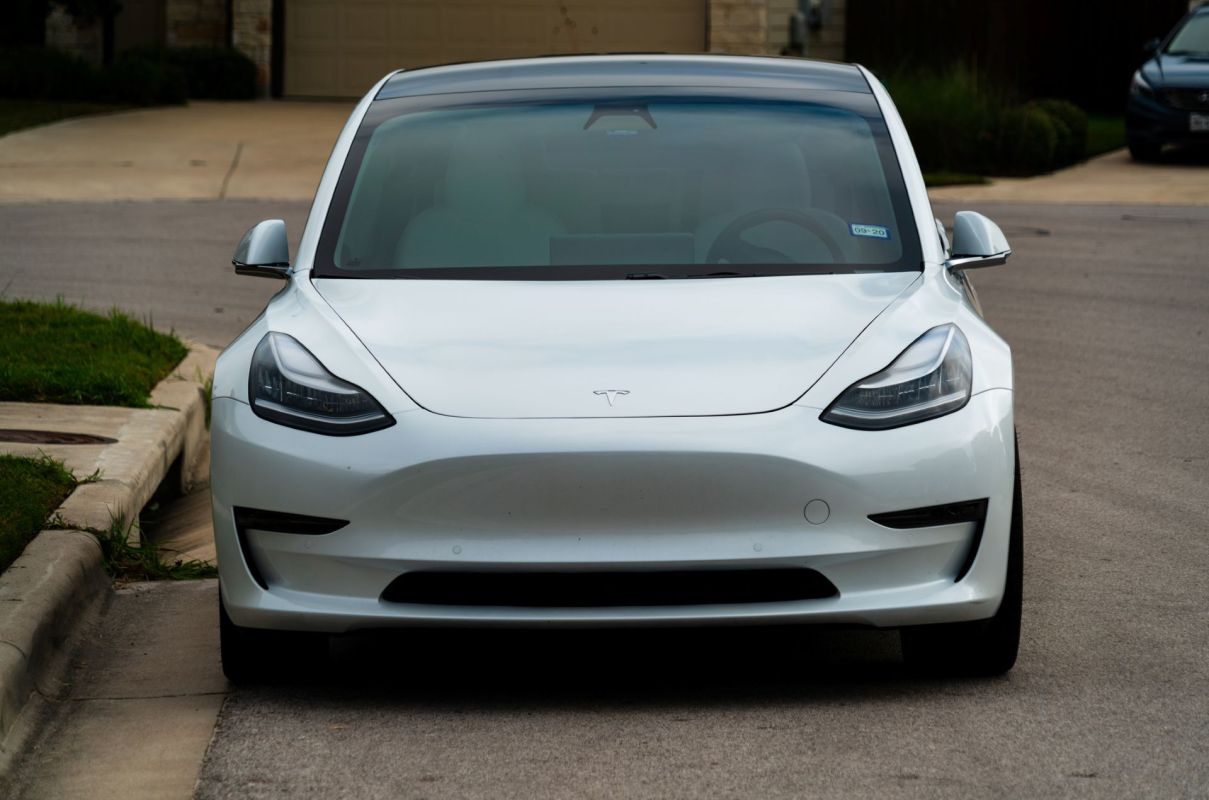
A new federal review is examining close to 1.2 million Tesla vehicles after owners described suspension problems that can appear without warning, intensifying safety questions and the prospect that some drivers could later need repairs.
According to an Office of Defects Investigation filing, the National Highway Traffic Safety Administration is looking at complaints involving 2018-2020 Model 3 sedans and 2021-2023 Model Y SUVs.
What happened?
Reuters reported that the agency launched the preliminary evaluation after receiving 156 complaints, with the review spanning about 1.2 million vehicles.
In the filing, regulators said the problem "involves the detachment of the front lower lateral link," a suspension component that helps keep the wheel assembly aligned and stable. Because that kind of failure could cause "a loss of vehicle directional control," as reported by The Verge, regulators are treating the matter as serious even though the probe is still in its early stages.
Most of the reports reviewed by the agency describe the failure happening with "no advance warning," although some complaints said noises were heard before the part gave way.
No crashes, injuries, or deaths have been tied to the issue so far. Since the review covers two of Tesla's highest-volume models, its findings could help determine whether the company later faces a recall or another corrective action.
TCD Picks » Quince Spotlight
💡These best-sellers from Quince deliver affordable, sustainable luxury for all




Why does it matter?
If a component tied to steering stability fails unexpectedly, drivers could be put in a dangerous situation during routine trips, from school drop-offs to highway commutes.
This is not Tesla's first suspension-related issue. In 2021, the company recalled 2,791 vehicles across the Model Y and Model 3 lineups over a possible suspension defect. Regulators later identified a separate Model 3 issue that led to another recall after they found that a "loose fastener could cause the lateral link to separate from the sub-frame."
Even so, the National Highway Traffic Safety Administration said the complaints in the current investigation do not appear to be connected to those earlier issues.
What's being done?
At this stage, the National Highway Traffic Safety Administration is gathering information rather than ordering a recall.
A preliminary evaluation typically helps regulators determine how widespread a problem may be, whether it creates an unreasonable safety risk, and whether a more formal engineering analysis is warranted.
While an investigation does not automatically mean every affected vehicle has the problem, it does signal that regulators believe the complaints warrant closer review.

Get TCD's free newsletters for easy tips, smart advice, and a chance to earn $5,000 toward home upgrades. To see more stories like this one, change your Google preferences here.






