


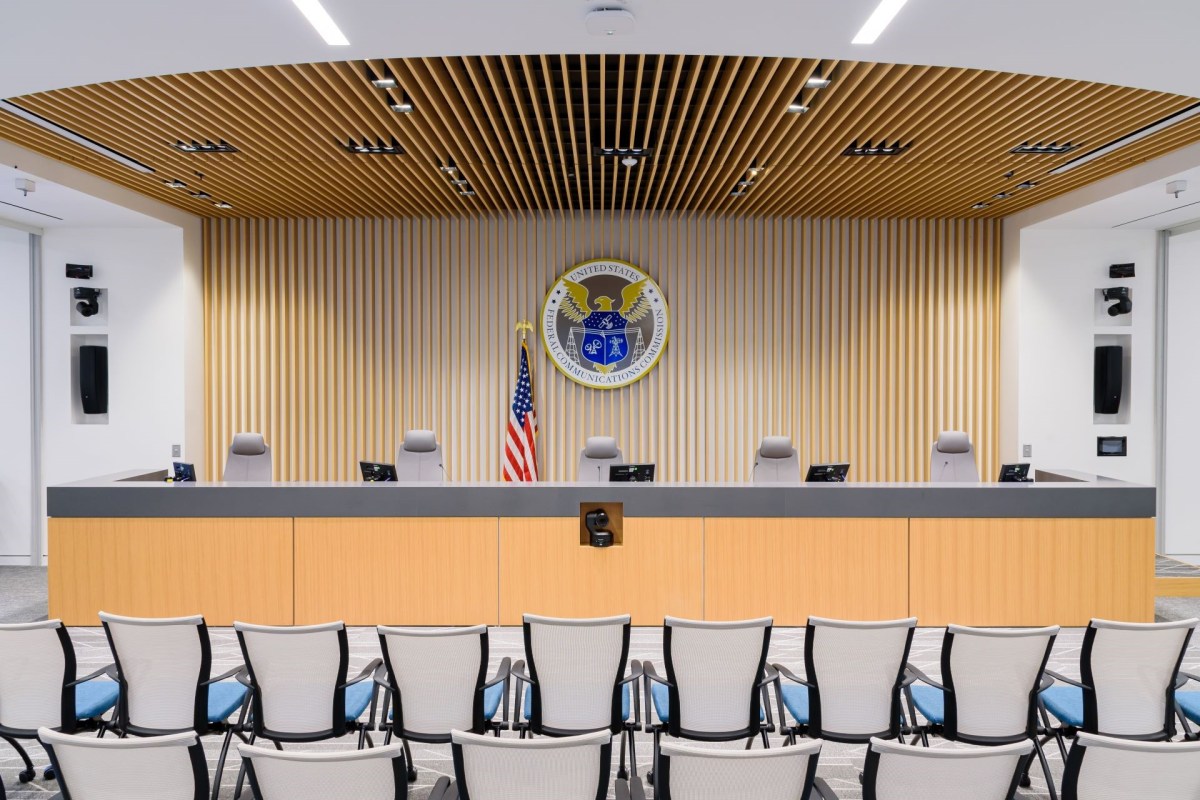
A quiet move by the Federal Communications Commission could shape the United States solar and battery market for years to come.
Here's what to know
On July 28, the FCC stopped new approvals for certain foreign-produced smart inverters while allowing already authorized models to continue being imported, sold, and installed.
For manufacturers bringing new products to market, the main effect is procedural. As PV Magazine reported, the FCC's Public Safety and Homeland Security Bureau placed foreign-produced power inverters on its covered list of equipment and services, cutting off equipment authorization for affected new foreign models with next-generation designs.
When the FCC clarified the policy on Aug. 20, it said the restriction reaches any covered communications pathway, whether wired or wireless, naming Ethernet, Wi-Fi, cellular, and Bluetooth. It also drew a line around UL 1741 utility-interactive inverters, excluding off-grid equipment and standalone rectifiers.
That distinction matters for project timing. Inverters that already carry valid FCC approval remain usable, which means many large solar builds may see little immediate impact. By contrast, development plans centered on brand-new foreign hardware are essentially stalled.
In other words, regulators are focusing on the cyber exposure created by remote-connectivity features in grid-connected energy devices.
TCD Picks » Quince Spotlight
💡These best-sellers from Quince deliver affordable, sustainable luxury for all




Skeptics have noted, however, that a January 2026 Department of Energy review cited by PV Magazine examined 30 Chinese inverters and found no malicious hardware tampering.
More background
Inverters are a crucial part of solar and battery systems because they control how electricity moves between panels, batteries, buildings, and the grid. As these devices grow more advanced and more connected, federal officials are paying closer attention to the risk of digital intrusion, not just physical tampering.
The near-term issue is supply.
As PV Magazine reported, imports accounted for more than 90% of U.S. inverter installations, and Intertek CEA forecast that domestic manufacturing will likely cover only about 40% of total solar-plus-storage demand through 2027. That shortfall could raise costs and favor larger, better-capitalized developers.
Uncertainty also looms over projects already well along in development. Replacing inverter hardware can require fresh engineering reviews, new protection settings, and updated filings with grid operators. In some cases, those changes can be treated as a material modification, delaying a project or even costing it its place in the interconnection queue.
What's being done?
Federal regulators left a few compliance paths open. According to PV Magazine, overseas suppliers may still pursue conditional approval from the Department of Homeland Security or Department of Defense by Jan. 1, 2028, though that process requires deep supply-chain and ownership transparency similar to Foreign Entity of Concern reviews.
The FCC also said that inverters eligible for the Section 45X Advanced Manufacturing Production Credit will not count as foreign-produced on the covered list. The agency uses the Buy American standard to define foreign hardware, opening the door to possible exemptions for foreign-owned vendors that complete final assembly in U.S. factories.
Wood Mackenzie expects total domestic inverter manufacturing capacity to surpass 100 gigawatts by late 2027. A solar industry cybersecurity expert said top international manufacturers are moving software validation platforms onshore and establishing broad security controls at local trust boundaries.
In comments cited by PV Magazine, a solar industry cybersecurity expert said the industry is moving toward an "assumed breach" methodology.
Where can I learn more?
These stories look at how inverter restrictions could raise rooftop solar costs, how state storage mandates are changing grid planning, and how governments elsewhere are using product rules to manage technology risks.
• In Washington, a potential Chinese inverter ban could push U.S. rooftop solar costs higher.
• In Massachusetts, a bold storage mandate could pressure utilities to modernize the grid.
• In China, a ban on hidden door handles shows regulators rewriting product rules that ripple globally.
They also show how equipment standards, industrial policy, and targeted bans can quickly reshape clean-energy markets. That wider view helps explain why a narrow FCC procedural change could have outsized consequences for solar and storage deployment.

Get TCD's free newsletters for easy tips, smart advice, and a chance to earn $5,000 toward home upgrades. To see more stories like this one, change your Google preferences here.






