


Ireland's appetite for cheap electronic impulse buys is turning into a fast-growing waste problem, with new survey data showing that 44% of people in the country discarded a "fast tech" item unused, after a single use, or within a month.
Here's what to know
As RTÉ reported, the numbers come from a consumer poll carried out over the summer for International E-waste Day on Oct. 14 across 12 European countries, including Ireland.
Fast-tech buying was widespread in Ireland over the 12 months leading to July 2026, with nearly nine in 10 consumers saying they had purchased these electronics, while more than one in three said they had binned at least one unused device.
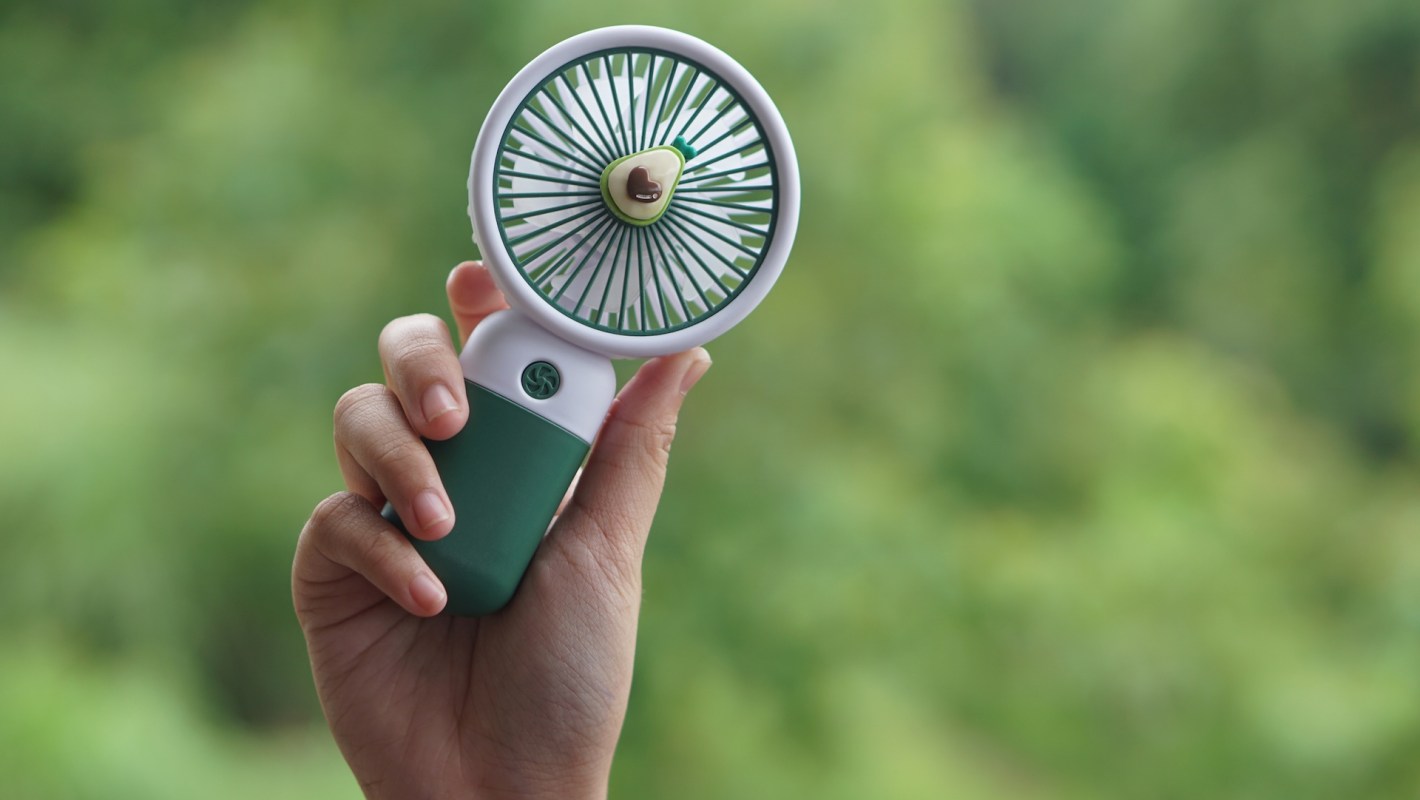
These products are the sort of small, often spur-of-the-moment purchases that include chargers, power banks, mini fans, festive lights and decorations, and wireless headphones or speakers.
That purchase rate was higher in Ireland than the average across the 12 countries surveyed, coming in at 89% compared with 78%.
According to RTÉ, Elizabeth O'Reilly, director of environmental compliance and circular economy at Waste Electrical and Electronic Equipment Ireland, said, "Because they are usually inexpensive, bought on impulse and easy to replace, fast-tech products can be treated as if they are disposable."
TCD Picks » Quince Spotlight
💡These best-sellers from Quince deliver affordable, sustainable luxury for all




More background
WEEE Ireland estimated that fast tech purchases in Ireland totaled 91 million items in 2025.
Durability was another issue flagged by the broader study. Among the 776 respondents in Ireland who explained why they had stopped using these products, 52% cited breakage or some other defect.
What can be done?
When asked how they dealt with unused devices, fewer than half of respondents said they had brought at least one to a recycling center or a store collection point, while more than one in four said they had kept the items at home.
O'Reilly explained that their small size doesn't mean they are harmless, saying, "People may not even realise that even small novelty products can contain electronic components and materials that should be recovered."
With 83% of respondents saying they would pay more for some sturdier versions, reducing waste may depend as much on product durability and buying habits as on what happens after a gadget stops working.
O'Reilly said, "One product improperly discarded may seem insignificant, but when that behaviour is repeated across millions of purchases, these gadgets can become a growing waste problem."
Where can I learn more?
Here are more stories on how e-waste problems are showing up in discarded gadgets, secondhand markets, and the recycling systems meant to catch them.
• On Reddit, an e-waste worker shared a post-Christmas haul of Wiis heading for scrap.
• In Texas, Metallium is building a massive recycling plant to recover metals from discarded electronics.
• A discarded curbside setup turned out to include a high-end gaming PC instead of junk.
• In Nigerian markets, imported secondhand electronics are increasingly near end-of-life devices sold as bargains.
• Frustration mounted after someone highlighted an outrageous disposable product that quickly becomes needless e-waste.

Get TCD's free newsletters for easy tips, smart advice, and a chance to earn $5,000 toward home upgrades. To see more stories like this one, change your Google preferences here.






