


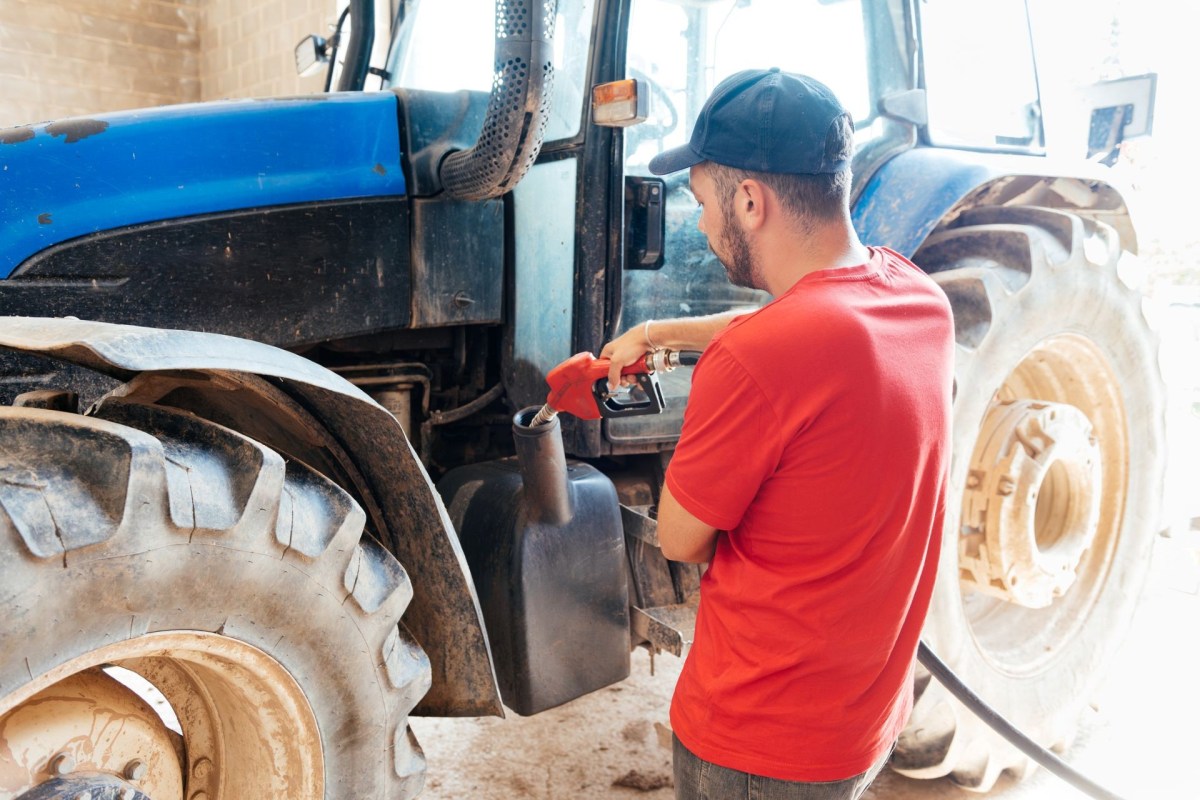
A farmer in the Bolivian highlands is turning discarded plastic bags, old tires, and used oil into tractor fuel.
The workaround is helping cut one of his biggest farm expenses and keeping him afloat.
For communities squeezed by the rising price of diesel, this kind of low-cost energy may make all the difference.
Here's what to know
In Ancocala, a community in the rural municipality of Laja, Etson Machaca has set up a small fuel plant. As Reuters reported, he's using it to run his tractors and other farm equipment.
Each day, Machaca produces roughly 21 to 40 gallons (80 to 150 liters) of gasoline and diesel from those waste materials, according to the news outlet.
On the open market, diesel costs around 18 bolivianos per gallon (roughly equivalent to $1.54 USD). Reuters reported that Machaca, by contrast, makes his fuel for about 7 to 10 bolivianos per liter (about $0.60 to $0.85).
TCD Picks » Quince Spotlight
💡These best-sellers from Quince deliver affordable, sustainable luxury for all




The savings may add up quickly on a working farm.
The thermochemical process behind Machaca's efforts is pyrolysis, which heats material to break it down into substances that can later be refined into fuel.
"We transform plastics, bags, tires, used oil," Machaca told Reuters. "All of that has become raw material for us to produce fuel in the highlands."
More background
Machaca's setup offers another benefit beyond fuel savings. It puts hard-to-manage waste to use instead of letting it pile up in the local environment, where it might otherwise create pollution problems.
Bolivia was once a major exporter of natural gas. But declining output has pushed the country toward financial stress and greater reliance on imported fuels. Bolivia now imports 95% of its diesel and 60% of its gasoline, according to official data cited by Reuters.
Local workarounds, if they can be executed safely, may matter a great deal for people whose livelihoods depend on keeping farm equipment running. Small-scale production will not solve the country's broader fuel challenges, but it may give individuals a measure of stability.
Where can I learn more?
Scientists and companies are testing more ways to put stubborn plastic waste to use:
• Scientists have developed a way to turn plastic waste into hydrogen fuel.
• Researchers are using a metal ball to trigger plastic-saving chemical reactions.
• At Virginia Tech, engineers are advancing breakthroughs in plastic recycling that could curb waste.
• Researchers have found a way to turn plastic waste into edible nutrients.

Get TCD's free newsletters for easy tips, smart advice, and a chance to earn $5,000 toward home upgrades. To see more stories like this one, change your Google preferences here.






