


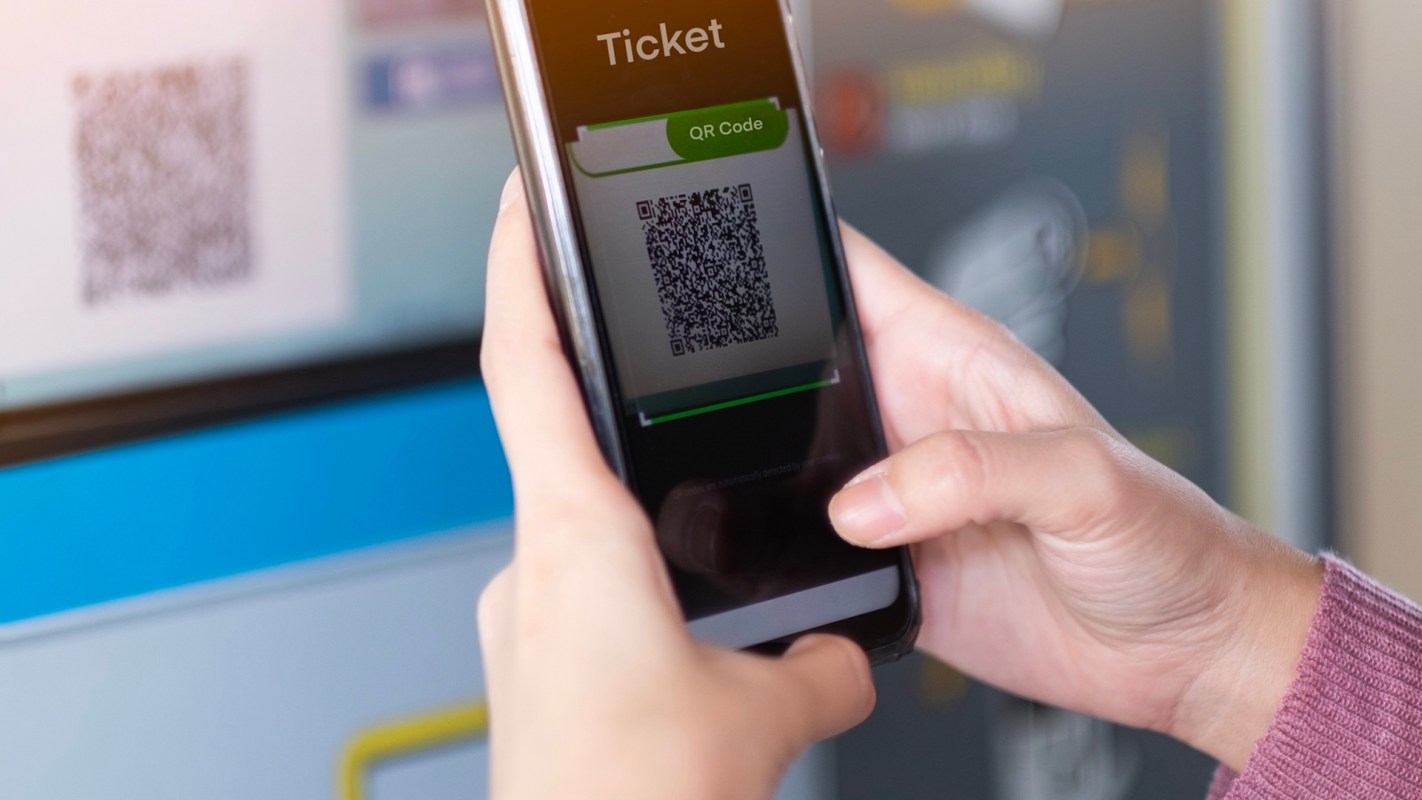
A man has been indicted and arraigned in a New York case in which prosecutors say fake QR code stickers were placed on 64 Manhattan parking kiosks.
The QR codes allegedly directed drivers to a sham website that asked for financial information, until one would-be victim caught on to the ruse.
Here's what to know
As ABC7 New York (@abc7ny) described in a video report on TikTok, drivers trying to pay for parking in Manhattan were allegedly sent from 64 kiosks to a sham website that asked for financial information, including credit card numbers.
@abc7ny A man has been indicted on charges that he ran an alleged scheme targeting drivers in New York City through fraudulent QR code stickers placed on parking kiosks, according to prosecutors.
♬ original sound - ABC7NY
Prosecutors have indicted Mahai Theodore Enescu in the case, and he has been arraigned. According to the station, the alleged setup used a sticker labeled "web pay scan to pay" placed over official ParkNYC payment information.
The case came to authorities' attention in June 2025 when someone scanned one of the codes at a parking meter near 79 East 10th Street. The page it opened prominently displayed the official ParkNYC logo.
ABC7 reported that after trying multiple times to enter payment information and repeatedly hitting a buffering screen, the user realized the QR code was actually a sticker covering the real ParkNYC label. The person then alerted banks before any financial loss occurred.
TCD Picks » Quince Spotlight
💡These best-sellers from Quince deliver affordable, sustainable luxury for all




More background
Drivers were not being lured to a suspicious website through an email or text message. Instead, the station noted they were targeted while trying to use a city parking kiosk for an ordinary, everyday task.
The alleged scheme also relied on a common habit of scanning QR codes quickly. A code pasted onto a public machine, sign, or package can send users to a fraudulent site. ABC7 caught up with a man who suspected many of the victims might be elderly.
"I do feel bad for older folks not because they're not fully capable, but you know people if you're not accustomed to things it's very easy to be scammed and to be duped," the man said.
What's being done
Users in the comments pointed to a bunch of ways drivers can protect themselves against similar schemes.
"Anytime you have the option to use a QR code always choose to NOT use the QR code," a user suggested.
Another way to be safe is to make sure anything you do is from the proper channels, or even to go old-school with your payment.
"When in NYC I only use the parknyc app and also keep rolls of quarters in my car," a user shared.
Where can I learn more?
QR codes are far from the only scam to be aware of. Crypto kiosks are often used to separate victims from their money.
In Minnesota, officials moved to ban crypto kiosks after scammers drained nearly $1 million.

Get TCD's free newsletters for easy tips, smart advice, and a chance to earn $5,000 toward home upgrades. To see more stories like this one, change your Google preferences here.






