A cheap solar find from Facebook Marketplace can feel like a win — until a suspicious flaw appears on the panel itself. One buyer's Reddit post is a reminder that secondhand energy gear can save money, but only if it is still in solid working shape.
What happened?
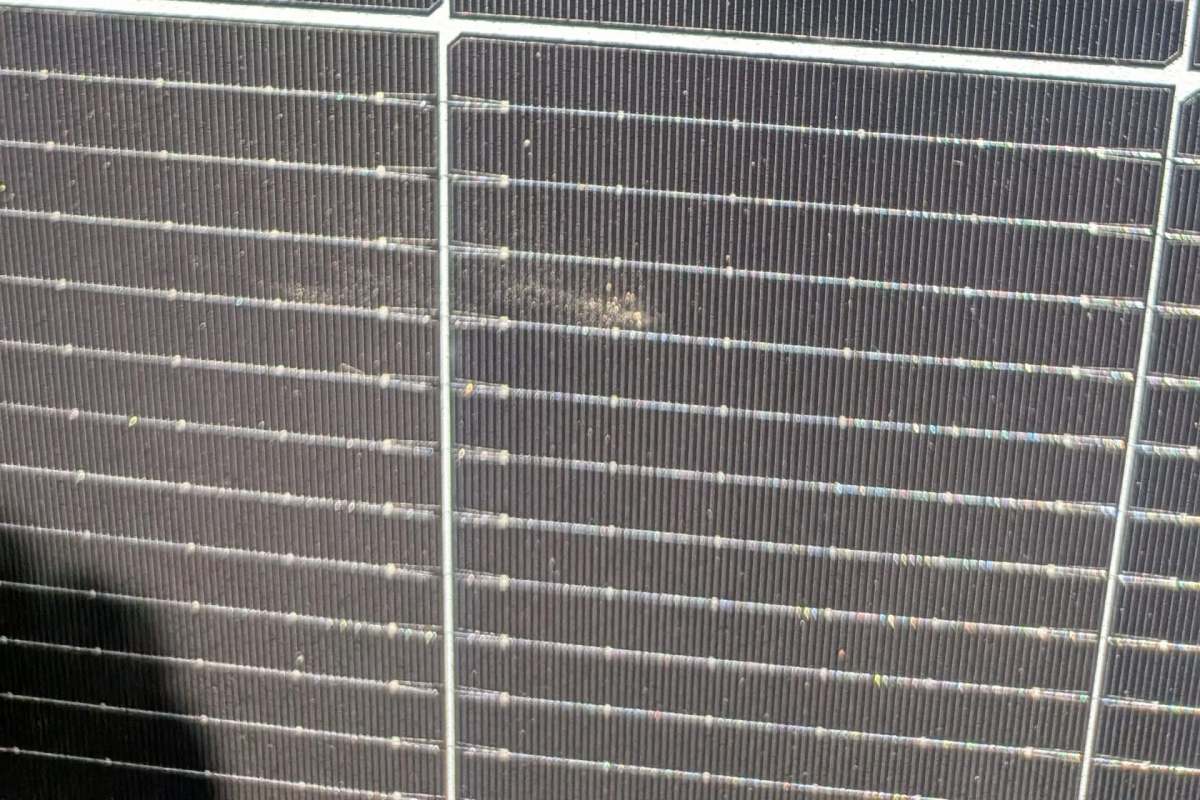
In a post on Reddit, the buyer said: "It's mostly fine, and is functioning decently well, but I noticed this flaw in one of the panels." They added, "Will this impact the performance of this segment of the panel?"
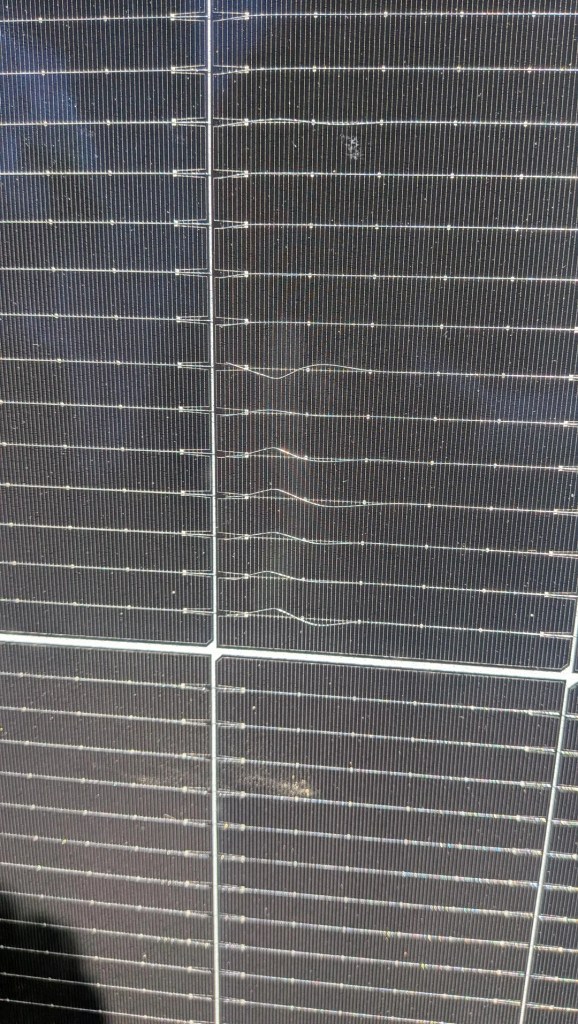
A panel can still be generating electricity while a damaged-looking area causes trouble. If one cell or section of a module is visibly compromised, it may lower power production in that area, affect the output of the cell string it belongs to, or lead to heat-related reliability concerns over time.
Because the panel was bought used on Facebook Marketplace, there is also less certainty about its history. A bargain panel may have been dropped, stressed during shipping, or exposed to weather in ways that are not obvious in a quick inspection.
Still, buying used can be a smart move. Thrifting helps people save money on everyday necessities, uncover rare and valuable items at steep discounts, and keep usable products out of the waste stream. Going solar is also one of the best ways to save money on home energy, and homeowners who want a fuller system can explore EnergySage's free tools to get quick solar installation estimates and compare quotes.
Why does it matter?
For people hoping to lower their utility bills, secondhand solar gear can make cleaner, cheaper energy more accessible by reducing the upfront cost.
Not every blemish means a panel is failing, and some damage may be cosmetic. But if the issue reflects a cracked cell, a compromised backsheet, or a condition that raises hotspot risk, the panel could lose efficiency sooner than expected or prove less dependable in hot, sunny weather.
DIY buyers piecing together small systems for sheds, RVs, backup power, or home use can quickly lose any savings if one "deal" underperforms.
Save $10,000 on solar panels without even sharing your phone number Want to go solar but not sure who to trust? EnergySage has your back with free and transparent quotes from fully vetted providers that can help you save as much as $10k on installation. To get started, just answer a few questions about your home — no phone number required. Within a day or two, EnergySage will email you the best local options for your needs, and their expert advisers can help you compare quotes and pick a winner. |

What can I do?
If you are buying a used solar panel, inspect the glass, frame, backsheet, connectors, and junction box closely before handing over cash. Ask for the panel's age, model number, and rated wattage, and, if possible, test voltage and current in sunlight or have a solar professional evaluate it.
For shoppers who decide a new rooftop system makes more sense, EnergySage's free services can take much of the guesswork out of the process.
Additionally, adding battery storage to a solar setup is one of the best ways to protect your home during outages, save money on energy, and go off-grid. You can also explore EnergySage's free tools for information about home battery storage options, including competitive installation estimates.

Get TCD's free newsletters for easy tips, smart advice, and a chance to earn $5,000 toward home upgrades. To see more stories like this one, change your Google preferences here.
More From EnergySage
💡Go deep on the latest news and trends shaping the residential solar landscape