


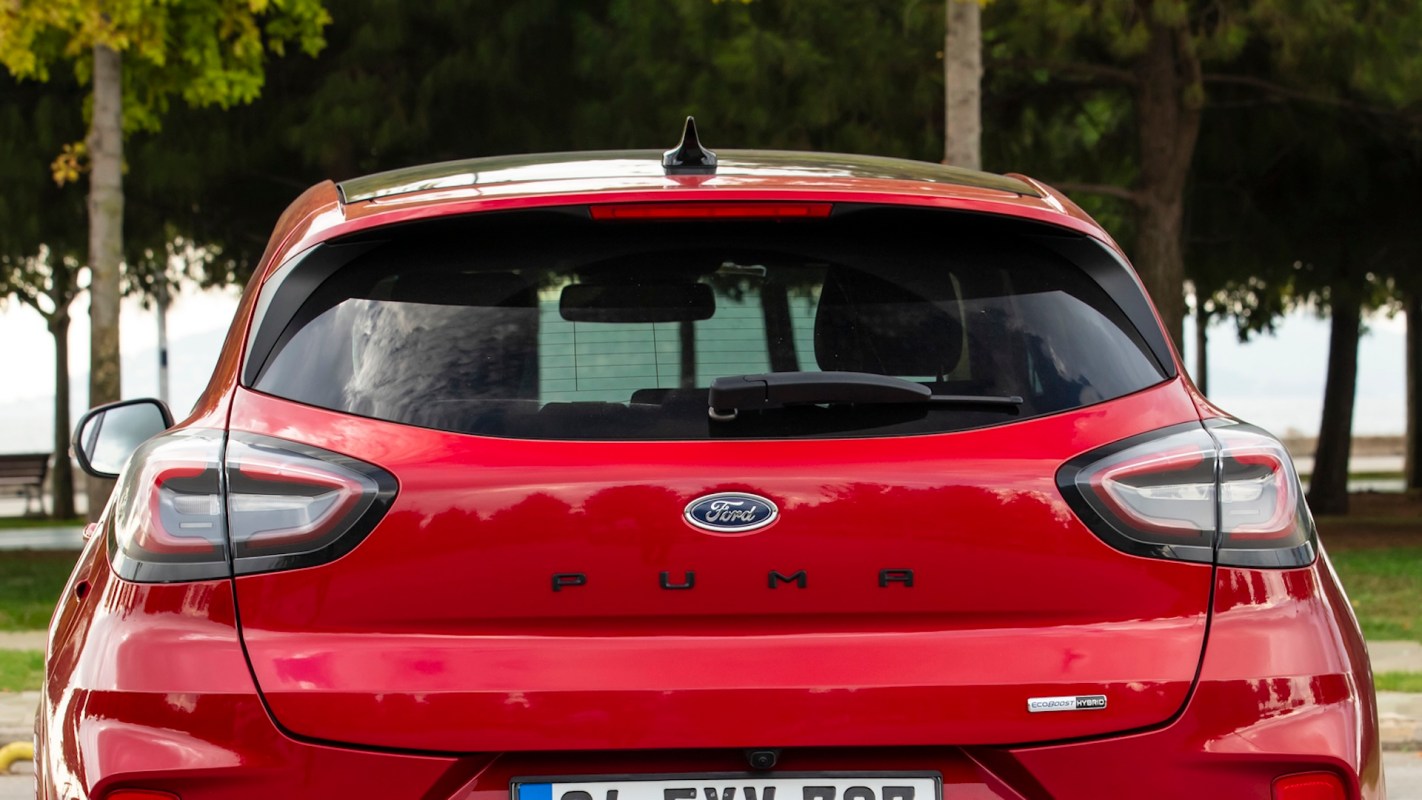
For many drivers, an EV road trip promises quiet travel and low fuel costs. But one 1,600-kilometer (994-mile) journey from central Romania to Thessaloniki and then to the Greek island of Thassos showed how quickly one can become a maze of charging roadblocks.
What happened?
A driver on Reddit shared the experience of making the trip in a Ford Puma Gen-E. They said the stretches through Romania and Bulgaria were manageable, with enough chargers to get by and A Better Routeplanner working reasonably well.
The first annoyance was how payments were handled. "Every station has its own app and most won't let you pay without creating an account — annoying as hell but manageable," the driver wrote.
The trip got more complicated after they entered Greece. Though the driver charged overnight in Thessaloniki and departed with 94% battery, they still needed to account for a ferry policy that capped EVs at a 40% charge. The first charger they tried was out of service, the only working stall there had a queue, and ABRP kept changing its information.
On Thassos, the lack of options became the central problem. The poster said there was "one single fast charger on the entire island." With a wait of more than 1.5 hours in the heat and an app that would not verify a Romanian phone number, the driver arranged overnight charging from a hotel's Type 2 outlet.
Why does it matter?
EVs can be affordable and practical for daily driving, but long-distance travel can still be stressful when the charging network is fragmented or unreliable.
TCD Picks » Quince Spotlight
💡These best-sellers from Quince deliver affordable, sustainable luxury for all




That is especially true for small-battery vehicles. A car with 300 km (186 mi) of range may work well for commuting and can help drivers save money on fuel and maintenance, but road trips that involve high speeds, weather, detours, or charging delays can quickly eat into that range.
The ferry restriction also forced a different driving strategy. To reach the port near the required battery level, the driver said they had to slow to 100 km per hour (62 mph) on a 130 kph (81 mph) highway. "The chargers are choosing my route, not me," the poster wrote.
Commenters shared similar experiences from the Balkans and Greece, describing a patchwork of apps and the added stress that comes with trying to road-trip in a short-range EV during peak travel season.
What can I do?
Building in more margin than the car's range suggests can help. Ferries, islands, heat, and holiday traffic can all make a route that looks easy on paper much harder in practice.
Setting up charging access before leaving home can also help. That may mean downloading apps in advance, checking whether phone number verification works internationally, and researching backup charging stops rather than relying on a single fast charger.
Destination charging at a hotel or rental can be one of the most useful workarounds. Slow overnight charging is often less stressful than searching for a public fast charger, and it can preserve one of the biggest EV benefits for travelers: lower energy costs than filling up a gas car.
Better infrastructure would make EV travel simpler for both locals and visitors. More reliable chargers, tap-to-pay systems, and more coverage in tourist areas would all help.
"One broken charger, one queue, one app glitch, and suddenly you're stuck," the OP concluded. "Not a car problem, it's a geography problem."

Get TCD's free newsletters for easy tips, smart advice, and a chance to earn $5,000 toward home upgrades. To see more stories like this one, change your Google preferences here.






