


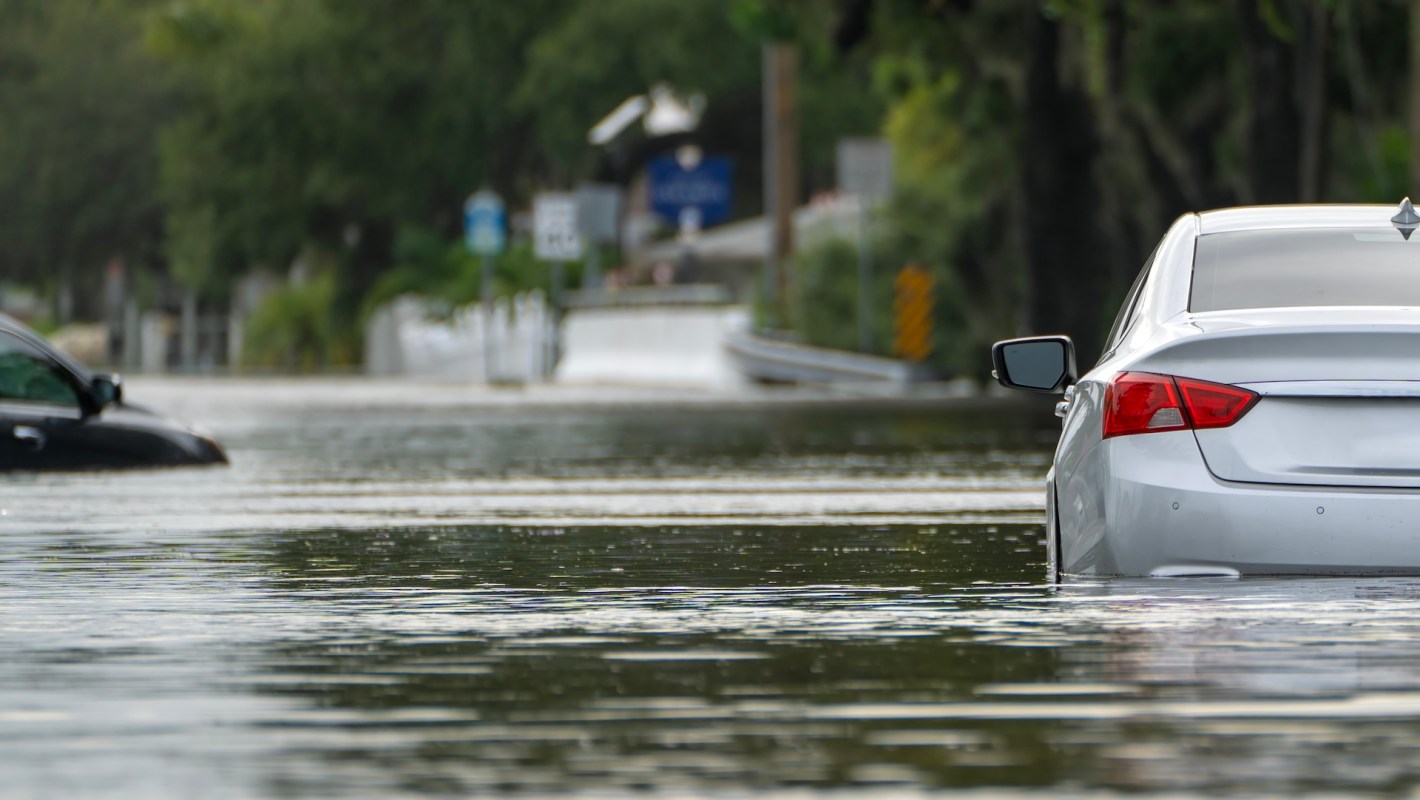
Even though floodwater is hazardous in any kind of car, a cluster of firsthand EV stories suggests that a familiar anti-EV criticism may be weaker than it sounds.
In responses to a widely viewed online prompt, drivers said their electric vehicles usually managed standing water at least as well as gas-powered models, and some said they did better.
What happened?
In r/electricvehicles, one user asked owners who had actually dealt with flooded roads to compare notes, writing, "There's a lot of discussion online about EVs and flooding, but I'd love to hear real-world experiences from people who've actually gone through it."
The replies included both trucks built for tougher conditions and lower cars.
A Tesla Model 3 owner said they made it through a flash flood, adding, "ICE cars were stuck but I made it through," and later added that the vehicle was eventually passed down to their daughter.
A Rivian R1T driver wrote, "I've had water up to the door handles with no ill effects."
TCD Picks » Quince Spotlight
💡These best-sellers from Quince deliver affordable, sustainable luxury for all




Just as notable was the caution in the thread.
Commenters repeatedly said floodwater is dangerous no matter what powers the vehicle, especially when current, debris, or washed-out pavement are involved.
They also stressed that published capabilities matter: a Rivian or F-150 Lightning with stronger fording specs is not the same as a low-slung sedan or compact crossover.
Why does it matter?
The comments came from places where sudden flooding is not theoretical.
Owners in Texas, Louisiana, Florida, and Ontario described heavy rain that turned roads and traffic backups into hazardous conditions.
Several replies pointed to one reason EVs may have an edge in these conditions: they do not rely on a combustion engine with an air intake that can swallow water.
Gas vehicles can stall or suffer major engine damage when that happens, which commenters said helps explain why they sometimes saw ICE cars stranded while their EVs kept moving.
As one person put it, "It will be better than your ICE sucking in water through its air intake."
Even so, nobody in the discussion treated EVs as immune to flood damage.
Saltwater was singled out as especially harmful, and commenters noted that any vehicle can be totaled if water reaches cabin electronics, underbody components, or hidden connectors.
For many people who reported uneventful crossings, the bigger threat was the flood itself — being swept away, hitting submerged debris, or driving onto a road that had washed out — rather than the battery alone.
What can I do?
Put safety ahead of vehicle capability. If the water is moving, muddy, or deep enough that you cannot judge the road surface, the safest choice is to stay out of it.
If flooding is a real concern where you live, look up your vehicle's guidance before storm season instead of assuming all EVs are alike.
Some models publish water-fording or wading limits and others do not, and commenters said clearance, battery protection, and seal condition all affect the outcome.
They also noted that aging seals or saltwater exposure can make the same situation riskier.
They also noted one practical advantage of EVs in traffic: heating or cooling can run without tailpipe emissions or the idling concerns associated with gas engines.

Get TCD's free newsletters for easy tips, smart advice, and a chance to earn $5,000 toward home upgrades. To see more stories like this one, change your Google preferences here.






