


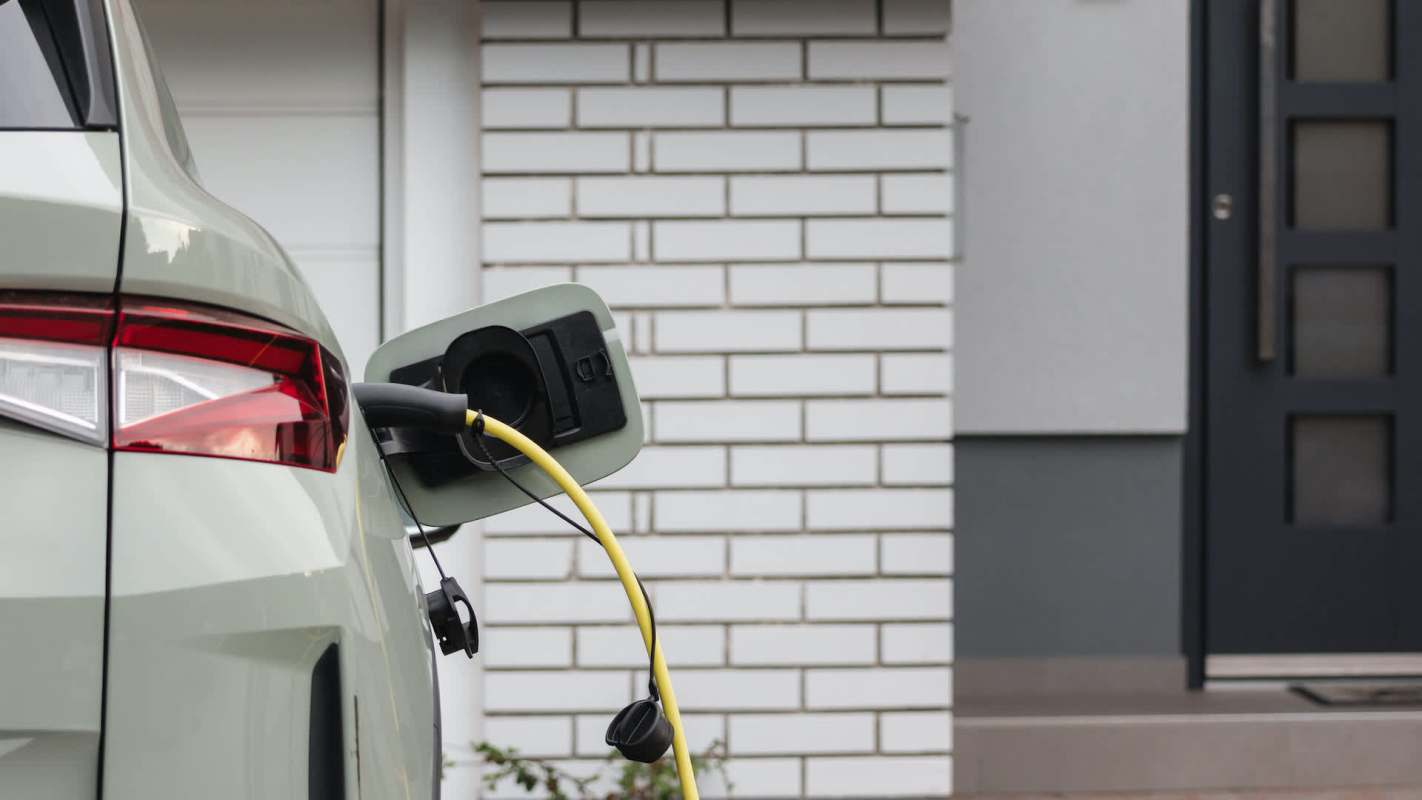
For many electric vehicle shoppers, headlines and spec sheets can make charging speed look like the defining number.
A Reddit thread argued that in everyday use, especially for drivers who plug in at home, that figure may not carry as much weight as it first appears.
Here's what to know
Users compared real-world habits after one poster suggested that quicker charging is a benefit, but not always the deciding factor buyers make it out to be.
"Is it better to have faster charging? Yes. Should companies work on improving it? Absolutely. Does it really matter all that much if you charge at home every night and only occasionally drive out of [town]? Definitely not. Should it be enough to sway you from buying a particular model over another? No," the original poster wrote.
One commenter put it bluntly: "The other thing that really matters is your ability to charge at home."
Road-trip style emerged as the main split in the replies. People who already welcome a break every few hours said extra charging time did not bother them much, while commenters who prefer to cover long distances with minimal stops said speed and range still strongly influence what they would buy.
TCD Picks » Quince Spotlight
💡These best-sellers from Quince deliver affordable, sustainable luxury for all




More background
Many commenters contrasted spec-sheet debates with the routine of living with an EV. For commuters and families who can reliably charge at home, daily use may be as simple as plugging in overnight, starting the morning with more battery, and avoiding regular gas-station stops.
That setup can also save money. Charging at home is often cheaper than relying on public DC fast chargers, allowing drivers to take advantage of one of the biggest financial benefits of EV ownership: lower fueling costs over time.
One commenter noted that their complex's level 2 setup was "a lot cheaper and more convenient than level 3."
The calculus shifts for drivers who cannot charge where they live. Renters or apartment residents without dependable access may need public fast chargers far more often, making charging speed a practical concern rather than a small convenience.
Travel patterns with passengers also shaped the discussion. Parents with young kids may already pause often enough that charging blends into normal breaks, whereas solo drivers trying to make the fastest possible time on a long route may judge the tradeoff differently.
What can be done?
Real driving habits often matter more than the absolute fastest charging number. How long is the daily commute? Is charging available at home or at work? How many long-distance trips are made each year?
If most driving is local and overnight charging is available, a wider range of EVs may make both financial and practical sense. That can mean lower day-to-day fueling costs, less routine maintenance, and fewer compromises than many first-time buyers expect.
For buyers without home charging, the surrounding infrastructure can change the equation. Apartment level 2 charging, workplace plugs, and dependable public chargers nearby can all help, but in those situations, fast-charging performance may deserve more emphasis.
Where can I learn more?
These articles look at home EV charging, common adoption myths, and why drivers switch.
• Across the U.S., EV owners say charging where you park matters more than range numbers.
• Auto experts say common EV myths still cloud buying decisions for many Americans.
• On Reddit, drivers say switching to an electric car often slashes fuel costs.

Get TCD's free newsletters for easy tips, smart advice, and a chance to earn $5,000 toward home upgrades. To see more stories like this one, change your Google preferences here.






