


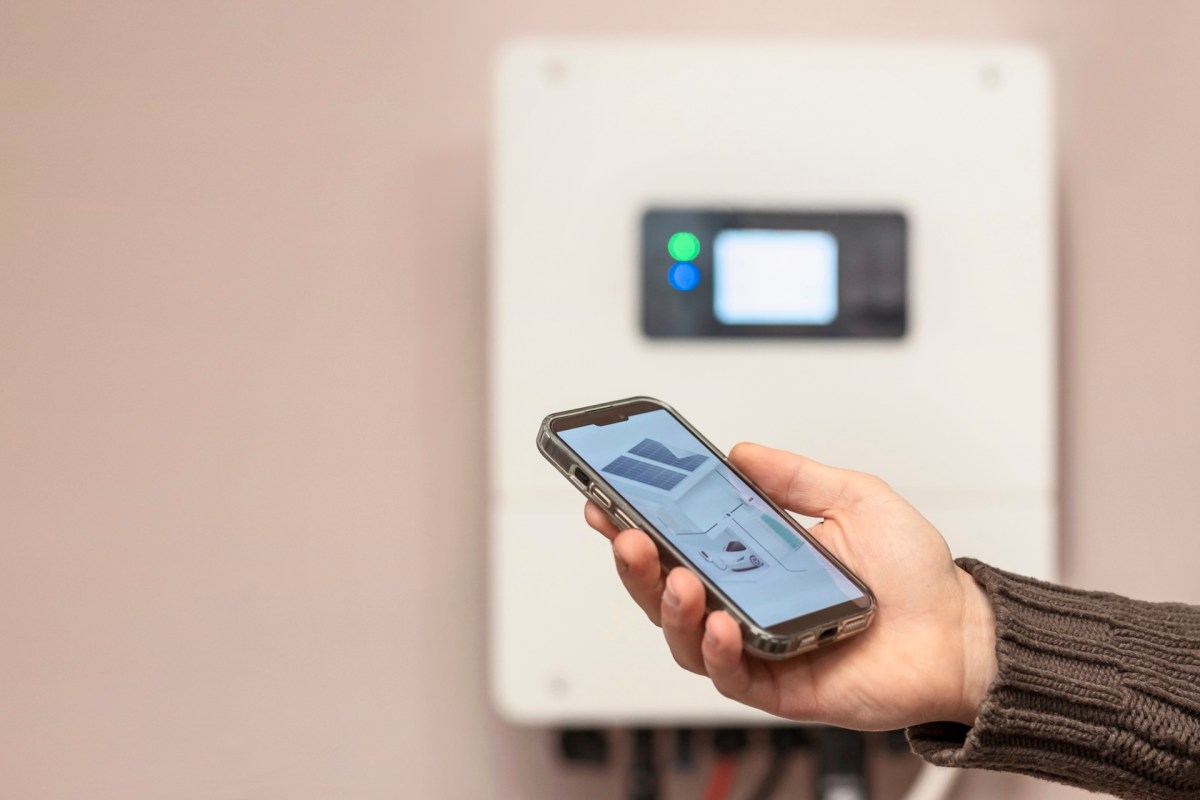
A Sigenergy home battery and solar owner found their new EV charger was quietly drawing from the grid instead of using solar surplus, and the app's numbers just didn't add up.
Here's what to know
A Reddit user described seeing impossible readings after installing a Sigen AC EV charger. While the charger was scheduled to run on solar surplus only and battery boost was off, the app showed both home consumption and grid import at 0 kilowatts even as the battery continued charging. That led the owner to question whether the system was accurately reporting the source of the charging power.
Another owner replied that they had run into the same issue and believed the EV charger was effectively sidestepping the energy controller. They wrote: "I verified my suspicion by checking my electrical utility (Synergy) interval usage data and behold at the exact same charging window (9am-3pm) I'm drawing several kWh's to charge the EV and am paying for it!"
According to that commenter, the fix was to have the installer move the EV charger from the main grid switch to the sub-main backed-up circuit, after which the setup reportedly worked as expected.
The original poster later inspected the panel and reported that "the EVAC supply is wired into the bottom of the switch called Gateway (grid supply)."
For households trying to pair EV charging with solar, adding battery storage is one of the best ways to protect your home during outages, save money on energy, and move closer to going off-grid. Homeowners who want to compare options can explore EnergySage for information about home battery storage systems, including competitive installation estimates. EnergySage has teamed up with the electrification brand Qmerit to guarantee you get the best price on home battery storage solutions. Pila is another company offering strong battery backup options, and its plug-and-play batteries are priced at a fraction of what a whole-home backup system would cost.
What can be done?
Owners should not rely on the app alone if the numbers do not add up.
When an EV is charging and the app still shows zero for both home load and grid import, checking the utility's interval usage data may reveal whether power is actually being pulled from the grid during that period.
Save $10,000 on solar panels without even sharing your phone number Want to go solar but not sure who to trust? EnergySage has your back with free and transparent quotes from fully vetted providers in your area. To get started, just answer a few questions about your home — no phone number required. Within a day or two, EnergySage will email you the best options for your needs, and their expert advisers can help you compare quotes and pick a winner. Solar panels can save you more than $50k over their 25-year lifespan, and EnergySage can help you save as much as $10k on installation. Which begs the question — isn't that worth an email or two? |

Owners can also ask their installer to confirm how the charger is connected relative to the gateway and battery system. In the example shared in the thread, one user said, "A technician from the installer came over and it literally took 5 minutes to rewire the EVAC charger from the main grid switch to the sub-main 'backed up' circuit switch."
Where can I learn more?
• In South Carolina, a homeowner saw exports in the app before a $150 bill showed 900 grid kWh.
• One homeowner skipped battery storage, then found his solar and EV setup still covered charging just fine.
• Researchers are testing a smart-charging system that shifts EV load away from costly grid peaks.
• GM is pushing EVs to power homes during blackouts, though installation costs are slowing owners down.
• One driver used portable panels to cover EV charging instead of paying for a larger rooftop upgrade.

Get TCD's free newsletters for easy tips, smart advice, and a chance to earn $5,000 toward home upgrades. To see more stories like this one, change your Google preferences here.






