


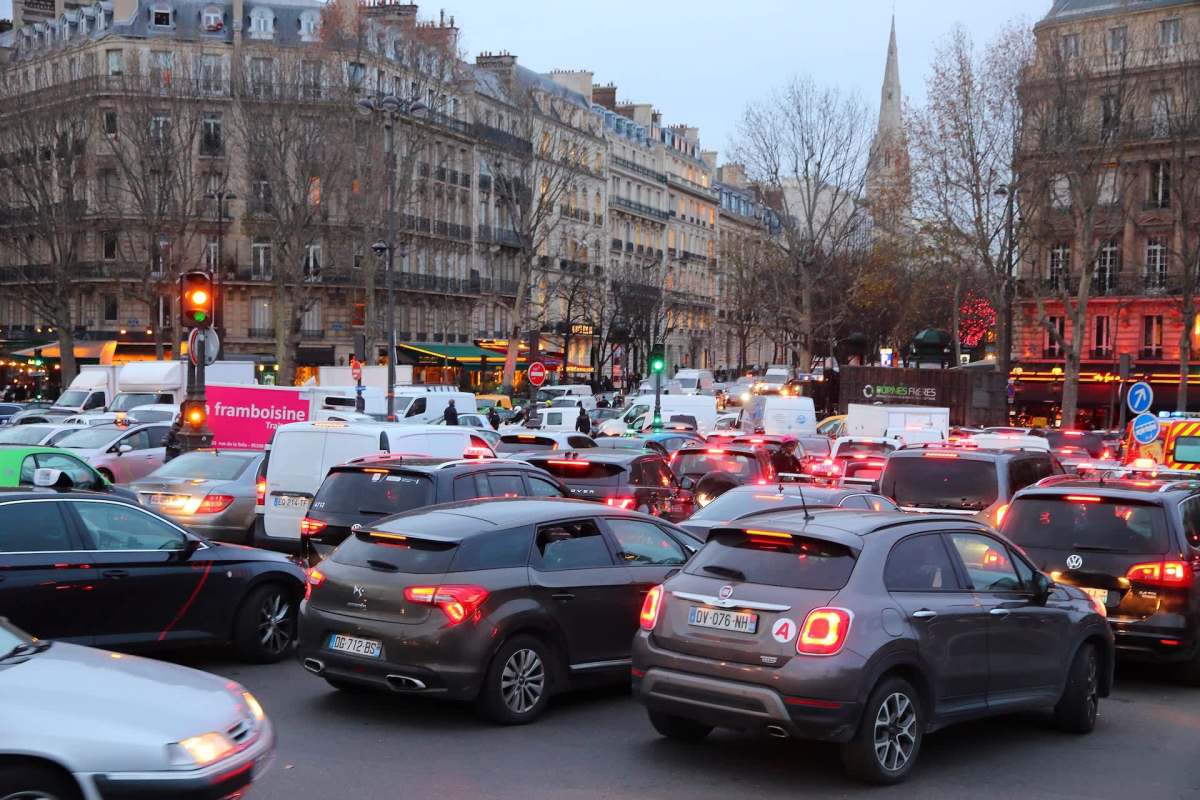
Millions of Europeans face a looming threat — one that is not silent — as a new report points to a surprising health hazard.
What's happening?
Stress and insomnia are not new. But a recent report from the European Environment Agency (EEA) highlights an underrecognized culprit that's been steadily making things worse: noise.
Cars, trains, and planes expose more than 110 million people across Europe to unhealthy levels of noise pollution, according to the Guardian. The health effects are staggering — linked to an estimated 66,000 premature deaths per year — as well as physiological stress, sleep disturbance, heart disease, diabetes, and depression.
"Noise pollution impacts our health by keeping our bodies in a constant state of fight or flight," said Eulalia Peris, an environmental noise expert at the EEA. "[It's] not only an annoyance … It limits your life."
Why are these findings concerning?
The damage from noise isn't just about lost sleep or irritation — it's a full-body burden.
Prolonged exposure triggers stress hormones and inflammation that wear down the cardiovascular and immune systems, leading to serious long-term health impacts. Children exposed to noise even experience cognitive development impairment.
TCD Picks » Quince Spotlight
💡These best-sellers from Quince deliver affordable, sustainable luxury for all




It's also a social equity issue. Lower-income communities are often situated closer to highways or airports. They may lack the resources to soundproof their homes or advocate for policy changes.
This finding echoes other public health revelations gaining attention — like the risks of gas stove pollution inside the home or the rise in poor air quality — that show how environmental factors quietly harm our health.
What's being done about noise pollution?
Lower speed limits, traffic reroutes, and even developing walkable cities can help give people some peace and quiet — especially at night.
There are steps individuals can take to block out the noise, too — using white noise machines to aid sleep, planting noise-buffering vegetation around homes, and advocating for stronger noise ordinances in their neighborhoods.
As with the air and water quality, addressing noise is another step toward healthier, more livable communities. Cleaner futures aren't just about what we see — but also about what we hear, or don't.
|
Do you worry about the quality of the air inside your home?
Click your choice to see results and speak your mind. |
 Yes — often 😬
Join our free newsletter for weekly updates on the latest innovations improving our lives and shaping our future, and don't miss this cool list of easy ways to help yourself while helping the planet.






