


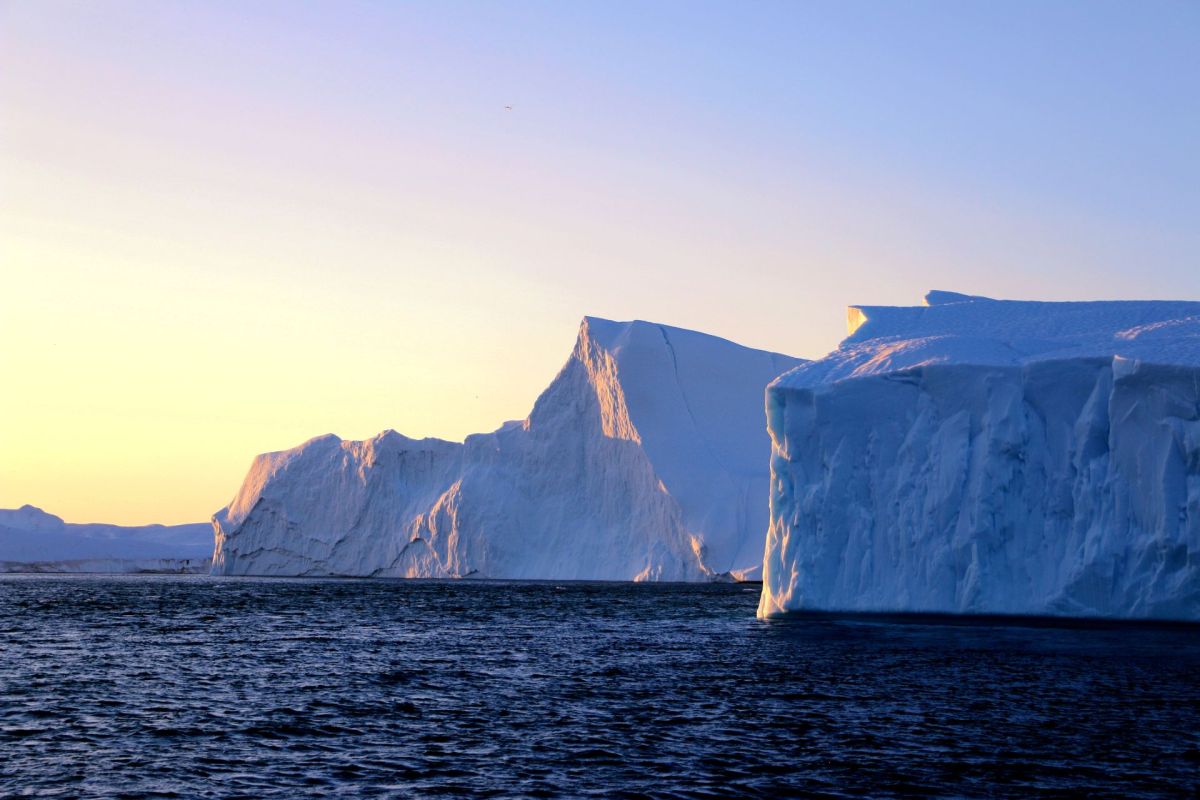
New evidence suggests the Eurasian ice sheet may have reached the area that is now the Netherlands about 1.3 million years earlier than scientists had estimated.
The finding could reshape researchers' understanding of the beginning of major Northern Hemisphere glaciation in Europe.
What happened?
The oldest known glacial deposit in the northeastern Netherlands had long been dated to about 1.1 million years ago. But a new study, as Earth.com reported, directly dated the material to roughly 2.4 million years ago.
The work was led by Kaleb Wagner, a geoscientist at the GFÚ Institute of Geophysics at the Czech Academy of Sciences (IG CAS), whose team investigated the Hattem Bed Complex, a buried deposit of coarse gravel and boulders beneath Dutch farmland.
Instead of depending on earlier indirect age estimates, the researchers used cosmogenic burial dating. The technique measures aluminum-26 and beryllium-10 in quartz to estimate how long sediment has been underground.
The three sampled layers all returned nearly the same age.
TCD Picks » Quince Spotlight
💡These best-sellers from Quince deliver affordable, sustainable luxury for all




The team also analyzed zircon crystals from the sediment to identify where the gravel came from. Their isotopic signatures matched ancient rocks in southern Norway and the Fennoscandian Shield, indicating that a massive Eurasian ice sheet had crossed the Baltic much earlier than previous dating had suggested.
Why does it matter?
Europe's glacial history has long contained a major gap, and the older date helps narrow it. If the ice sheet reached the Netherlands 2.4 million years ago, western Europe may have undergone about a million more years of glacial cycles than older timelines accounted for.
The timing also closely matches evidence that North America's Laurentide Ice Sheet expanded dramatically around 2.42 million years ago. If huge ice sheets were growing in Europe and North America at nearly the same time, more water may have been trapped on land, causing sea levels to fall sharply.
Researchers also said the Dutch gravel layers may preserve evidence of major meltwater floods. Those bursts of cold freshwater entering the North Atlantic could have influenced ocean circulation, potentially helping trigger abrupt climate shifts.
What are people saying?
Researchers said the Hattem deposit now offers the direct date Europe has been missing for its earliest large-scale continental ice, replacing older estimates based mainly on pollen records and sediment correlations.
The team also pointed to a major environmental change above that layer. By around 1.7 million years ago, the overlying Appelscha Formation shows that central European river material had replaced Fennoscandian sediment, indicating the collapse of the ancient Baltic River system after the ice advance.
Overall, the study points to a more abrupt beginning for Europe's ice-age history, one that may have unfolded more in sync with North America.

Get TCD's free newsletters for easy tips, smart advice, and a chance to earn $5,000 toward home upgrades. To see more stories like this one, change your Google preferences here.






