


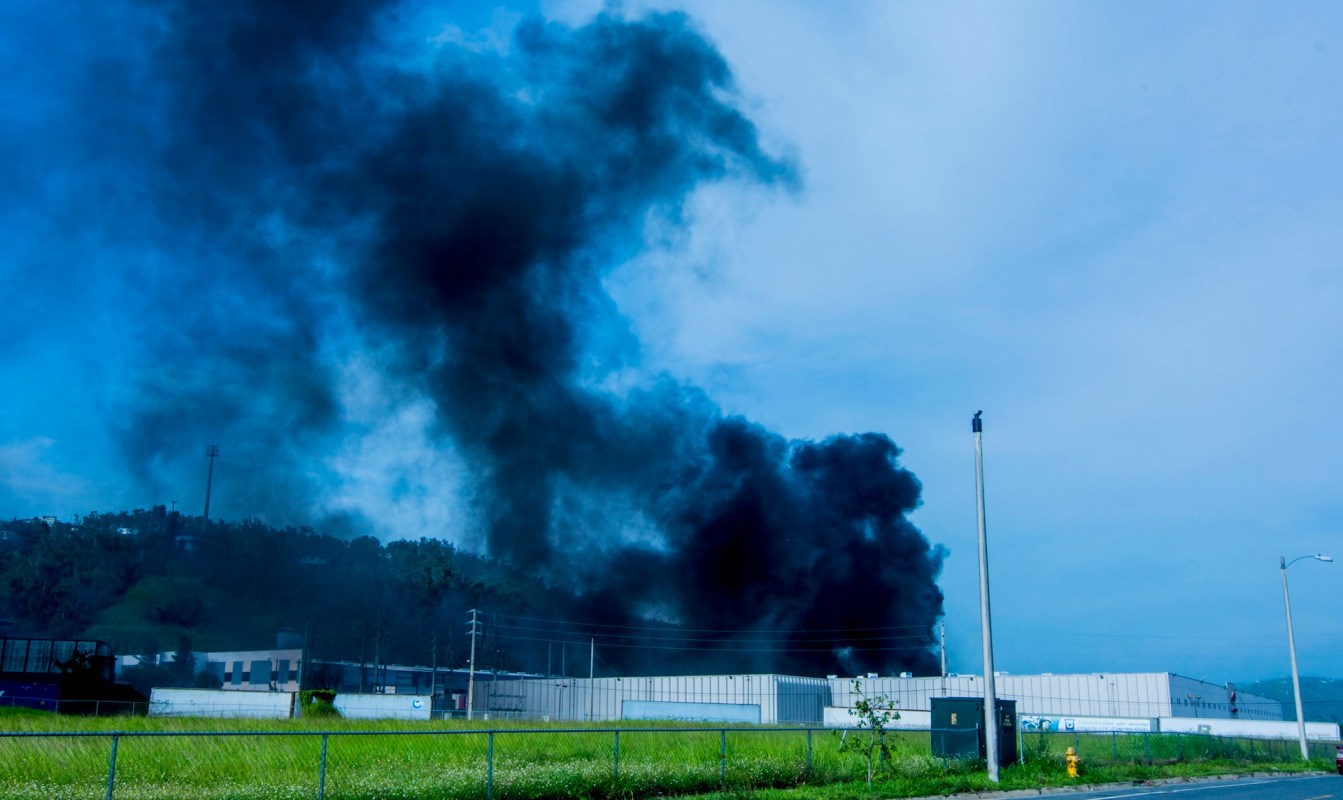
After battery storage fires heightened concern in the San Diego region, Escondido, California, has resumed considering new projects only after putting tougher safety standards in place.
For any future battery energy storage system site, the city now requires minimum setbacks as well as fire suppression and explosion control equipment.
What happened?
On July 29, the Escondido City Council unanimously approved battery storage rules modeled closely on San Diego County's, KPBS reported.
That vote also ended the city's moratorium on BESS facilities, which was imposed after a Sept. 5, 2024, fire at an SDG&E battery storage site forced evacuations at nearby schools and businesses.
Any new battery storage project proposed in Escondido must include a minimum 100-foot setback and have both fire suppression and explosion control systems.
Escondido Acting Fire Chief Tyler Batson said city officials worked closely with the county while developing the standards.
TCD Picks » Quince Spotlight
💡These best-sellers from Quince deliver affordable, sustainable luxury for all




"They were doing a lot of due diligence with subject matter experts to develop a very detailed guideline moving forward on the requirements," he said.
Batson said the Sept. 5 fire "really highlighted some of the possible hazards of having a BESS facility in your densely populated part of your city."
Why does it matter?
Battery storage plays a major role in the clean energy transition because it stores electricity for later use, helping make renewable power more reliable.
Still, the technology has drawn concern when lithium-ion batteries overheat and trigger thermal runaway, a chain reaction that can spread between battery cells and lead to fires that burn for days.
Opposition to the proposed Seguro Battery Storage Project in unincorporated Eden Valley near Escondido intensified after two fires: the Sept. 5 SDG&E blaze and a battery storage fire in Otay Mesa that began on May 15, 2024, and was not fully extinguished for 17 days. AES, the company behind the project, withdrew its plans.
The concern goes beyond flames to smoke and possible chemical exposure.
Escondido resident Carlos Moreno-Zenteno said, "The thing is that, environmentally wise, they say that it diminishes, but it does not diminish. (There are) health hazards, breathing problems with the kids and everyone around Escondido."
What's being done?
The new policy is intended to address those safety concerns earlier in the planning process, rather than after a project is built.
Batson said the 100-foot setback should be treated as a minimum, not a final limit.
Projects located near more vulnerable sites, such as schools or hospitals, would face larger setback requirements. Another key consideration is a plume analysis report, which examines how smoke and contaminants could spread during a catastrophic fire.
"This is an assessment of, based on the type of array that you have there, the types of batteries, the configuration, if you had a catastrophic event with fire, what would the plume of smoke be like?" Batson said. "So, depending on where that smoke goes, that could really increase the setbacks based on what's surrounding that area."
Former firefighter Kenneth Rice said that proactive approach is critical: "It just needs to be built into the infrastructure. It's not something that you should deal with later. You want to deal with it during the construction and design process."

Get TCD's free newsletters for easy tips, smart advice, and a chance to earn $5,000 toward home upgrades. To see more stories like this one, change your Google preferences here.






