


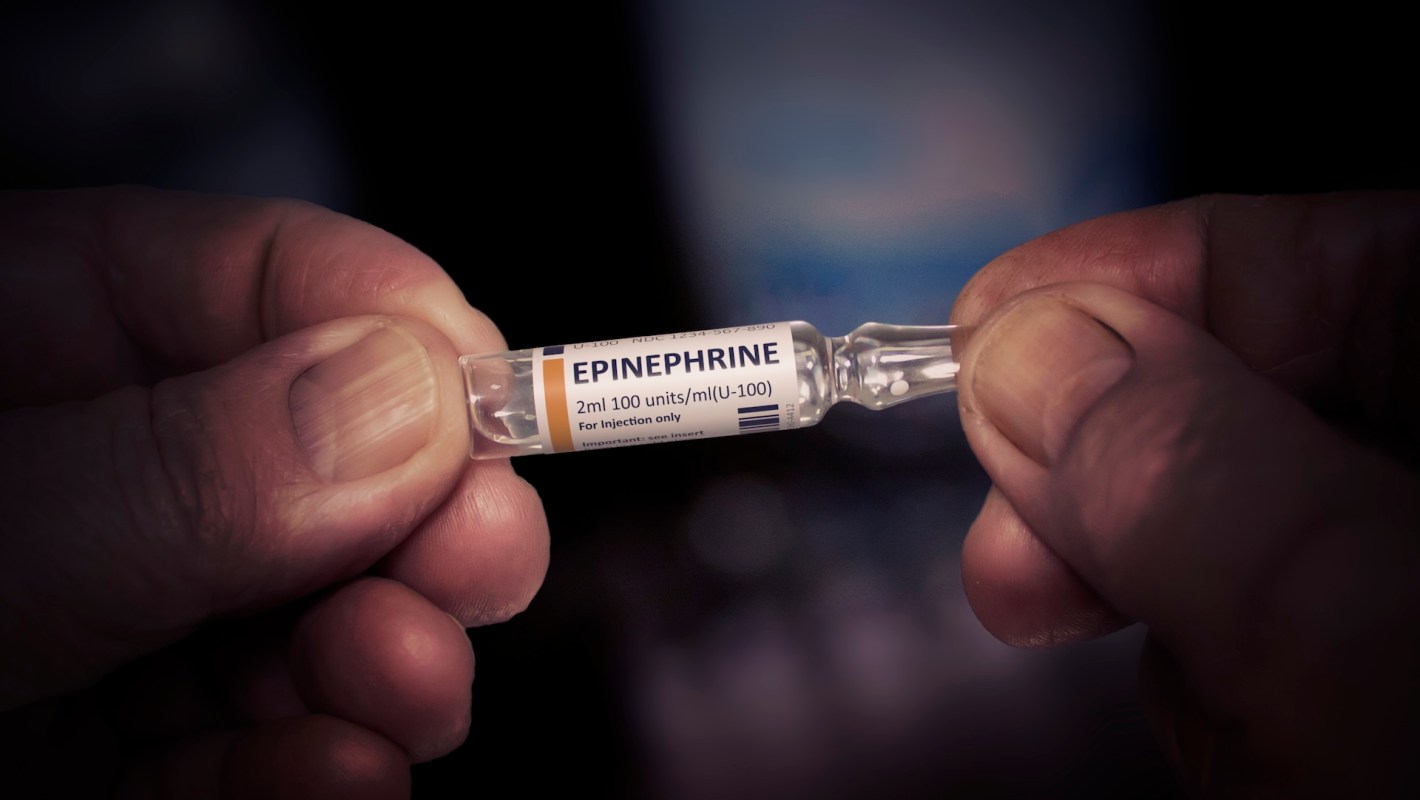
Nearly 900,000 epinephrine vials have been recalled after federal officials identified quality issues over impurities and product degradation.
The voluntary recall affects a medication used in life-threatening allergic emergencies, making it one likely to draw the attention of hospitals, clinics, and patients alike.
Per the Cleveland Clinic, epinephrine, also known as adrenaline, "plays an important role in your body's 'fight-or-flight' response… synthetic epinephrine is used to treat cardiac arrest, septic shock, asthma, and anaphylaxis."
Per PIX11 News' summary of the Food and Drug Administration notice, the issue surfaced at the 18-month stability check, when the vials no longer met required limits for impurities and degradation.
Now, the FDA has classified the recall as voluntary, and listed the impacted products as 898,050 1mL single-dose vials of epinephrine injections. Specifically, this recall appears to be limited to specific Fresenius Kabi single-dose vials.
This means that not all epinephrine products are affected, and it does not automatically apply to every EpiPen-style device or allergy medication someone may keep at home.
TCD Picks » Quince Spotlight
💡These best-sellers from Quince deliver affordable, sustainable luxury for all




A recall does not always mean a medication is expected to harm people right away. In this case, the concern is that the vials did not meet quality specifications related to impurities and degradation, not that regulators have warned of widespread injuries tied to the product.
The recall is also categorized as a Class III recall, meaning that despite the recall of the product, it is unlikely to cause serious health issues. Regulators are often responding to quality-control findings before a worst-case scenario develops.
But even though this recall falls under the FDA's lowest-risk category, it still involves a product used in urgent care settings where reliability is critical.
For those who want more information about potentially-impacted Epinephrine products, the recall number is D-0581-2026. Meanwhile, products from at least 6 different batches were impacted and have expiration dates ranging from this month to April of next year.
Anyone who believes they may have an affected product should review the batch number and expiration date, then contact their pharmacist, prescribing doctor, or health care provider for guidance. Medical settings that stock emergency medications may also need to inspect inventory and replace impacted lots.

Get TCD's free newsletters for easy tips, smart advice, and a chance to earn $5,000 toward home upgrades. To see more stories like this one, change your Google preferences here.






