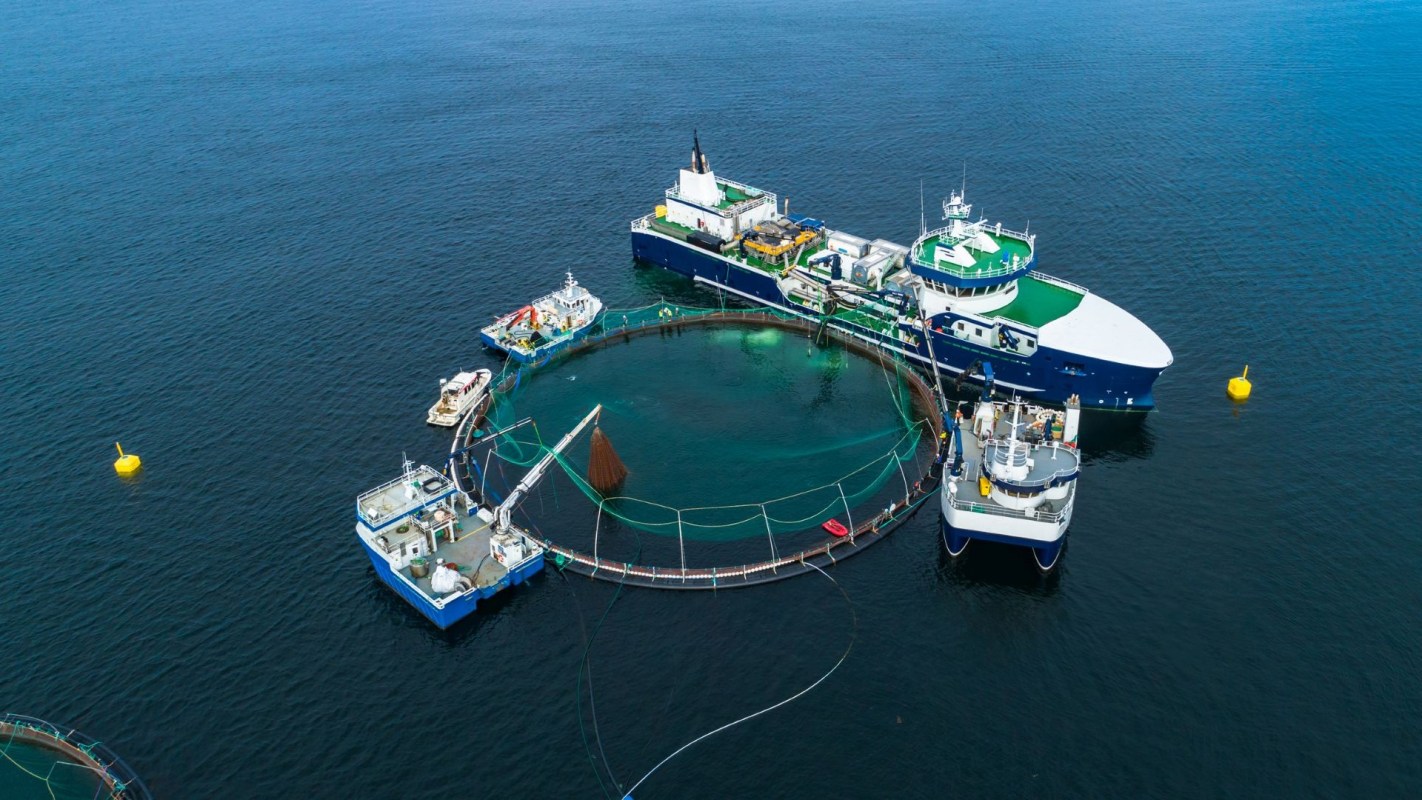
A proposed offshore fish farm near Florida was poised to become the first in federal waters and also the first to be required to monitor microplastics.
But when the Environmental Protection Agency considered requiring the company to track microplastics from its plastic netting, agency leaders removed that condition — and later fired the engineer who objected.
What happened?
As The New York Times reported, the permit was for Ocean Era, a Hawaiian marine aquaculture company seeking to raise fish about 45 miles offshore of Sarasota, Florida.
Kip Tyler, an EPA environmental engineer, argued that the planned use of plastic mesh pens meant the project should be required to monitor for microplastics.
The Times said that Ocean Era agreed to the testing. But senior EPA officials were concerned that imposing such a condition could create a precedent for other industries, so they directed staff to take it out of the permit.
Tyler then wrote a memo objecting to that move. Later, when environmental groups challenged the permit and referenced his memo, the EPA accused him of trying to embarrass the agency and dismissed him, according to the Times.
TCD Picks » Quince Spotlight
💡These best-sellers from Quince deliver affordable, sustainable luxury for all




He is now contesting his firing before the Merit Systems Protection Board, which the Times said is intended to protect federal workers from unjust termination.
This month, the EPA released an updated permit for the fish farm without any microplastics monitoring provision. Brigit Hirsch, EPA press secretary, said the agency was "upholding the best scientific standards" and called Tyler's claims "unfounded."
Why does it matter?
Scientists have detected microplastics in places as far-flung as Antarctica and the Mariana Trench, and in the bloodstreams of both people and animals. Researchers are still working to understand the human health implications, but animal studies have suggested possible reproductive harm and elevated risks of diseases, including lung and colon cancer.
While monitoring would not have solved the global plastic pollution crisis, it could have helped regulators spot problems early and build a clearer picture of how pollution moves through marine ecosystems and food systems.
Critics say the situation shows a broader tension between public commitments to protect health and efforts to scale back industry regulation. When agencies choose not to gather data, communities may be left with more uncertainty and less accountability.
What's being done?
Tyler is seeking to regain his job through his appeal, while environmental groups are separately challenging the permit and say the project could harm the marine environment.
In this case, the company was reportedly willing to do the testing. The central dispute was not over whether monitoring could happen, but over whether the EPA wanted to establish a standard that other industries might later be expected to meet.

Get TCD's free newsletters for easy tips, smart advice, and a chance to earn $5,000 toward home upgrades. To see more stories like this one, change your Google preferences here.