


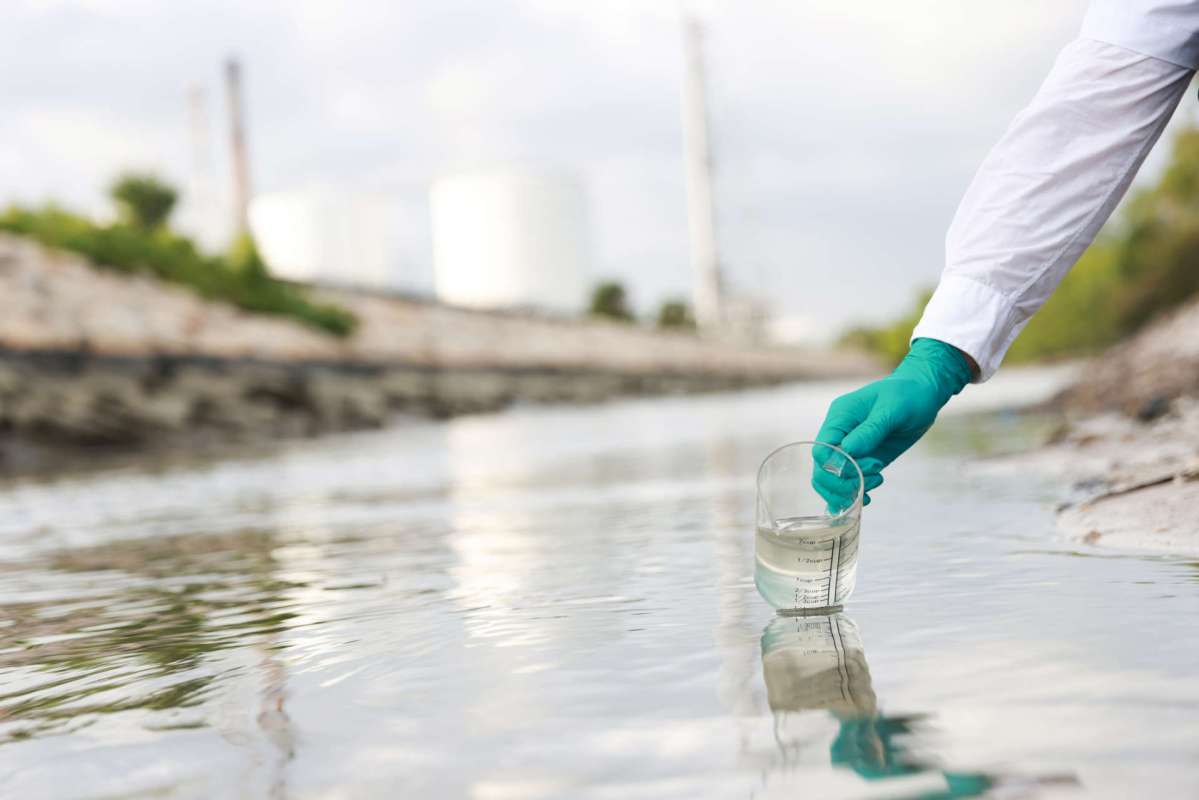
Last month, the U.S. Environmental Protection Agency chose not to include microplastics on its draft list of unregulated drinking-water contaminants that water utilities would be required to monitor.
As Truthout reported, the EPA's decision arrives amid warnings from scientists that plastic pollution is far more than a litter problem.
Here's what to know
In an editorial published in The Lancet earlier this month, leading scientists warned that there is "strong evidence" that plastics are damaging not only ecosystems but also human health across the life cycle.
Researchers have found tiny plastic particles in human blood, hearts, lungs, brains, livers, and reproductive organs, including placentas that nourish fetuses. The microplastic fragments, smaller than five millimeters, can degrade even further into nanoplastics.
Health Secretary Robert F. Kennedy, Jr. and EPA Administrator Lee Zeldin previously announced what they described as "landmark, coordinated actions" on microplastic contamination, including a multi-million-dollar research effort. Yet microplastics did not appear on the EPA's July draft list of unregulated drinking-water contaminants that utilities would have to test for over the next five years.
Trisha Vaidyanathan of Beyond Plastics told Truthout the omission leaves communities without the data they need to understand where contamination is most severe.
TCD Picks » Quince Spotlight
💡These best-sellers from Quince deliver affordable, sustainable luxury for all




"[The] EPA had [a] chance to take some action to monitor [the] level of plastics in drinking water," Vaidyanathan said, per the outlet. "They did not take that action and are using the need for more research as an excuse."
More background
Drinking water is considered one of the main pathways of microplastic exposure, but conventional water treatment systems cannot fully remove the fragments. Meanwhile, without enforced monitoring, families may be exposed without knowing what is coming from their taps.
Scientists are still learning about the potential effects of micro- and nanoplastics. However, the co-authors of The Lancet editorial stressed that the risks linked to plastic-associated chemicals — including carcinogens, neurotoxicants, endocrine disruptors, and per- and polyfluoroalkyl substances, or PFAS — are already well established.
The EPA may have declined to include microplastics in its Unregulated Contaminant Monitoring Rule — or UCMR — list, but public concern about the issue is already high. A nationwide poll released in June by the Ocean Conservancy and cited by Truthout found that nearly 9 in 10 people in the U.S. are worried about reports of microplastics showing up in oceans, animals, the food chain, and the human body.
What can be done?
Vaidyanathan said the EPA should take precautionary action now rather than wait on more research to develop nationwide standards for identifying and monitoring microplastics in drinking water. That could help scientists pinpoint contamination hotspots and communicate potential risks to the public, even as research continues to refine our understanding of health impacts.
"We already have lots of evidence about the harms of plastics, especially from the chemical perspective, so we don't need to wait for research to continue," Vaidyanathan said. "We know enough now to take action to protect public health."
Vaidyanathan pointed to California's existing roadmap for monitoring microplastics in runoff, freshwater, and marine ecosystems as evidence that progress is possible.
In the meantime, cutting back on unnecessary plastic packaging, containers, and cookware may help reduce personal exposure. But Vaidyanathan said the real fix is reducing plastic production itself, since global output is projected to double between 2020 and 2040.

Get TCD's free newsletters for easy tips, smart advice, and a chance to earn $5,000 toward home upgrades. To see more stories like this one, change your Google preferences here.







