


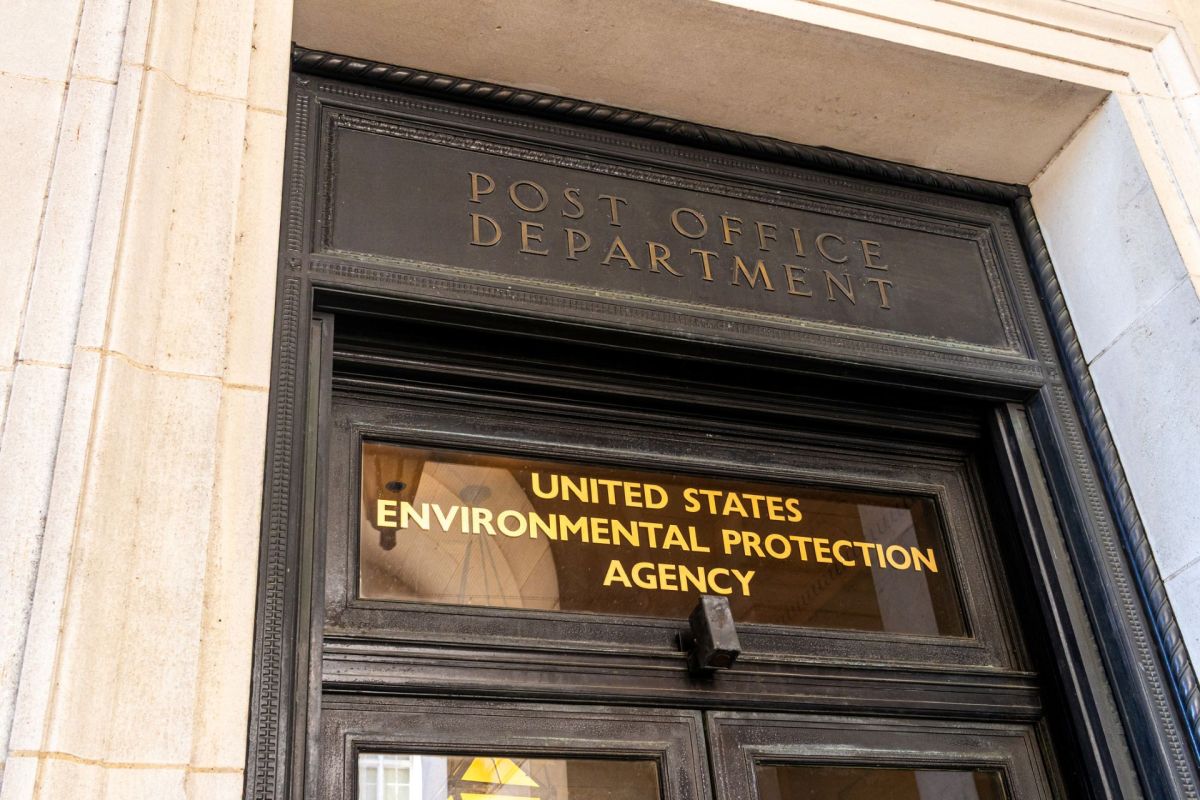
The U.S. Environmental Protection Agency will retire its online archive on Dec. 31, 2026.
On Instagram, Now This Impact (@nowthisimpact) broke down why this largely unheralded move to delete decades of climate- and water-safety data should deserve more attention.
Here's what to know
EPA records are part of the public paper trail surrounding environmental decisions, with records dating back to the 1990s. If a page is updated or removed, the archive allows anyone to track the agency's stance on certain chemicals, sites, or rules at a specific point in time.
At the end of the year, when the archive shutters, people will need to scour the EPA's snapshot collections or reach out directly to an agency in order to acquire the information.
"This is a major red flag," Now This Impact wrote.
It added that the snapshots replacing the archive would omit findings from the Biden administration altogether.
TCD Picks » Quince Spotlight
💡These best-sellers from Quince deliver affordable, sustainable luxury for all




Environmental questions often unfold over years, not days. Records and archived material can help residents, advocates, and watchdogs track how government decisions evolve over time, especially as they try to understand changes that affect public life.
At Camp Lejeune, for instance, archive documents helped residents and U.S. service members investigate contamination in drinking water. Officials had told the EPA that there was no danger there, and ultimately, testing showed toxins at 3,400 times the approved levels.
When a federal agency archive gets a retirement date without broad public attention, it can raise concerns that historical material may become harder to find, compare, or preserve.
"The EPA spent thirty years building a record of its own work, it costs almost nothing to keep online," Now This Impact concluded.
What can be done?
As Mother Jones detailed, the archive was also set to be shuttered in June 2022 under the Biden administration, which said it was too expensive to maintain at approximately $2 million per year.
However, backlash — led by a coalition of historians, librarians, and environmentalists — stalled its retirement to March 2023, and since then, it has remained available for the public.
On Now This Impact's post, commenters called for preservation before the retirement date and wondered what benefit there would be to removing the archive.
"Somebody save the data," one person remarked.
"Hopefully someone is recording the truth," another said.
Where can I learn more?
Questions about the EPA archive are part of a broader debate over access to environmental records.
• Across U.S. communities, the EPA let cancer risk estimates go missing this year.
• In Los Angeles, advocates sued the EPA over records on what residents breathed.
• An EPA watchdog found hazardous waste shipments logged online were rare and error-prone.
• After the U.S. embassy shutdown, public air monitors went dark and pollution rose.
• At the EPA, a union said its contract was scrapped to silence dissent.

Get TCD's free newsletters for easy tips, smart advice, and a chance to earn $5,000 toward home upgrades. To see more stories like this one, change your Google preferences here.






