


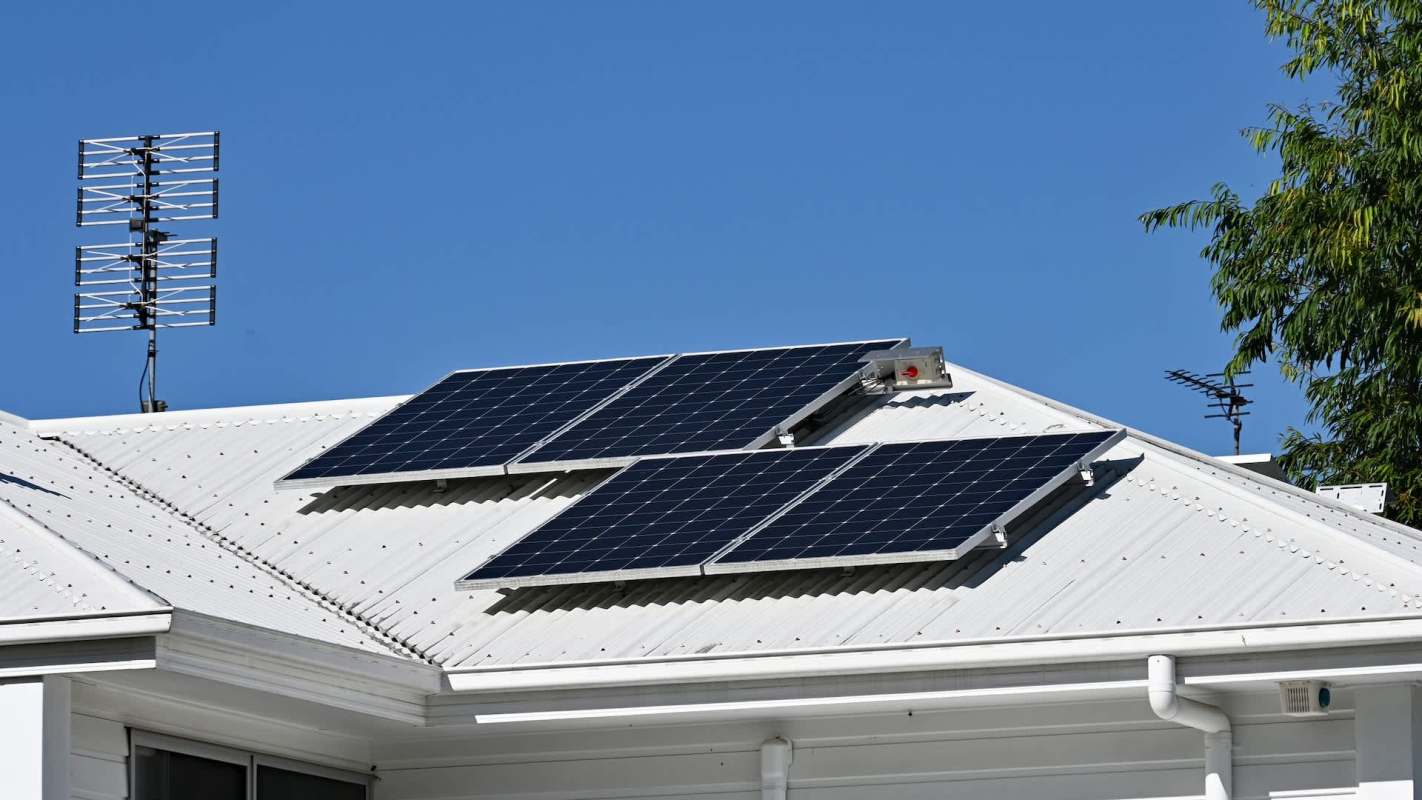
A new Enphase customer said a long-awaited solar-and-battery installation was already delivering in key ways, though two frustrations were dulling some of the excitement, including battery prices the homeowner described as "absurd."
That tension is a familiar one for many buyers trying to decide between premium clean energy systems and lower-cost alternatives.
Here's what to know
Writing in a Reddit thread, the customer said the system included 25 IQ8HC microinverters, a System Controller 3, a load controller, and one 5P battery.
The homeowner said they were "really enjoying the system" and spoke positively about both the software and the equipment design. But they also said a zero export profile should be available in the homeowner app, arguing that without it, the system cannot be used beyond limited testing until the utility grants permission to operate, or PTO.
They also objected to the cost of storage, writing, "I can buy 20 kWh for about $12k USD, or I can spend the same $12k and get 32 kWh of EG4 (including inverter), and install it inline between my system controller and my main panel." The poster also said their installer "forgot to commission my load controller — after they told me they already commissioned it."
For homeowners comparing options, it may be worth exploring EnergySage for information about home battery storage choices, including competitive installation estimates. EnergySage has also teamed up with the electrification brand Qmerit to ensure you get the best price on home battery storage solutions.
Another option is Pila, which offers excellent battery backup choices. Its plug-and-play batteries are priced at a fraction of what a whole-home backup system would cost.
More background
Other commenters challenged the homeowner's position, particularly on what is allowed before PTO is issued.
Save $10,000 on solar panels without even sharing your phone number Want to go solar but not sure who to trust? EnergySage has your back with free and transparent quotes from fully vetted providers in your area. To get started, just answer a few questions about your home — no phone number required. Within a day or two, EnergySage will email you the best options for your needs, and their expert advisers can help you compare quotes and pick a winner. Solar panels can save you more than $50k over their 25-year lifespan, and EnergySage can help you save as much as $10k on installation. Which begs the question — isn't that worth an email or two? |

One commenter wrote, "You cannot legally turn it on without PTO. That's the entire point of the term PTO (Permission to operate)."
Another added, "PTO is permission to Operate, not permission to export."
Another user noted that zero export modes are not perfectly literal. Because system controls do not react instantly, they said, a sudden change in household demand can still result in brief exports to the grid.
The exchange highlighted a familiar trade-off in home energy: integrated platforms can offer convenience, but that often comes with higher pricing.
Homeowners are increasingly adding batteries not only for blackout protection but also to get more value from rooftop solar. Adding battery storage is one of the best ways to protect a home during outages. It can also help households save money on energy by storing solar power for use later in the day and, in some cases, support partial or full off-grid living.
What can be done?
Storage systems can differ in more than sticker price alone. Capacity, warranty support, software controls, installer quality, and compatibility with future upgrades — such as EV charging or expanded backup — can all shape overall value.
The exact handoff configuration also matters, especially for features such as load control or zero export operation.
Here, commenters suggested two possible paths to more control: taking Enphase training courses to obtain self-install access, or contacting support to have zero export enabled temporarily.
Better transparency on battery pricing and more homeowner-facing controls could make premium systems feel more worthwhile. As the original poster put it: "Again — I'm a fan of the product, just not the exorbitant pricing."

Get TCD's free newsletters for easy tips, smart advice, and a chance to earn $5,000 toward home upgrades. To see more stories like this one, change your Google preferences here.






