


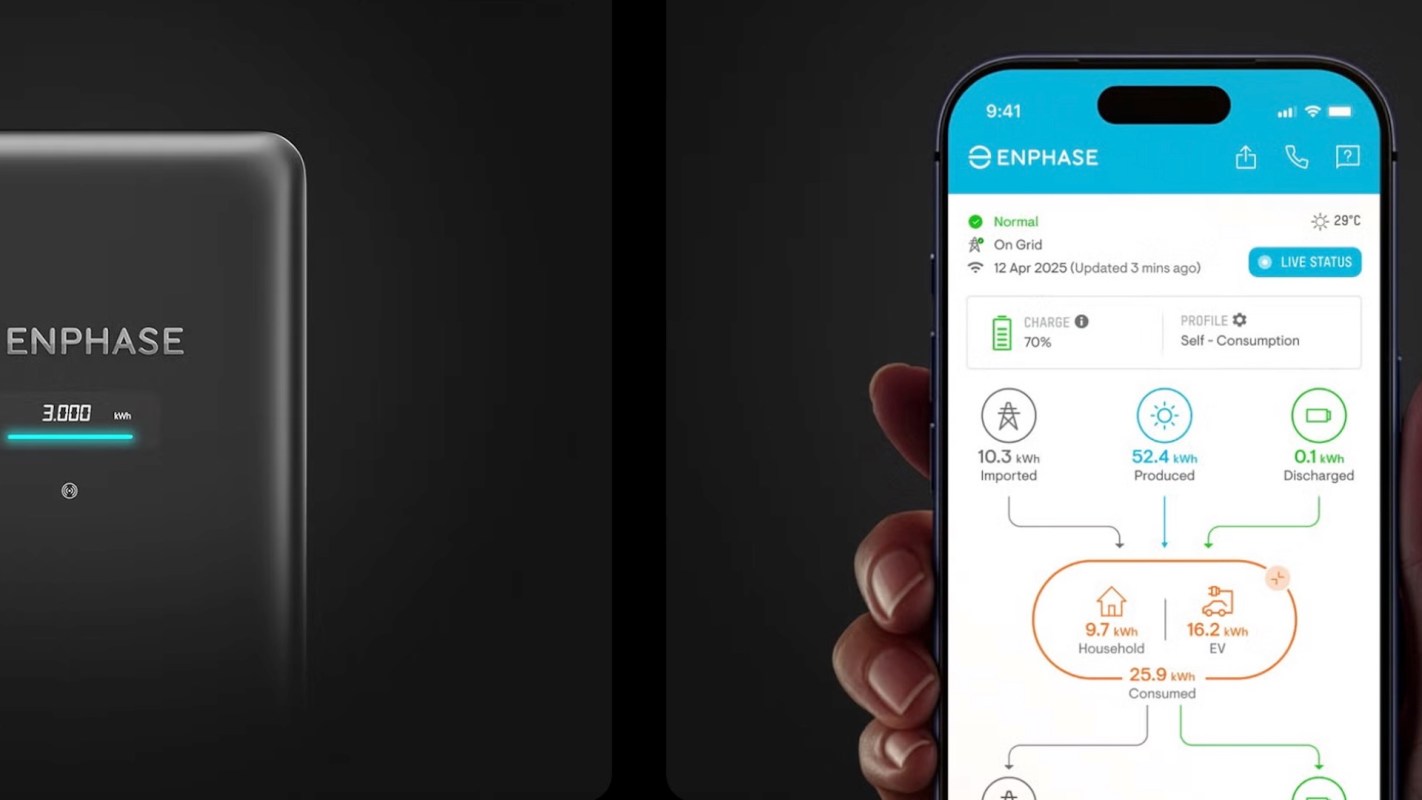
A homeowner trying to keep tabs on an Enphase EV charger noticed something alarming. The app appeared to show a 0.5-kilowatt discharge every 15 minutes even when no car was plugged in, as they showed on the r/enphase subreddit.
That kind of phantom drain would worry anyone counting on home energy equipment to lower bills, stretch stored power, and work reliably during outages.
Here's what to know
The report appeared in a post on Reddit about an IQ EV Charger 9066, where the user wrote that "every 15 mins - EV Charger is discharging .5Kw even though car is not plugged in."
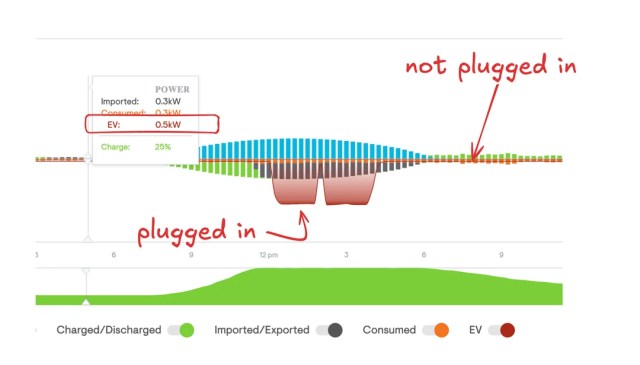
They asked Enphase support what might be causing it. Another commenter suggested comparing the app reading with another source.
"Do you have a way to measure e.g. with a current clamp or on the car dashboard itself what the charging power is?" they asked.
Enphase's support account also got involved and asked for some information from the original poster to get to the bottom of the issue.
Complications aside, adding battery storage is one of the best ways to protect your home during outages, save money on energy, and go off-grid. If you're comparing options, it may be worth exploring EnergySage for information about home battery storage choices, including competitive installation estimates.
More background
The thread was updated to say the charger was not actually draining power.
Crushed by your bills? See instant solar savings from vetted installers in just a few clicks With energy prices through the roof, there's never been a better time to go solar — and EasyHome can help you find the best prices from the best installers in your area. EasyHome takes the guesswork and headaches out of energy upgrades by showing you estimated savings from a network of vetted local partners. To get started, just enter your ZIP and share a few details about your home — seeing your estimate is really that easy. |

"UPDATE: Enphase support reached out and reassured me that this is simply a UI bug," the original poster revealed. They also noted that the app had a path to confirm real usage from the system.
A display or software bug can still be frustrating, but it is very different from a charger actually pulling power every 15 minutes. For households with EVs, solar, or battery systems, bad data can cause unnecessary panic and make it harder to understand real energy use.
Many drivers switch to EV charging at home because electricity is often cheaper than gasoline, especially when paired with off-peak rates or solar power. If the monitoring app appears inaccurate, consumers may second-guess whether their setup is really delivering the savings they expected.
Battery storage can further improve that equation by helping homeowners keep more of their own electricity available when the grid goes down or rates spike. Accurate monitoring is especially valuable because people use these dashboards to decide when to charge a car, when to rely on stored power, and how to avoid waste.
What can be done?
To verify actual charging activity, Enphase directed the user to "Menu>System>EV Session History."
In this case, the public support reply and follow-up gave the owner a clearer explanation and a more reliable place to check usage.
For consumers interested in battery backup, EnergySage has teamed up with the electrification brand Qmerit to guarantee you get the best price on home battery storage solutions.
Pila offers another backup option with plug-and-play batteries priced at a fraction of what a whole-home backup system would cost.
Where can I learn more?
Questions about charger behavior usually come up alongside bigger decisions about solar, batteries, and home charging. These stories show how homeowners sort through equipment choices, make sense of confusing energy readouts, and try to avoid expensive missteps.
• A homeowner added an EV charger and said the solar setup worked fine.
• Home energy experts warn the biggest mistakes EV owners make at charger installation can be expensive.
• Solar panel owners say full-home battery backups can make outages so seamless they barely notice.
• A Tesla solar customer received a strange energy bill that left the homeowner asking questions.
Home energy data can quickly turn into bigger questions about cost, reliability, and system design. That broader context helps explain why a charger dashboard bug can feel like a much bigger deal.

Get TCD's free newsletters for easy tips, smart advice, and a chance to earn $5,000 toward home upgrades. To see more stories like this one, change your Google preferences here.






